Trump’s Iran Deal Sparks Outrage: A Diplomatic Humiliation?
Reports suggest Donald Trump agreed to Iran's 10-point peace framework, sparking celebrations in Tehran and outrage in some U.S. circles. Critics call it a diplomatic surrender, while supporters defend it as a workable basis for negotiation. The deal's implications for regional stability and U.S. global standing are profound.

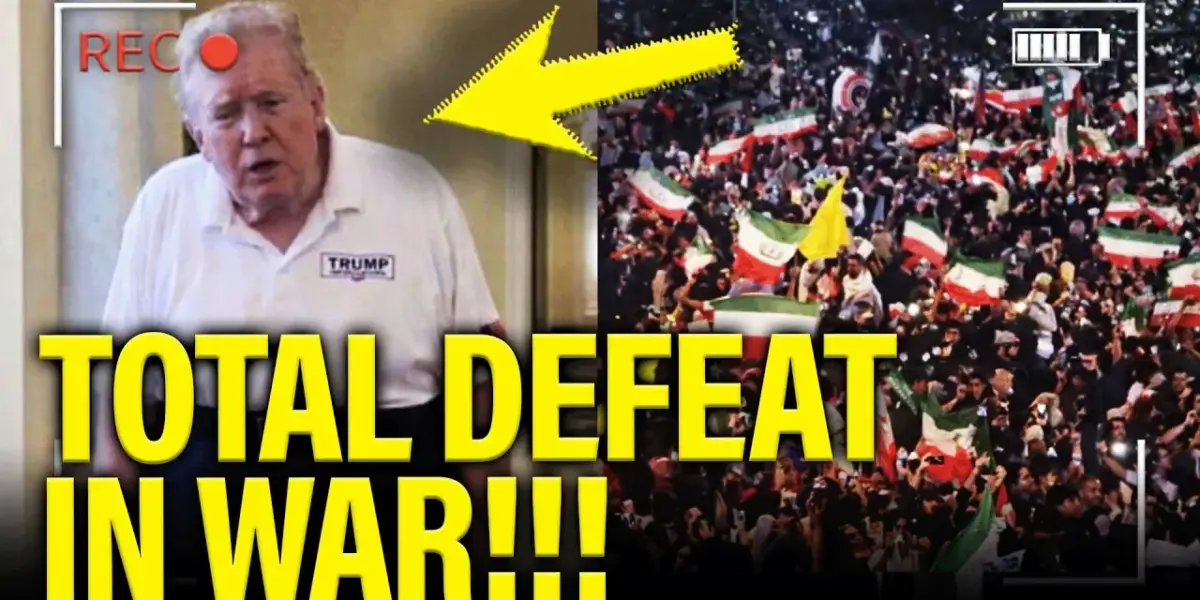
Trump’s Iran Deal Sparks Outrage: A Diplomatic Humiliation?
Reports suggest that former President Donald Trump has agreed to a 10-point negotiating framework proposed by Iran, a move that has drawn sharp criticism and celebrations alike. This agreement, if accurate, represents a significant shift in U.S. foreign policy and has led to widespread debate about its implications for regional stability and American standing in the world.
Iran’s 10-Point Plan: The Core of the Controversy
The central issue revolves around Iran’s 10-point proposal, which contrasts sharply with an earlier 15-point U.S. framework reportedly seeking Iran’s surrender. According to the transcript, Iran’s plan includes points such as a commitment to non-aggression, Iran’s continued control over the Strait of Hormuz with potential fees for passage, acceptance of Iran’s uranium enrichment, and the lifting of all U.S. and U.N. sanctions.
Further demands allegedly accepted by the Trump administration include the termination of all UN Security Council and Board of Governors resolutions against Iran. Additionally, the framework reportedly calls for compensation to Iran for war damages and the withdrawal of U.S. combat forces from the region. It also includes a cessation of hostilities on all fronts, which would extend to groups like Hezbollah in Lebanon.
Celebration in Iran, Outrage in Some U.S. Circles
The narrative presented is that the people of Iran are celebrating what they perceive as a total victory. Images and reports describe street parties and parades across the Middle East, particularly among Shiite communities, hailing the outcome as a defeat for the United States. From this perspective, Iran has achieved its objectives, securing concessions that significantly bolster its regional influence.
However, the reaction within some U.S. political circles has been one of shock and anger. Critics argue that accepting Iran’s terms amounts to a capitulation, undermining decades of U.S. foreign policy and security interests. The agreement is seen by some as validating Iran’s actions and empowering its proxies, potentially destabilizing the region further.
Trump’s Response and Media Accusations
Donald Trump has publicly denounced reports detailing his acceptance of Iran’s 10-point framework. He has labeled such claims as fraudulent and linked to fake news, specifically targeting CNN for publishing what he called a false statement. Trump stated that an official statement from Iran was released and posted on Truth Social, and his administration, through FCC chair Brendan Carr, threatened action against CNN for its reporting.
This response highlights a deep division in how the events are being interpreted and reported. While some see Trump’s actions as a strategic diplomatic success, others view them as a sign of weakness that has emboldened adversaries and alienated allies.
Historical Context and Regional Power Dynamics
The current situation can be viewed within the broader context of U.S.-Iran relations, which have been fraught with tension for decades. The Strait of Hormuz is a critical chokepoint for global oil supplies, and Iran’s control over it has been a significant factor in regional security calculations. Previous U.S. administrations have sought to limit Iran’s nuclear program and its regional influence.
The alleged deal comes at a time when the Middle East is already a complex geopolitical chessboard. Allies such as Israel, Saudi Arabia, and the UAE have expressed concerns about Iran’s growing power. Reports suggest these nations are deeply unsettled by the perceived shift in U.S. policy and fear that Iran, with support from Russia and China, is emerging as the dominant force in the region.
Implications and Future Outlook
The implications of this alleged agreement are far-reaching. If Iran gains greater control over the Strait of Hormuz and sees sanctions lifted, it could significantly alter the global energy market and geopolitical balance. The potential for Iran to continue its uranium enrichment program also raises concerns about nuclear proliferation.
Furthermore, the reaction from regional players like Israel and Saudi Arabia suggests a potential for increased instability. If these allies feel abandoned or threatened by a stronger Iran, they may take independent actions, further complicating the security landscape. The transcript suggests that disagreements over the scope of the ceasefire, particularly regarding Lebanon and Hezbollah, have already emerged, indicating potential cracks in the fragile agreement.
The future outlook remains uncertain. The validity and long-term consequences of this reported deal will likely depend on the specifics of any finalized agreement, the reactions of international bodies, and the responses of key regional actors. The narrative presented suggests a potential for the ceasefire to collapse, leading to a renewed escalation of conflict, with significant economic and human costs.
Why This Matters
This situation is crucial because it speaks to the shifting dynamics of global power and the effectiveness of U.S. foreign policy. The reported concessions to Iran, if true, could signal a major reversal of U.S. strategy, potentially empowering a nation often seen as a destabilizing force in the Middle East. It raises fundamental questions about America’s role as a global leader, its commitment to its allies, and its ability to manage complex international conflicts. The economic repercussions, from oil prices to global markets, and the human cost of continued or renewed conflict, make this a critical issue for global stability.
Source: Trump PANICS as he SUFFERS TOTAL DEFEAT in WAR!!! (YouTube)

Related Articles
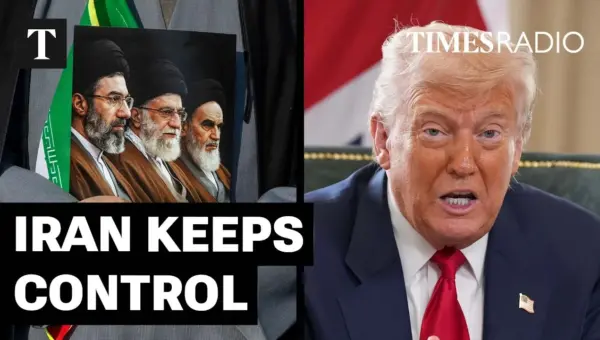
Iran’s Hormuz Toll Likely to Stay After Conflict
A recent ceasefire has brought relief, but Iran's control over the vital Strait of Hormuz and potential for continued tolls remain significant concerns. Experts suggest that compromise will be key to a lasting peace, while oil markets grapple with ongoing supply disruptions despite the recent price drop.

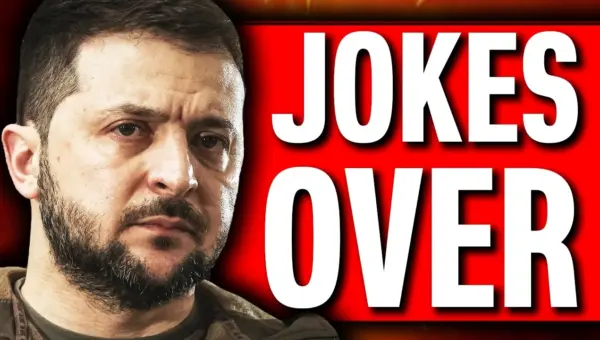
Ukraine Strikes Russian Oil, Shifts War Dynamics
Ukraine's long-range drone strikes are disrupting Russian oil infrastructure, including a major refinery shutdown. Former CIA Director David Petraeus notes Ukraine is shifting the war's dynamics, potentially taking the "upper hand" through technological innovation despite Russia's manpower advantage. This escalation coincides with Ukraine's ceasefire proposal and a critical bottleneck in its own drone engine production.
US Eyes Iran’s Oil: A Risky Ground Game
Discussing the idea of the U.S. taking Iran's oil, this analysis breaks down the geographic and political challenges. Iran's energy resources are concentrated in two key areas, each presenting unique difficulties for occupation. The potential for a humanitarian crisis and the lessons learned from past interventions in Iraq highlight the risks involved.