Trump Halts Iran Attack, Agrees to Two-Week Ceasefire
President Trump has agreed to a two-week ceasefire with Iran, halting a threatened attack just before it was set to occur. The deal, brokered by Pakistan, requires Iran to reopen the Strait of Hormuz. While averting immediate escalation, the long-term implications and the success of upcoming negotiations remain uncertain.

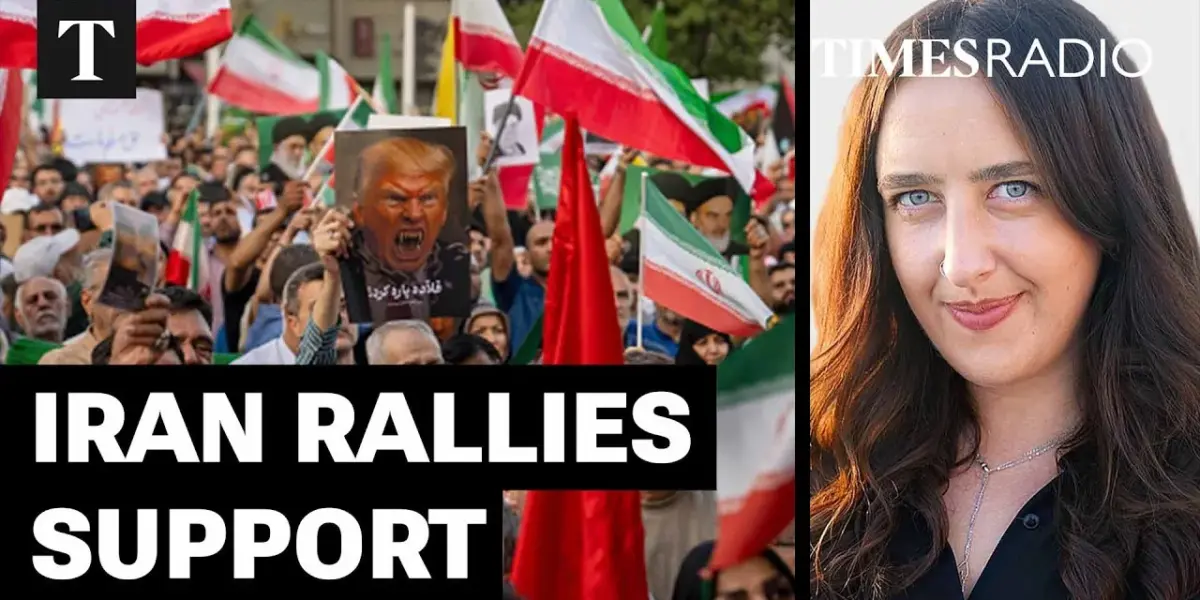
Trump Halts Iran Attack, Agrees to Two-Week Ceasefire
President Donald Trump announced a sudden agreement to a two-week ceasefire with Iran, halting a threatened massive attack just 90 minutes before it was set to begin. The deal, brokered with the help of Pakistan’s Prime Minister Shabbaz Sharif and Field Marshall Asim Muneer, hinges on Iran reopening the Strait of Hormuz, which had been blockaded, causing global oil prices to surge.
Deal Details and Conditions
Trump stated on his Truth Social account that the US had met and exceeded its military objectives and was close to a long-term peace agreement. He revealed that Iran had submitted a 10-point proposal, which formed a workable basis for negotiation, with most past points of contention already agreed upon. The two-week period is intended to finalize this agreement.
Iran has agreed to the ceasefire, provided that attacks from the US and Israel cease. Iran’s Foreign Minister, Abbas Arachi, confirmed that the Strait of Hormuz would be opened for two weeks under specific coordination with Iran’s armed forces and considering technical limits. A regional official involved in the talks indicated that the deal might allow both Iran and Oman to charge fees for ships passing through the Strait, a condition likely to be controversial in future permanent peace talks.
Regional Reactions and Unanswered Questions
Following the announcement, sirens were heard across the Middle East as reports emerged of Iran striking Gulf states and Israel. However, US officials confirmed that American military operations had halted. Negotiations between the US and Iran are expected to begin in person on Friday in Islamabad, according to Iran’s Supreme National Security Council.
Initial reports suggested the ceasefire extended to Lebanon, where Israel had been engaged in heavy fighting. This was based on comments from the Pakistani Prime Minister. Israel, however, has denied that Lebanon is part of this ceasefire agreement. The situation in Lebanon remains a point of contention, with Israel stating that the ceasefire does not apply there due to the direct threat to its northern border residents, who have been living in bomb shelters for weeks.
Military Successes and Lingering Doubts
Gabrielle Weiniger, The Times’ correspondent in Tel Aviv, noted that while the US military operationally succeeded in assassinating Iranian leaders and damaging its missile program, significant issues arose. The closure of the Strait of Hormuz and the strong, precise retaliation from Iran after weeks of conflict demonstrated Iran’s capabilities as a formidable adversary. Weiniger pointed out that the promised regime change in Iran has not materialized, and the current regime may even be hardened by the IRGC.
Both the US and Iran can claim a form of victory from the eleventh-hour deal, which effectively buys time. The two-week pause has provided a much-needed de-escalation, averting a scenario that could have led to widespread civilian casualties and plunging the region into darkness. The relief is palpable, especially in Israel, where citizens can now celebrate festivals without the immediate threat of attacks.
Broader Implications and Future Outlook
Despite the temporary reprieve, not everyone feels the job is done. Those in Israel and the Gulf states seeking regime change in Iran remain unsatisfied. In Iran itself, the prolonged delay in burying the Supreme Leader, Ali Khamenei, 40 days after his death, is significant in Shia tradition. This period marks the end of mourning, and his funeral could be used by Iran as a major public display of strength and a victory parade, reinforcing that the regime remains in charge.
The immediate future holds crucial negotiations. The success of these talks in achieving a lasting peace in the Middle East remains uncertain. While a major escalation has been avoided for now, the underlying tensions and conflicting objectives suggest that the path to permanent peace will be challenging. The coming weeks will be critical in determining whether this ceasefire marks a genuine step towards resolution or merely a temporary pause in hostilities.
Source: Trump’s Iran Ceasefire Could Rally The Regime To Prove They're Still In Charge | Gabrielle Weiniger (YouTube)

Related Articles

Iran Conflict: US Underestimated Iran, Humbled by Strait of Hormuz
Experts are calling the recent Iran conflict America's 'Suez Moment,' suggesting the U.S. has been humbled despite military actions. A ceasefire has been brokered, but Iran's terms for reopening the Strait of Hormuz, including charging tolls, present significant challenges for future negotiations.

Trump’s Nuclear Rhetoric Sparks Global Outcry, Expert Warns
Malcolm Nance, a former U.S. Navy intelligence officer, has voiced alarm over former President Donald Trump's "blithe attitude" towards nuclear weapons and his threats against Iran. Nance argues this rhetoric is unprecedented and dangerous, drawing condemnation from global leaders and sparking calls for constitutional measures.

Troops Could Block Trump’s Iran Orders, Experts Warn
Experts suggest U.S. troops might legally refuse orders from a future President Trump concerning Iran, potentially creating a military dilemma. This would signal a serious breakdown between civilian and military leadership, as military advice and adherence to international law are critical.