Small Business Confidence Surges Amid Tax Cuts
Small business confidence is soaring, reaching levels near 100 on the NFIB index, driven by significant tax cuts. These policies have returned billions to taxpayers and are credited with fostering a record number of small businesses.

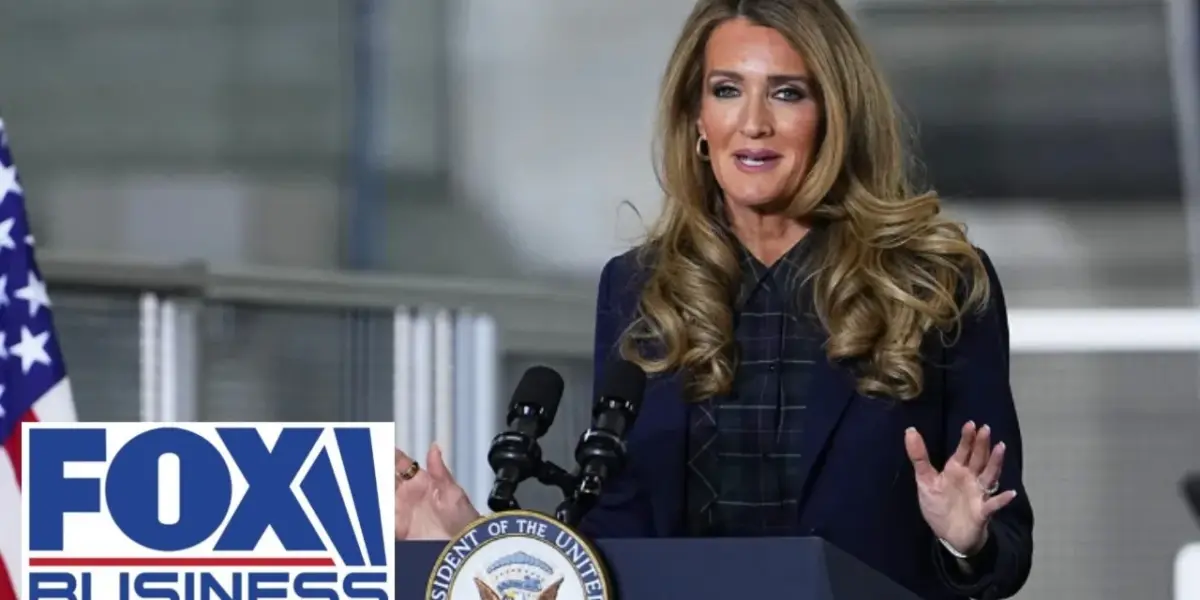
Small Business Confidence Surges Amid Tax Cuts, Reaching Record Highs
Small business confidence is climbing, showing surprising strength despite economic headwinds. The National Federation of Independent Business (NFIB) Small Business Confidence Index, a key measure of how business owners feel about the economy, has held steady near the 100 mark. This level is consistent with readings from February of this year and last year, indicating a stable, positive outlook.
This resilience is particularly noteworthy when compared to earlier periods. For instance, the index stood at 89 in February 2024. The current strength suggests that despite widespread concerns about economic issues, business owners are feeling more optimistic than might be expected. This improved sentiment is largely attributed to the economic policies enacted, which are creating a more favorable environment for growth.
Tax Cuts Drive Small Business Returns
A significant factor boosting small business confidence is the impact of tax cuts. The Working Families Tax Cuts have already returned an estimated $220 billion to taxpayers. For small businesses, this translates to an average of about $7,000 back. This pro-growth economic agenda is seen as a major driver of prosperity for working families and business owners alike.
These tax changes include several key benefits. For example, 25% of tax filers, totaling 20 million people, now enjoy no tax on their overtime pay. Additionally, 5 million filers benefit from no tax on their tips. Millions of seniors are also seeing relief, with no tax levied on their Social Security benefits. These measures are creating what is described as an economic boom, directly benefiting millions of Americans.
Record Number of Small Businesses Emerge
The current economic climate, fueled by tax cuts and deregulation, has led to a record number of small businesses. There are now an estimated 36 million small businesses operating across the country. This surge in business creation is a direct result of the supportive economic policies in place, including fair trade practices and a focus on energy independence.
The economic agenda is credited with strengthening the economy, making it the most robust seen in over four years. This contrasts with the voting records of Democrats, who are noted as having voted for tax increases on Americans. The current administration and congressional Republicans are highlighted for delivering tax relief and fostering business growth.
Offsetting Price Hikes and Economic Impact
While acknowledging that global conflicts can lead to temporary cost increases, the impact of tax refunds is expected to be significant. The tax cuts are seen as a substantial offset to rising prices, potentially covering one to two months of increased expenses. This suggests that the overall damage to the economy from these temporary cost pressures may be minimal.
The refunds represent real tax cuts, delivered through a comprehensive legislative package. The belief is that these measures will help cushion the economic impact of external factors, allowing small businesses and consumers to maintain their spending and investment levels. This stability is crucial for continued economic expansion.
Political Divide on Economic Policies
The discussion also touches on the political landscape, suggesting a significant divide in economic policy views. It is argued that Democratic opposition to these tax cuts means they voted against measures that would have raised $5 trillion in taxes. This stance is characterized as a defeatist approach to supporting American taxpayers and job creators.
Every time an American taxpayer receives a refund check, the argument goes, they should remember that Democrats voted against them getting that money. Similarly, every job created by a small business owner was opposed by House and Senate Democrats. This framing highlights a clear contrast between the parties on economic issues and tax policy.
What Investors Should Know
The sustained high levels of small business confidence, coupled with significant tax refunds, paint a picture of an economy that is proving resilient. Investors might see this as a positive indicator for consumer spending and business investment, key drivers of economic growth.
The emphasis on tax cuts and deregulation suggests a policy environment focused on stimulating business activity. While temporary cost pressures from global events exist, the expectation is that these are being offset by domestic policy measures. This could translate into continued stability and potential growth for sectors heavily reliant on small business activity and consumer demand.
The political rhetoric also underscores the differing approaches to economic policy. Investors should be aware of how these policy differences could shape future economic conditions and market performance. The focus on job creation and business expansion through tax relief is a key theme to monitor.
Source: SBA’s Loeffler: This is an economic boom in the making (YouTube)

Related Articles


Small Business Rises From Disaster’s Wake
After a devastating hurricane flooded his factory, sneaker founder Justin James nearly lost everything. But a remarkable show of support from dozens of rival shoemakers, raising $100,000, gave him the strength to rebuild. The story highlights community resilience and the vital role of small businesses in disaster recovery.
US Energy Dominance Fuels Economy, Outpaces Europe
The U.S. is solidifying its position as an energy superpower, with record oil and gas production driving economic growth and offering a significant advantage over Europe. This dominance stems from technological innovation and favorable domestic pricing.
Russia Cuts Rates Amid Inflation Fears
Russia's central bank cut its key interest rate to 15%, prioritizing economic growth over fighting high inflation. This move comes as inflation remains 50% above the bank's target and growth slows significantly. The decision is seen as risky, potentially fueling further price increases and weakening the ruble.