Iran’s Power Play: Regime Stays Strong Amidst Ceasefire Talks
A recent two-week ceasefire agreement between the U.S. and Iran masks deep internal tensions within Iran's leadership. While the U.S. sees a victory, experts point to the regime's continued hardline stance and its control over crucial resources like enriched uranium. The public's desire for real change clashes with the government's focus on survival.

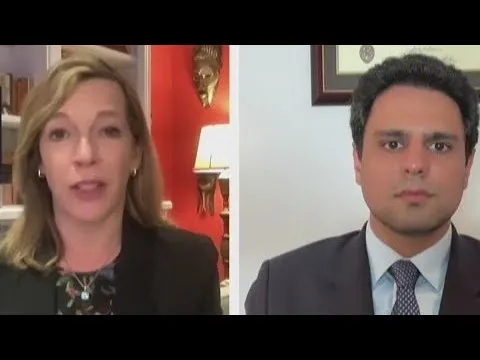
Iran’s Internal Power Struggle Shapes Ceasefire Deal
A recent two-week ceasefire, announced by President Trump, has sparked intense debate about Iran’s true intentions and the stability of the deal. While the United States and Israel view this as a potential victory, experts suggest the situation is far more complex. The core issue is whether this ceasefire truly represents a shift in Iran’s power structure or a temporary pause by a regime that remains firmly in control.
Hardliners vs. Diplomats: A Long-Standing Tension
Inside Iran, there’s a historical tug-of-war between diplomats and the powerful security forces, particularly the Islamic Revolutionary Guard Corps (IRGC). Sources suggest that the foreign ministry’s side, weary of conflict, has gained influence. However, hardliners, backed by the Supreme Leader, still push for continued resistance. This internal dynamic significantly impacts how any deal is perceived and implemented.
Regime Unity Masks Internal Disagreements
Andrew Khalil, a former policy director for the National Union for Democracy in Iran, emphasizes that the Iranian regime is fundamentally hardline. Any figures presented as reformers are still part of the same system. Their shared opposition, including slogans like “Death to America,” highlights a united front. This unity is crucial for the regime’s survival, especially when facing internal dissent.
Internet Blackouts Hide Public Mood
The Iranian government’s month-long internet blackout is a key indicator. Usually, regimes want the world to see public support during crises. By cutting off access, Tehran signals it doesn’t want outsiders to witness the reality on the ground. This suggests the public might not be rallying behind the flag as some claim. Instead, many Iranians fear the regime will survive and continue its crackdown on any uprisings.
Public Expectations Differ from Ceasefire Deal
While some Iranians may have been aware of threats to infrastructure like power and water, their hopes go beyond a simple ceasefire. They expected the U.S. and Israel to target the regime’s oppressive capabilities more directly. President Trump’s statement about helping Iran was interpreted as a call for actions that weaken the ruling system, not just a temporary halt to fighting.
Nuclear Concerns Remain Central
A major sticking point in any negotiation is Iran’s enriched uranium stockpile. Even if it takes time to build a bomb, having this material in Iran is seen as extremely dangerous. The goal is to prevent a nuclear-armed Iran. Achieving this likely requires UN inspectors to return and securing the material, possibly by removing it from Iran. However, Iran created leverage by closing the Strait of Hormuz, a vital global shipping route. Giving up this power will be a key negotiation point.
Regional Players Seek Stability
Neighboring countries like the UAE and Oman have a vested interest in the Strait of Hormuz. They are actively involved in behind-the-scenes talks, pressuring Iran to reach a deal. This regional diplomacy could force Iran to compromise on key issues, including its nuclear program and control over vital waterways.
Ceasefire Raises More Questions Than Answers
Despite White House claims of a win for President Trump, the situation remains highly uncertain. Reports of early warnings in Saudi Arabia and sirens in Israel indicate that missile launches may continue. The critical questions remain: Who stops attacking first? When will the Strait of Hormuz reopen? The current two-week ceasefire, while a pause, does not resolve the deep-seated issues driving the conflict.
Historical Context: The Nuclear Deal Debate
This situation echoes past debates, like the 2015 Iran nuclear deal. Critics warned then that any agreement leaving enriched uranium in Iran would be problematic. This concern remains relevant today. Providing sanctions relief without dismantling Iran’s nuclear infrastructure could pave the way for a nuclear-capable Iran, similar to North Korea’s path.
Future Scenarios: A Fragile Pause?
Several futures are possible. The ceasefire could hold, leading to further negotiations and potentially a new, albeit imperfect, deal. Alternatively, the internal divisions within Iran could re-emerge, leading to a collapse of the ceasefire and renewed hostilities. The international community, including regional powers, will play a crucial role in shaping which scenario unfolds.
Global Impact: Shifting Power Dynamics
This ongoing standoff highlights the complex geopolitical web surrounding Iran. Control over energy routes like the Strait of Hormuz, the threat of nuclear proliferation, and internal regime stability are all interconnected. The world watches to see if the current negotiations will lead to lasting de-escalation or merely a temporary reprieve in a long-standing regional struggle.
The regime’s survival is the top priority, and any deal must be viewed through that lens. Public expectations for fundamental change clash with the reality of a hardline government seeking to maintain its grip on power.
Source: How are Iranians reacting to ceasefire deal from US, Israel? | Elizabeth Vargas Reports (YouTube)

Related Articles


Iran’s People Gain Chance to Reclaim Nation
A recent de-escalation between the US and Iran offers a chance for the Iranian people to reclaim their country. An activist highlights the regime's oppression and the US political divide, arguing for supporting internal change. The long-term economic and geopolitical implications, especially regarding oil prices and nuclear capabilities, remain significant.

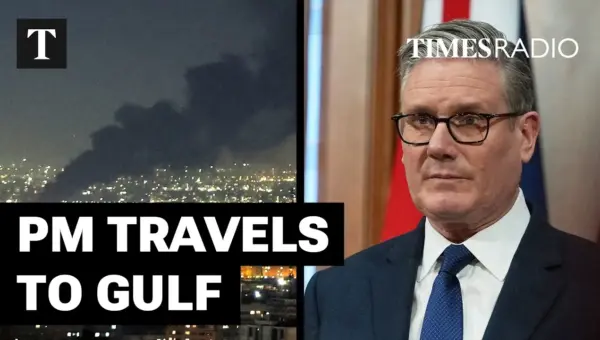
PM Heads to Gulf Amid Ceasefire Hopes and Strait of Hormuz Concerns
The UK Prime Minister is traveling to the Gulf region following a newly announced two-week ceasefire, aiming to secure a lasting agreement and observe defensive operations. Concerns remain over the details of the ceasefire and the critical Strait of Hormuz, a vital global shipping lane. The visit underscores the UK's commitment to regional stability and international trade.

US Divided on Iran Strategy Amid Regional Tensions
A deep rift in U.S. Congress over Iran policy is evident, with Republicans and Democrats clashing on the effectiveness of military actions and the strategy to curb Iran's nuclear ambitions. This division impacts regional stability and U.S. global standing.