Iran Deal Offers Trump War Exit Amid Political Fallout
A new Iran deal offers President Trump an exit from potential conflict, sparking debate over its origins and implications. Supporters hail it as a diplomatic win, while critics argue it ignores Iran's history of aggression and risks emboldening the regime. The political fallout within the US is significant, regardless of the deal's ultimate success.

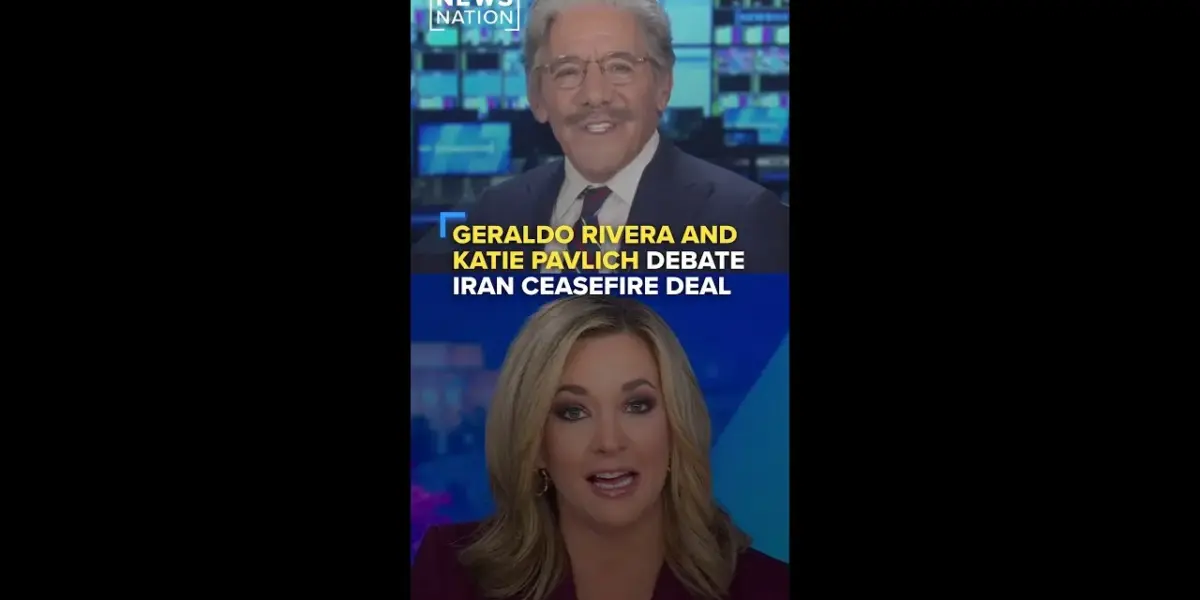
Iran Deal Offers Trump War Exit Amid Political Fallout
A recent agreement, perceived as an exit ramp for President Trump from potential conflict, has sparked intense debate about its origins and future implications. This deal, which aims to de-escalate tensions, comes at a critical juncture, highlighting deep divisions within American politics regarding foreign policy and the use of military force.
Motivations and Political Maneuvering
Supporters of the deal, like Geraldo Rivera, view the agreement as a crucial step away from what they describe as a “stupid and unnecessary war.” Rivera suggests that President Trump actively sought this off-ramp, indicating a desire to avoid further military engagement. The focus, he implies, should be on how the conflict began, questioning the influence of Israeli Prime Minister Benjamin Netanyahu’s promises on Trump’s decisions.
Conversely, critics, including Senator JD Vance, have strongly opposed what they label as “warmongering.” Vance’s political stance against escalation is seen by some as a strategic move that could prove beneficial. His forceful resistance to military action resonates with a segment of the electorate concerned about foreign entanglements and costly conflicts.
The debate highlights a core disagreement: whether the current situation is a manufactured crisis or a necessary response to Iranian aggression. While some see the deal as a diplomatic triumph, others argue it ignores decades of Iranian actions against American interests. This includes Iran’s alleged role in conflicts and its history of breaking agreements, which some believe are overlooked in the pursuit of de-escalation.
Historical Context and Iranian Actions
The discussion implicitly references a long-standing adversarial relationship between the United States and Iran. This relationship has seen numerous flashpoints and diplomatic standoffs over the past four decades. The current situation is viewed by some as a continuation of this pattern, with Iran allegedly continuing its aggressive stance despite attempts at negotiation.
Specific actions mentioned, such as Iran breaking a ceasefire and sending cluster bombs, underscore the concerns of those who believe Iran cannot be trusted to uphold agreements. This perspective frames Iran as a persistent aggressor, whose actions warrant a firm response rather than concessions. The argument is that Iran has been “waging a war on Americans for 47 years,” suggesting a deep-seated animosity that a simple ceasefire might not resolve.
Economic and Strategic Considerations
While the transcript does not detail specific economic figures or sanctions, the mention of “cluster bombs” and “breaking the ceasefire” points to the potential economic and strategic leverage involved. The ability to supply advanced weaponry, like cluster bombs, suggests Iran’s capacity to sustain conflict, impacting regional stability and international trade routes. The threat of escalation, and the economic costs associated with it, often plays a significant role in diplomatic negotiations.
The underlying tension revolves around control of resources, influence in the Middle East, and the broader geopolitical balance of power. Any deal or escalation carries economic consequences, affecting energy markets, international investment, and the financial stability of involved nations. The debate over the Iran deal is thus intertwined with complex economic considerations that extend far beyond the immediate political rhetoric.
Global Impact and Future Scenarios
The outcome of this debate and the success of the de-escalation efforts will have far-reaching consequences. A successful peace could stabilize a volatile region, potentially leading to increased trade and reduced security risks. However, if the agreement fails or is perceived as a sign of weakness, it could embolden Iran and lead to further regional instability, drawing in other global powers.
One scenario sees the current agreement holding, allowing the Trump administration to claim a foreign policy victory and avoid a costly conflict. Another, more pessimistic, scenario involves the breakdown of the deal, leading to renewed hostilities and increased international tension. The political fallout within the United States, particularly concerning JD Vance’s stance, suggests that the domestic political implications of this foreign policy decision will be significant regardless of the immediate outcome.
Ultimately, the situation underscores the complexities of international diplomacy, where perceived threats, political calculations, and historical grievances constantly shape global events. The debate over the Iran deal is a microcosm of these larger forces at play, reflecting differing views on how best to ensure national security and promote international peace.
Source: Geraldo Rivera, Katie Pavlich debate Iran ceasefire deal | Katie Pavlich Tonight (YouTube)

Related Articles

Iran Halts Attacks as US, Israel Seek Iran Deal
Iran has halted aerial attacks following a U.S. decision to suspend its own strikes for two weeks, brokered by Pakistan. While Israel supports the move, the ceasefire excludes Lebanon. The U.S. aims for a long-term peace deal and to keep the Strait of Hormuz open.
Senator Markey Demands Trump Impeachment Over Iran Threats
Senator Ed Markey of Massachusetts is calling for President Donald Trump's impeachment over his threats of war crimes against Iran. Markey described Trump as a "warmonger" whose actions are impeachable offenses. He urged the House to pass Articles of Impeachment and the Senate to convict and remove the President.
Trump’s ‘Civilization Will Die’ Threat Leaves Historic Stain
A recent statement by former President Donald Trump, threatening that "a whole civilization will die tonight," has been described as a permanent stain on American history. The article contrasts this unprecedented declaration with historical norms and explores the erosion of respect for the presidency.