Trump Halts Iran Bombing, Declares ‘Big Day for World Peace’
President Trump announced a surprising two-week ceasefire agreement with Iran, halting threatened military strikes and calling it a "big day for World Peace." However, details remain murky, with conflicting statements from Iran and Israel creating confusion about the terms and scope of the deal.

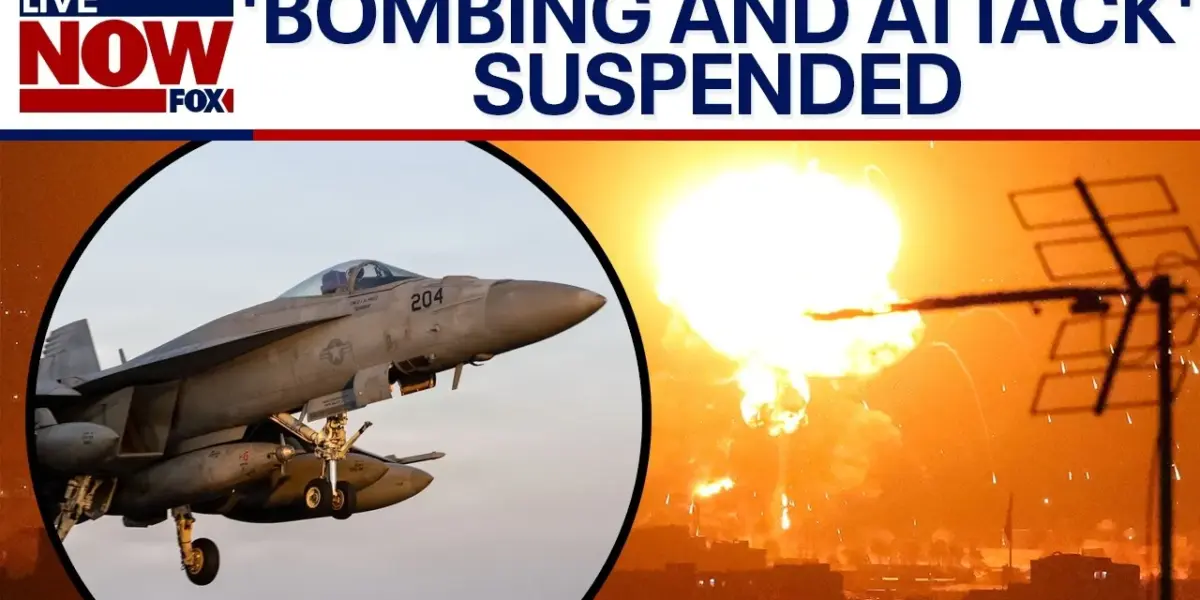
Trump Announces Ceasefire with Iran, Halts Military Strikes
In a dramatic shift of policy, President Trump announced a two-week ceasefire agreement with Iran. The announcement came just hours before a self-imposed deadline for military action against Iran. The President declared the development a “big day for World Peace” via a post on Truth Social.
Conflicting Reports Emerge on Ceasefire Details
Details surrounding the ceasefire agreement remain unclear, with conflicting statements emerging from Iran and Israel. Initially, Iran’s Foreign Minister acknowledged a ceasefire proposal put forth by Pakistan, suggesting agreement on certain parameters. However, a subsequent statement from Iran’s Supreme National Security Council outlined a more aggressive 10-point plan. This plan reportedly included Iran controlling the Strait of Hormuz, the lifting of sanctions, and reparations from the United States. These demands are seen by many as non-starters for the U.S. side.
“It is still new. It’s still somewhat confusing,” stated UCLA political scientist Benjamin Rod. “And I think one of the things to point out is we’ve seen now two statements made by the Iranian side.”
Israel’s Position Adds Complexity
Adding to the confusion, Israel’s Prime Minister issued a statement that appeared to contradict earlier reports. While supporting a suspension of U.S. strikes against Iran for two weeks, Israel’s support was conditional on Iran immediately opening the Strait of Hormuz and ceasing all attacks on the U.S., Israel, and regional allies. Notably, Israel’s statement indicated that the two-week ceasefire does not include Lebanon, where Hezbollah is active. This contrasts with Iran’s broader call for an end to all offensive attacks against its regional allies.
Concerns Over Iran’s Role in Strait of Hormuz
A significant point of contention involves reports that the ceasefire plan allows both Iran and Oman to charge fees for ships passing through the Strait of Hormuz. This concept raises concerns about Iran gaining economic power and control over a vital global waterway. Experts suggest that President Trump would likely find Iran acting as a “gatekeeper” unacceptable, as it could grant Iran leverage it did not possess before the recent escalation.
Trump’s Dramatic Social Media Posts Draw Criticism
Prior to the ceasefire announcement, President Trump posted alarming messages on Truth Social. One post read, “A whole civilization will die tonight, never to be brought back again.” He later suggested that “complete and total regime change” could lead to something “wonderfully revolutionary.” These remarks drew widespread criticism, with some lawmakers calling them inflammatory and reckless. Dr. Benjamin Rod described the posts as “beyond inflammatory, beyond reckless, and it’s, you know, an admission of an intent to commit war crimes, if not outright genocide.”
Debate Over Targeting Civilian Infrastructure
President Trump had previously threatened to target Iran’s critical infrastructure, including power plants and bridges, if the Strait of Hormuz was not reopened. Experts have warned that intentionally targeting civilian infrastructure could constitute a war crime under international law. However, distinctions are made for “dual-use” infrastructure, which is also utilized by armed forces. The consequences under international law are complex, particularly given that neither the U.S. nor Iran are parties to the Rome Statute that established the International Criminal Court.
Iranian Public Sentiment Remains Unclear
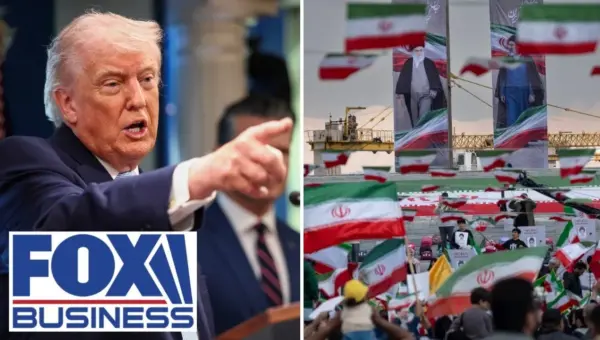
Regarding the sentiment of the Iranian people, President Trump suggested that some Iranians welcomed bombing as a means to achieve regime change. However, images of human chains formed around infrastructure targets, waving government flags, are widely seen as demonstrations by regime loyalists rather than the broader population. Many Iranians are reportedly willing to tolerate some disruption but draw a line at the destruction of infrastructure essential for survival and future rebuilding.
Looking Ahead: Will the Ceasefire Hold?
The coming days will be crucial in determining the stability of this ceasefire. The conflicting interpretations and demands from Iran, coupled with Israel’s conditional support, create a fragile situation. International observers will be watching closely to see if diplomatic channels can overcome these ambiguities and lead to a sustained period of de-escalation in the Middle East. The potential for economic gains through the Strait of Hormuz also presents a complex future dynamic.
Source: Trump to suspend bombing of Iran, ‘big day for World Peace’ (YouTube)

Related Articles
US Strikes Iran’s Kharg Island, Military Action Accelerates
The U.S. military has intensified its campaign against Iran with strikes on key targets like Kharg Island, signaling a strategy of "coercive diplomacy." Experts believe this military action, coupled with diplomatic efforts, aims to prevent Iran from acquiring nuclear weapons. The situation highlights a long-standing national security challenge with potential implications for global energy markets.


Ceasefire Sparks Hope for Crypto Market Rebound
A recent ceasefire has sparked renewed optimism in the crypto markets, prompting analysts to examine technical indicators for signs of a sustained rebound. While geopolitical calm can boost investor confidence, the long-term outlook also depends on regulatory clarity and broader adoption trends. The upcoming launch of the Commonwealth Union Blockchain Network adds another layer of interest to the evolving digital asset space.

Trump’s Iran Deal: Bold Tactics Yield Fragile Peace
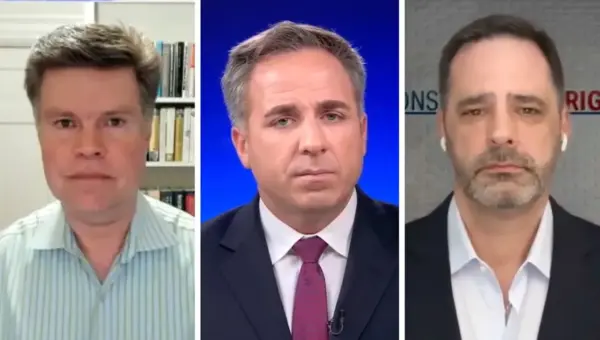
A panel discusses President Trump's Iran ceasefire deal, a special election in Georgia, the DOJ's renewed fight against fraud, and Trump's relationship with Hungarian Prime Minister Viktor Orbán. Analysts debate Trump's negotiation tactics, the implications of the Georgia race, and the U.S.'s foreign policy stance.