Trump’s Iran Deal: Bold Tactics Yield Fragile Peace
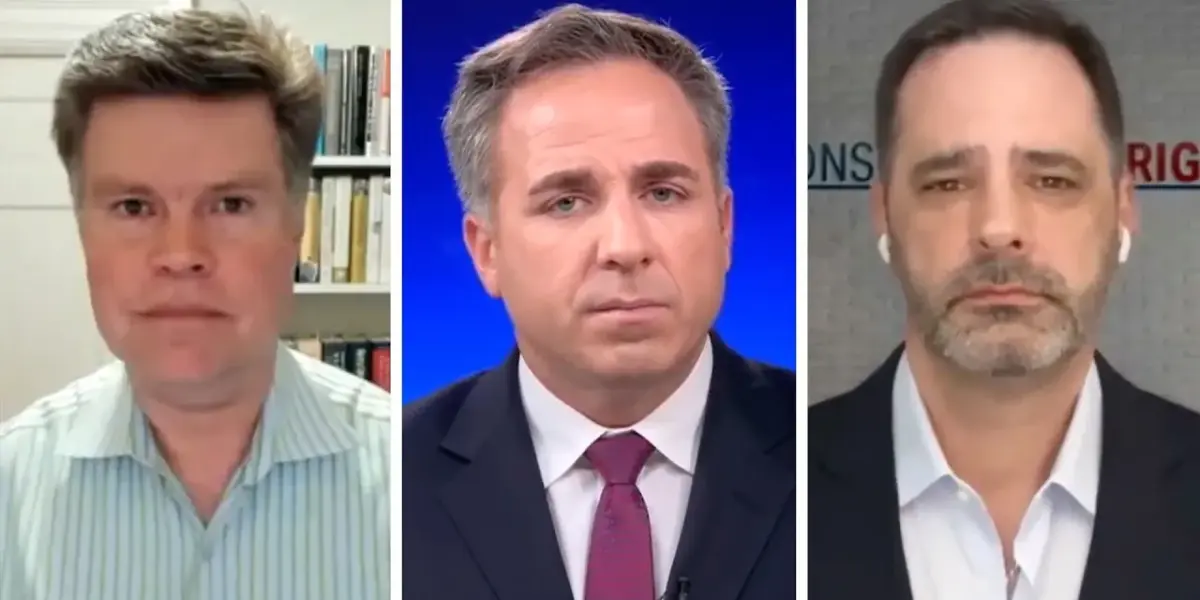
A panel discusses President Trump's Iran ceasefire deal, a special election in Georgia, the DOJ's renewed fight against fraud, and Trump's relationship with Hungarian Prime Minister Viktor Orbán. Analysts debate Trump's negotiation tactics, the implications of the Georgia race, and the U.S.'s foreign policy stance.

Trump’s Iran Deal: Bold Tactics Yield Fragile Peace
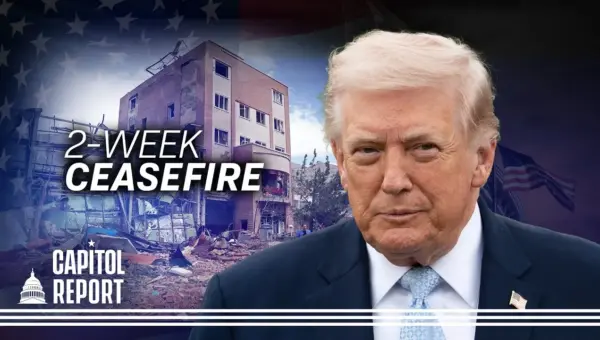
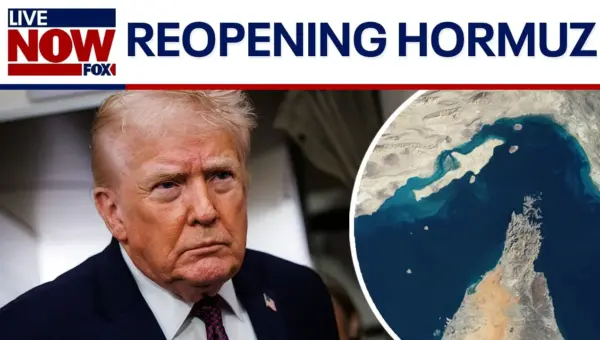
President Trump recently announced a two-week ceasefire with Iran, a move that could have major consequences. Iran has reportedly agreed to open the Strait of Hormuz during this period. The President stated that Iran was given a 10-point plan, which he sees as a starting point for a full peace agreement. This development has sparked strong reactions from political analysts.
A Negotiator’s Gamble
Jason Palmer, co-founder of Together and former Democratic presidential candidate, expressed concern over President Trump’s communication style. Palmer noted that Trump had previously threatened to bring Iran’s civilization back to the “stone ages” and then offered a deal. He pointed out that over a hundred members of Congress had called for Trump’s removal from office, suggesting a lack of faith in his approach. Palmer also expressed doubt that Iran would accept the 10-point deal, calling the President’s threats “a shame to our nation.”
Larry Ward, chair of the Constitutional Rights Pack, offered a different perspective. Ward described Trump’s actions as typical of his negotiation style. He believes that in any negotiation, it’s important to show you are serious about the consequences of not reaching an agreement. While Ward didn’t endorse Trump’s language, he saw it as characteristic of the President’s direct and often blustering approach. He felt this style, which he traced back to Trump’s early career in New York, gets results. The prospect of a two-week ceasefire and an open Strait of Hormuz, Ward suggested, could lead to lasting peace, which would be a fantastic outcome.
The Georgia House Race: A Microcosm of Political Division
The discussion also turned to a special election in Georgia to replace Marjorie Taylor Greene. While Republican Clay Fuller was expected to win the solidly red district, Democrat Sean Harris had significantly outspent his opponent. Harris emphasized the importance of voters making their voices heard and choosing a representative focused on their local needs.
Palmer acknowledged that Harris was running in a very difficult district. However, he argued that if Harris could keep the loss within 10 percentage points, it would be a major win for Democrats. This would show a significant shift, suggesting that even in a conservative area like Georgia, a candidate like Harris could perform well. He suggested this could indicate that Trump himself is unappealing even to voters in traditionally Republican areas.
Ward agreed that a Republican loss in this district would be shocking and spell disaster for the party in the upcoming midterms. He stated it was highly unlikely to happen. While special elections can be unpredictable, Ward was confident the Republicans would hold the seat.
Fighting Fraud: A Common Goal?
The panel then discussed the Department of Justice’s announcement of a renewed effort to combat fraud. This initiative includes adding 93 prosecutors and establishing a national fraud detention center. Acting Attorney General Todd Blanch stated that the department is prosecuting more cases than in previous years and will spare no resources in pursuing justice.
Palmer found common ground here, agreeing that fraud in programs like Medicaid, Medicare, and Social Security is a serious issue. He supported increased investigations to find those committing fraud and save taxpayer money. However, he expressed concern, recalling instances where the Trump administration was accused of overreach and political prosecutions. He stressed the importance of seeing how this new initiative plays out in practice.
Ward hoped this renewed focus would lead to more arrests. He believes there is a significant fraud problem in the country, fueled by government complicity. He argued that billions in fraudulent transactions could not occur without help from within the government. Ward suggested that eliminating fraud could significantly reduce the national deficit. He also pointed to fraud in non-profit organizations receiving government funds.
Trump’s Hungarian Connection
The conversation concluded with Vice President JD Vance calling President Trump during a campaign event for Hungarian Prime Minister Viktor Orbán. Trump expressed his affection for Hungary and Orbán, calling him a “fantastic man” with whom he has a “tremendous relationship.”
Palmer found this alliance puzzling. He noted that Hungary, under Orbán, is seen as closer to Moscow than other EU countries. Orbán himself has described Hungary as an “illiberal democracy,” and watchdog groups have labeled it an autocracy. Palmer questioned why the U.S. would campaign for such a leader, suggesting it goes against American values and alliances with pro-democracy nations in Europe.
Ward offered a different interpretation, suggesting it could be Trump’s strategic approach. He described both Trump and Orbán as populists. Ward defended Orbán’s policies, particularly on immigration, arguing they benefited Hungary by avoiding the financial and social burdens faced by other European nations. He viewed Orbán’s government as populist and believed Trump is the leader of a global populist movement, which explains their connection.
Why This Matters
This discussion highlights several critical areas of American foreign and domestic policy. President Trump’s unconventional approach to international relations, particularly with Iran, raises questions about stability versus aggression. His negotiation tactics, while potentially effective in securing short-term agreements like the ceasefire, carry risks and draw criticism for their confrontational nature. The outcome of such negotiations could significantly impact global security and economic stability, especially concerning vital shipping lanes like the Strait of Hormuz.
Domestically, the Georgia House race serves as a bellwether for voter sentiment. Even in a deeply red district, a strong Democratic performance, regardless of the final outcome, could signal a broader shift in political allegiances. This reflects ongoing debates about candidate appeal, party strategies, and the influence of national figures on local elections.
The renewed focus on combating fraud by the Department of Justice, while seemingly non-partisan, carries political undertones. The effectiveness and fairness of these efforts will be closely watched, especially given past accusations of overreach. A successful crackdown on fraud could bolster public trust and save taxpayer money, but it must be balanced with due process and avoid political targeting.
Finally, President Trump’s endorsement of Viktor Orbán and Hungary’s political direction raises concerns about U.S. foreign policy alignment. The U.S. has historically supported democratic values abroad. Aligning with leaders who are seen as undermining democratic norms, even for strategic populist reasons, could weaken international alliances and America’s standing as a global leader.
Looking Ahead
The long-term impact of the Iran ceasefire remains to be seen, but it represents a potential de-escalation in a volatile region. The upcoming midterms will likely be influenced by how these various domestic and international events shape voter perceptions. The Department of Justice’s anti-fraud initiatives will need to prove their efficacy and fairness. Meanwhile, the U.S. will continue to navigate complex relationships with allies and adversaries, balancing national interests with its commitment to democratic principles. The effectiveness of these strategies will shape the political and geopolitical landscape for years to come.
Source: Trump Negotiates With Serious Consequences and Gets Results: Panel (YouTube)

Related Articles
Trump Halts Iran Attacks, Seeks Peace Deal
President Trump has agreed to a two-week suspension of attacks on Iran, contingent on Iran reopening the Strait of Hormuz. This move comes as the U.S. reports progress on a peace proposal and highlights the Iranian people's desire for freedom.
US, Iran Agree to 2-Week Ceasefire Centered on Strait of Hormuz
The U.S. and Iran have agreed to a two-week ceasefire, brokered by Pakistan, focusing on reopening the Strait of Hormuz. While a significant development, the deal's terms are complex and its fragility is a major concern due to the numerous actors involved.

Activist Slams Democrats on Iran War Rhetoric
An Iranian human rights activist sharply criticized Democratic politicians for labeling former President Trump's potential military actions against Iran as war crimes. Goldie Ghamari argued that the Iranian regime itself is the true war criminal, citing its human rights abuses and use of citizens as human shields.