Congresswoman’s Bold Stand: Military Must Reject Unlawful Orders
Senator Alyssa Slotkin and other military veterans in Congress issued a video reminding service members of their duty to refuse unlawful orders. This bold stance faced political backlash and legal inquiries, which Slotkin resisted, citing constitutional rights and the dangers of intimidation.

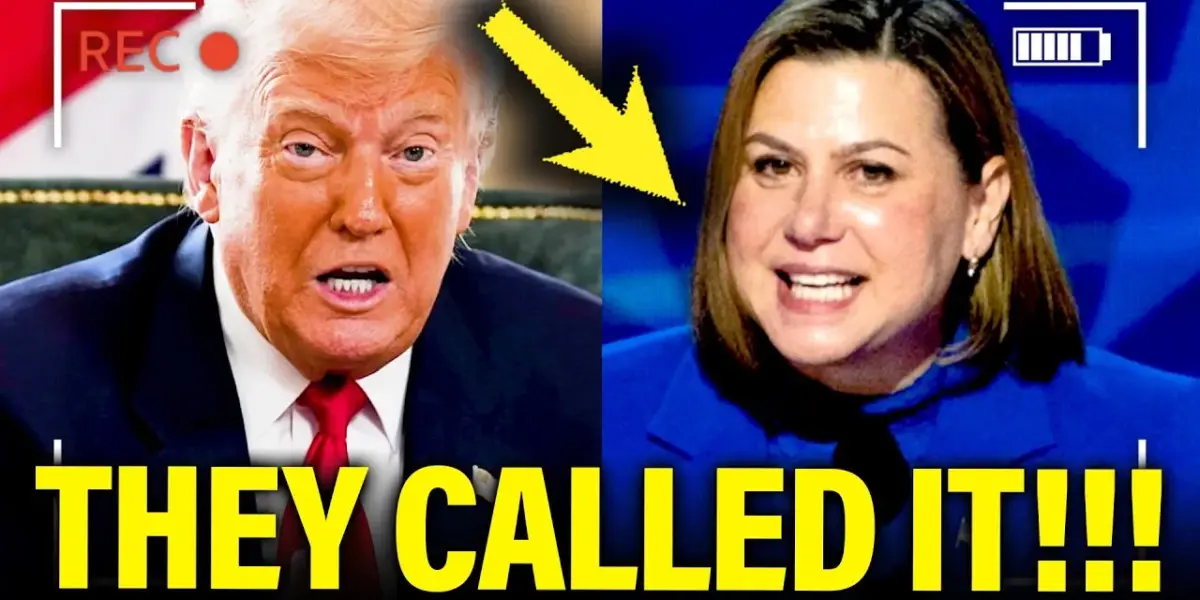
Congresswoman’s Bold Stand: Military Must Reject Unlawful Orders
In times of intense political pressure, a crucial question arises: what is the military’s duty when faced with potentially unlawful orders? Senator Alyssa Slotkin, a former CIA officer and Navy veteran, along with five other members of Congress who also have military backgrounds, released a powerful video last year. This video, titled “Don’t Give Up the Ship,” served as a direct message to service members. It reminded them of their solemn oath to uphold the U.S. Constitution, not any single individual. This action came at a time when tensions were high, and concerns about the potential for unconstitutional directives were growing.
A Call to Uphold the Constitution
The group, including Senators Mark Kelly and Representatives Jason Crowe, Maggie Goodlander, Chrissy Houlahan, and Chris Deluzio, emphasized a fundamental principle: military personnel have a legal and moral obligation to refuse orders that violate the law or the Constitution. Their message was clear: no one is required to carry out actions that go against these core tenets. They acknowledged the immense stress and pressure service members face, especially when the trust placed in the military by the public is at risk.
“Right now, the threats to our Constitution aren’t just coming from abroad, but from right here at home. Our laws are clear. You can refuse illegal orders.”
This proactive stance was met with strong reactions. Former President Donald Trump publicly denounced the lawmakers, calling them the “sedition six” and suggesting they should face severe consequences. An attempt was made to prosecute them for seditious speech. However, a grand jury ultimately rejected the effort to indict them, and the prosecutor involved reportedly decided not to pursue the case further.
Facing Intimidation, Speaking Out
Despite the failed attempts at prosecution, the pressure on Senator Slotkin and others continued. Slotkin herself faced inquiries from the Department of Justice. Rather than comply quietly, she took a firm stand. She issued a letter stating she would not participate in an interview based on the 90-second video and urged the Justice Department to preserve all records related to the case, hinting at potential legal action for infringement of her constitutional rights.
Slotkin explained her decision to resist the inquiry. She stated that the administration seemed to be using intimidation tactics to silence dissent. She believed that remaining quiet would validate their actions and potentially deter others from speaking out. “The intimidation is the point,” she argued, emphasizing that if a sitting senator could be targeted, it could set a dangerous precedent for ordinary citizens.
Historical Context: The Oath and Duty
The concept of a soldier’s duty to disobey unlawful orders is not new. It is deeply rooted in military law and ethics. Throughout history, military personnel have grappled with the tension between obedience to command and adherence to moral and legal principles. The Nuremberg trials after World War II, for example, established the principle that individuals cannot escape responsibility for war crimes by claiming they were merely following orders.
In the U.S. military, the Uniform Code of Military Justice (UCMJ) outlines a service member’s obligation to obey lawful orders. However, it also implicitly and explicitly supports the refusal of unlawful orders. This principle protects both the individual service member and the integrity of the legal and constitutional framework. The video by Slotkin and her colleagues was a modern articulation of this long-standing duty, aimed at reinforcing it in a potentially volatile political climate.
Why This Matters
This situation highlights a critical aspect of democratic governance: the role of the military in a constitutional republic. The principle that the armed forces serve the Constitution, not a person, is fundamental. When political leaders appear to challenge this principle, or when there are concerns about potential abuses of power, the voices of those who understand the military’s unique position become vital.
Senator Slotkin’s actions underscore the importance of elected officials with military experience speaking out. They can lend credibility and insight to discussions about national security and the military’s role. Her willingness to face personal and legal challenges to defend free speech and the principle of obeying lawful orders sets an example. It shows that even under pressure, upholding constitutional values is paramount.
Trends and Future Outlook
The events described suggest a growing concern about the politicization of the military and the justice system. The attempt to prosecute lawmakers for their statements to the military, and Slotkin’s response, point to an ongoing debate about the boundaries of political speech, especially when directed at or concerning the armed forces. As political polarization continues, similar situations may arise, testing the resilience of democratic institutions and the commitment of individuals to uphold the rule of law.
The future will likely see continued emphasis on the importance of the military’s apolitical role and the duty of service members to adhere to lawful orders. The actions of figures like Senator Slotkin serve as a reminder that vigilance and courage are necessary to protect democratic values. The public’s trust in the military is built on the understanding that it operates within a framework of law and constitutional authority, and that individuals within the military will act with moral clarity when that framework is threatened.
Source: Trump EXPOSED as Warnings Suddenly COME TRUE (YouTube)

Related Articles

Birthright Citizenship: Is the 14th Amendment Outdated?
The 14th Amendment's guarantee of birthright citizenship is under intense debate. Panel guests discuss whether the long-standing interpretation is outdated and explore the practical challenges and historical context surrounding this core American principle.

Tribe: Uphold Constitution, Don’t ‘Trash It’ Like Trump
Harvard Law Professor Laurence Tribe stressed the need to protect the Constitution, calling out former President Trump's tendency to dismiss it. He highlighted Chief Justice Roberts' view that it's a "new world" but the "same Constitution," emphasizing its enduring strength and adaptability to modern challenges. Tribe also underscored that changes to the Constitution must follow the amendment process, not executive orders or court rulings.

Trump’s Election Claims Spark 25th Amendment Debate
Discussion surrounding Donald Trump's comments on a third term and his handling of foreign policy has led to renewed debate about the 25th Amendment. Critics argue his behavior suggests incapacitation, while the amendment's complex process for removal remains a significant hurdle.