Trump Halts Iran Attacks, Seeks Peace Deal
President Trump has agreed to a two-week suspension of attacks on Iran, contingent on Iran reopening the Strait of Hormuz. This move comes as the U.S. reports progress on a peace proposal and highlights the Iranian people's desire for freedom.

Trump Halts Iran Attacks, Seeks Peace Deal
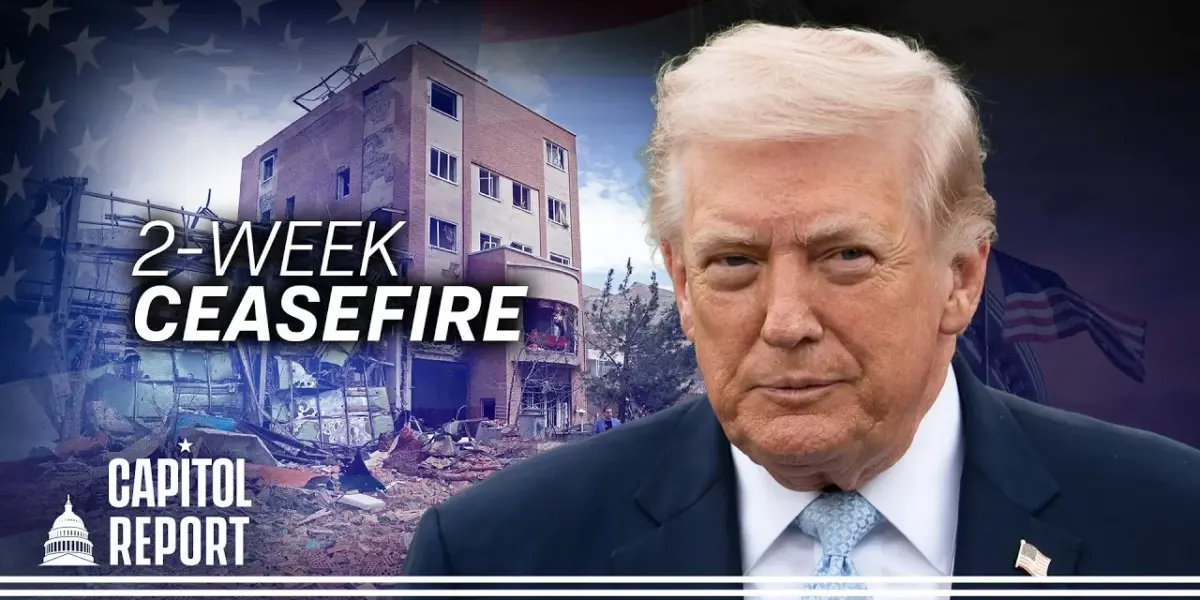
In a sudden turn of events, President Trump has agreed to suspend military actions against Iran for two weeks. This decision comes just hours before a major deadline, signaling a potential breakthrough in long-standing tensions. The U.S. will hold its fire if Iran agrees to fully and safely reopen the Strait of Hormuz, a critical waterway for global oil transport. This move follows a proposal from Pakistan’s Prime Minister, who urged the President to pause destructive force.
President Trump stated that the U.S. has achieved its military goals in what was called Operation Epic Fury. He also mentioned being close to an agreement for lasting peace in Iran and the wider Middle East. The President has received a 10-point proposal from Iran, which he believes can be negotiated.
U.S. Reasoning and Iranian Actions
Throughout Operation Epic Fury, President Trump has consistently highlighted the desire for freedom among the Iranian people. He has encouraged them to reclaim their country, a message he first delivered at the start of the operation. Recently, he shared recordings of intercepted communications. These showed Iranians pleading for the bombing to stop, even as the U.S. avoided hitting civilian areas. “They want freedom,” President Trump said, describing their lives as a “violent, horrible world where if you protest, you are shot.”
The Iranian regime has been accused of numerous harmful acts. These include arming terrorist groups, targeting civilians, disrupting shipping, and destabilizing governments. They have also been criticized for using civilians and civilian buildings, like hospitals and schools, as shields for military equipment. This is done for propaganda purposes, described by the U.S. as “sick and despicable.”
Reports indicate that the Iranian regime’s crackdown on anti-government protesters has led to significant loss of life. Iran International reported over 36,000 deaths since January due to the regime’s violent suppression. Meanwhile, the country is spending millions daily to maintain internet blackouts, preventing citizens from sharing information about the executions of protesters.
Path to Resolution
The President believes that most points of disagreement between the U.S. and Iran have been resolved. This two-week period is intended to finalize the agreement. President Trump views bringing this long-standing issue to a close as an honor. This agreement, if finalized, could mark a significant step towards de-escalating a volatile situation.
Why This Matters
This potential cease-fire is significant for several reasons. Firstly, it offers a pause in military conflict, which could save lives on all sides. Secondly, the reopening of the Strait of Hormuz is crucial for global energy markets. Disruptions there can cause oil prices to spike worldwide. Finally, this could be a step toward addressing Iran’s actions, which have destabilized the Middle East. It also brings hope to the Iranian people who are seeking greater freedoms.
Historical Context and Future Outlook
Tensions between the U.S. and Iran have been high for decades, particularly since the 1979 Iranian Revolution. The Strait of Hormuz has frequently been a point of contention, with Iran threatening to block it during past escalations. The U.S. has often responded by increasing its military presence in the region to ensure freedom of navigation. Past efforts to negotiate with Iran have been difficult due to mistrust and differing objectives.
The current situation reflects a broader pattern of U.S. policy aimed at confronting Iran’s regional influence and supporting internal dissent. President Trump’s approach has often involved strong rhetoric and economic pressure, alongside military deterrence. This proposed cease-fire suggests a willingness to shift towards diplomacy, at least temporarily. If the agreement holds, it could pave the way for more comprehensive talks on issues like Iran’s nuclear program and its support for proxy groups.
However, challenges remain. The trust between the two nations is fragile. Iran’s internal political dynamics and the influence of hardliners could complicate negotiations. The willingness of Iran to fully open the Strait of Hormuz and cease its destabilizing activities will be closely watched. The coming two weeks will be critical in determining whether this pause in hostilities leads to lasting peace or simply a temporary reprieve.
Source: US, Iran Agree to 2 Week Cease Fire (YouTube)

Related Articles


Ceasefire Sparks Hope for Crypto Market Rebound
A recent ceasefire has sparked renewed optimism in the crypto markets, prompting analysts to examine technical indicators for signs of a sustained rebound. While geopolitical calm can boost investor confidence, the long-term outlook also depends on regulatory clarity and broader adoption trends. The upcoming launch of the Commonwealth Union Blockchain Network adds another layer of interest to the evolving digital asset space.

Trump’s Iran Deal: Bold Tactics Yield Fragile Peace
A panel discusses President Trump's Iran ceasefire deal, a special election in Georgia, the DOJ's renewed fight against fraud, and Trump's relationship with Hungarian Prime Minister Viktor Orbán. Analysts debate Trump's negotiation tactics, the implications of the Georgia race, and the U.S.'s foreign policy stance.

US-Iran Ceasefire Holds Amid Tensions, Strait of Hormuz Key
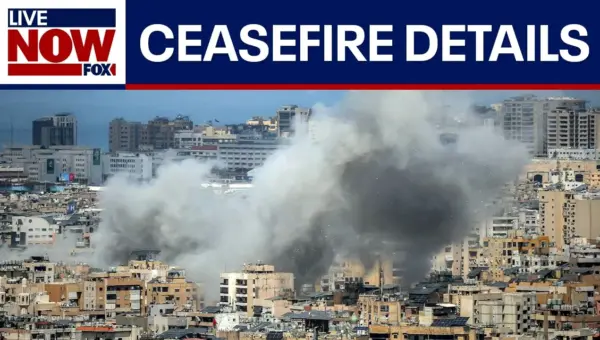
The US and Iran have agreed to a two-week ceasefire, brokered by Pakistan, with the crucial condition that Iran reopens the Strait of Hormuz. This development impacts global oil and gas supplies, as well as food security through fertilizer transport. However, concerns remain about potential Iranian mobilization and compliance, particularly following reports of post-ceasefire missile launches.