China’s Shadow Drones Test US Defenses
Sophisticated drones are being spotted near U.S. military bases, raising national security alarms. Experts believe China is behind these activities, using them to test defenses and gather intelligence as part of an "unrestricted warfare" strategy. Individuals are urged to educate themselves and reduce reliance on Chinese goods to counter this threat.

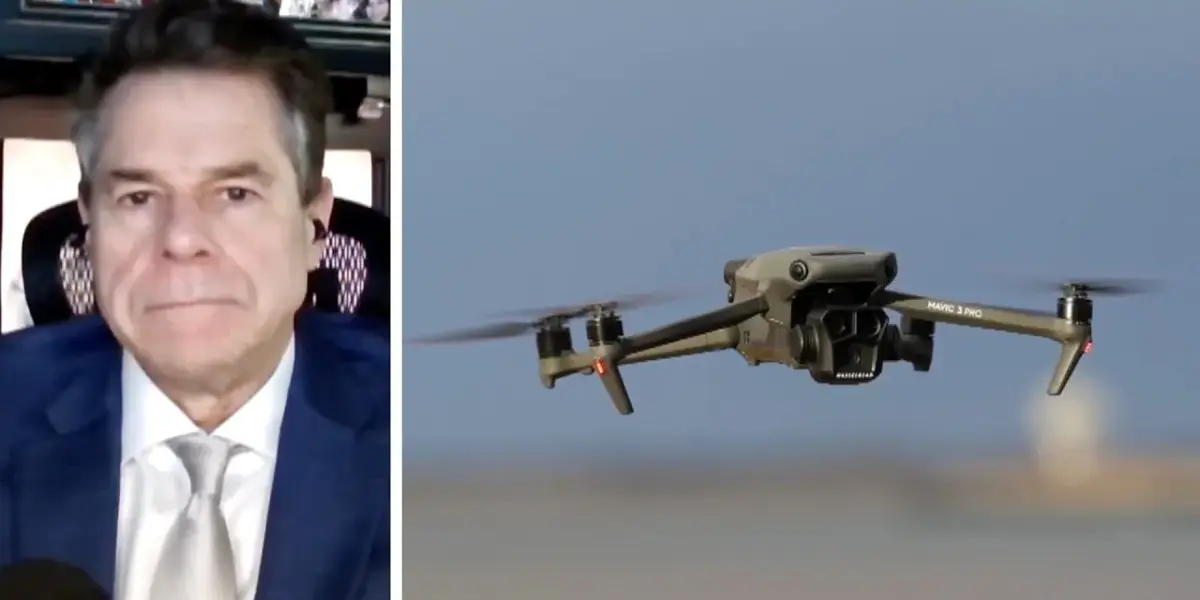
China’s Shadow Drones Test US Defenses
Mysterious drones have been spotted flying near sensitive U.S. military bases across the country. These aren’t just hobbyist toys; experts believe they are sophisticated tools used by China to gather intelligence and test American defenses. This raises serious questions about national security and how the U.S. should respond.
Unmasking the Operator
Casey Fleming, CEO of Black Ops Partners and author of “The Red Tsunami,” is certain about who is behind these sightings. He states unequivocally that the Chinese Communist Party (CCP) is responsible. This activity, he explains, is part of a broader strategy. The CCP aims to push its espionage efforts further, especially after the U.S. clamped down on certain Chinese drone cameras, like those from DJI.
Fleming likens the situation to a game of whack-a-mole. When one avenue of spying is blocked, China simply finds another. This constant adaptation highlights the persistent and evolving nature of the threat. The challenge for U.S. authorities is to keep pace with these changing tactics.
Testing the Waters
The behavior of these drones is particularly concerning. Reports suggest they enter and exit military perimeters in ways designed to avoid detection. This suggests they are not randomly flying but are deliberately testing the response protocols of U.S. bases. They are mapping out bases, observing air traffic, and gathering all sorts of data.
This testing is reminiscent of the spy balloon incident that drifted across the U.S. earlier this year. Like the balloon, these drones seem to be probing U.S. reaction times and capabilities. The larger the drones, the more extensive the testing appears to be, indicating a significant national security concern.
Unrestricted Warfare
Fleming connects these drone activities to China’s concept of “unrestricted warfare.” This strategy involves using all means, short of direct military conflict, to weaken an adversary. This includes cyberattacks, economic pressure, and the weaponization of technology, even seemingly civilian technology.
He points out that many technologies, including drones, have a dual-use nature. What might seem like a tool for vlogging or recreation can be quickly adapted for military purposes. China’s military-civil fusion strategy ensures that any technological advancement is examined for its potential military application. This means that even commercial drones could be part of a larger intelligence-gathering or surveillance network.
The sheer volume of drone production is also alarming. Fleming notes that China is reportedly manufacturing thousands of cheap, effective drones daily. This mass production allows them to deploy these assets widely without significant cost. This contrasts sharply with the expensive missiles the U.S. military might use to counter them, creating an unsustainable economic imbalance in defense.
A Broader Conflict
Fleming warns that these actions are part of a larger, ongoing conflict. He emphasizes that this is not just about military bases; it’s an unrestricted war against the United States and its citizens. The CCP’s goal is to undermine the U.S. through various non-kinetic means, including cyber warfare and the flow of illicit drugs like fentanyl, which he links to China’s strategic partnerships with countries like Iran and Russia.
While current events like the war in Iran draw attention, Fleming urges people not to be distracted. He believes the most significant long-term threat is the unrestricted warfare waged by China. As global tensions rise, the potential for these non-kinetic attacks to escalate and impact the homeland increases.
What Can Be Done?
Fleming argues that relying solely on the government for solutions may not be enough, given what he sees as past policy failures. He believes individuals must take action to protect themselves and contribute to national security.
His recommendations are straightforward:
- Educate yourself and others: He stresses the importance of understanding the threat, recommending his book “The Red Tsunami” as a resource to connect the dots and grasp the bigger picture. Sharing this knowledge with family and friends is crucial.
- Stop funding the enemy: Fleming urges consumers to stop purchasing Chinese goods and services. He sees this as directly funding the adversary that is actively working against the United States.
By taking these steps, individuals can feel empowered rather than overwhelmed by the scale of the challenge. The goal is to shift from a passive stance to active engagement in safeguarding national security.
Source: China Behind Mystery Drone Sightings Around US Military Bases: National Security Expert (YouTube)

Related Articles
Spy Drones Test US Bases, Exposing Defense Weaknesses
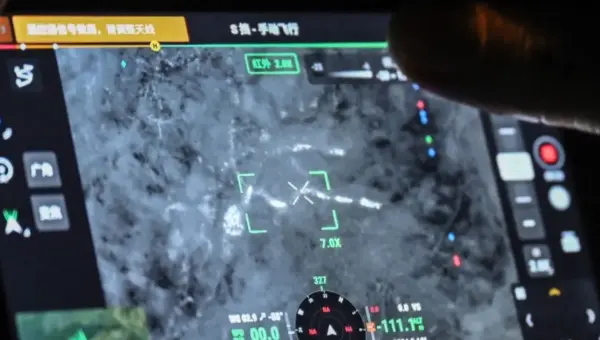
Mysterious drones are being spotted near US military bases, acting in ways that suggest they are testing security protocols. Experts warn that inexpensive drone swarms could shut down air bases, exposing serious defense gaps. The rise in activity follows restrictions on Chinese surveillance cameras, raising concerns about foreign spying and the need for updated defenses.


Foreign Cash Floods US Colleges: What’s the Real Cost?
U.S. universities received over $5.2 billion in foreign gifts and contracts in 2025, with billions more reported since 1986. Major donors include Qatar, China, and Saudi Arabia, funding top institutions like Harvard and MIT. This trend raises concerns about academic freedom and potential foreign influence.
Taiwan Opposition Leader Visits China Amid Rising Tensions
Taiwan's opposition leader's visit to China is drawing criticism amid rising regional tensions. The trip occurs as China increases pressure on the island, while US lawmakers double down on support for Taiwan's defense. The controversy highlights the delicate geopolitical balance and Taiwan's internal political divisions.