Iran’s Ceasefire Masks Deep Fear, Calls for Intervention
Despite a recent two-week ceasefire, Iranians remain deeply fearful of their regime's reprisal. An Iranian American doctor criticizes the government's brutality and calls for decisive action, comparing the situation to WWII. The U.S. claims military objectives are met, but questions remain about Iran's long-term safety and potential nuclear ambitions.

Iran’s Ceasefire Masks Deep Fear, Calls for Intervention
A recent two-week ceasefire in Iran has brought a temporary halt to fighting, but the situation on the ground remains deeply tense. Many Iranians are reportedly still living in fear, not of bombs falling, but of the regime taking out its anger on its own people. This fear comes as the government has been accused of using propaganda, including videos of women and children at power stations and bridges, as human shields. The future of Iran feels uncertain, even with the fighting paused.
Iranian Americans Speak Out
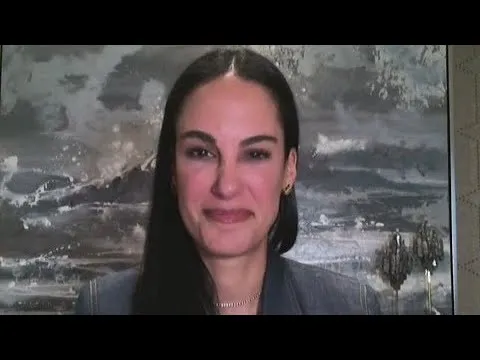
Dr. Sheila Nazarian, an Iranian American plastic surgeon who fled the regime as a child, shared her perspective. She noted that while some individuals from the regime might have personal connections, the government’s actions are unacceptable. Dr. Nazarian expressed strong criticism of the regime’s violence against its own citizens, stating that tens of thousands of unarmed young people have been killed in the streets without consequences. She drew a parallel to World War II, suggesting that inaction against such brutality is wrong and that intervening to help the Iranian people is justified, similar to how the world would have acted against Hitler.
Regime Brutality and Desperation
Dr. Nazarian described the mood within Iran as one of extreme fear. People are reportedly more afraid of the regime’s response than of continued fighting. The government is accused of killing and executing one to two people a day, often on vague charges like “crimes against God.” This highlights the brutal nature of the current Iranian leadership. Dr. Nazarian believes the fight is far from over and hopes for an armed Iranian population to rise up and reclaim their country, calling the regime a “cancer” that needs to be removed from the world.
US Objectives and Future Concerns
The United States has stated that its military objectives against Iran have been met. However, there seems to be a disconnect between this statement and the reality on the ground. While the administration initially said its goal was not regime change, it has also acknowledged that U.S. and Israeli strikes have led to the deaths of many leaders. Dr. Nazarian argued that without regime change, the people of Iran and the wider Middle East will not be safe. She believes that continuing to “kick the can down the road” by not fully addressing the regime’s power will allow it to grow back, potentially with help from countries like China and Russia. This could leave future generations to deal with a nuclear-armed Iran.
Historical Parallels and Economic Factors
The discussion touched upon the idea that past presidents have also taken a similar approach of delaying a full resolution with Iran. Dr. Nazarian compared the current situation to a spreading cancer that must be eradicated entirely. She also suggested that former President Trump’s language might be aimed at calming financial markets, as markets tend to react positively when there is less talk of military action. This implies that economic stability is a significant factor in diplomatic and military decisions regarding Iran.
Regional Dynamics and Kurdish Involvement
The transcript briefly mentioned the potential involvement of Kurds in challenging the Iranian regime. However, it was noted that Turkey’s concerns about Kurdish movements in the Middle East might be influencing decisions about whether Kurds would enter Iran to confront the regime. This points to the complex web of regional alliances and rivalries that affect the broader geopolitical situation in the Middle East.
Global Impact
The ongoing instability in Iran and the international community’s response have far-reaching consequences. The fear among the Iranian population, coupled with accusations of government brutality and propaganda, highlights a severe human rights crisis. The debate over U.S. objectives – whether military success is enough or if regime change is necessary for regional stability – reveals a fundamental disagreement on how to address a perceived threat. The possibility of Iran developing nuclear weapons, supported by other global powers like Russia and China, raises serious concerns for international security. The situation underscores the difficulty in achieving lasting peace when internal repression is met with uncertain external intervention, potentially leaving the region vulnerable to further conflict and the spread of authoritarian influence.
Source: Iranians remain extremely scared even with ceasefire: Doctor | Katie Pavlich Tonight (YouTube)

Related Articles

Trump’s Iran Deal: Bold Tactics Yield Fragile Peace
A panel discusses President Trump's Iran ceasefire deal, a special election in Georgia, the DOJ's renewed fight against fraud, and Trump's relationship with Hungarian Prime Minister Viktor Orbán. Analysts debate Trump's negotiation tactics, the implications of the Georgia race, and the U.S.'s foreign policy stance.
Trump Halts Iran Attacks, Seeks Peace Deal
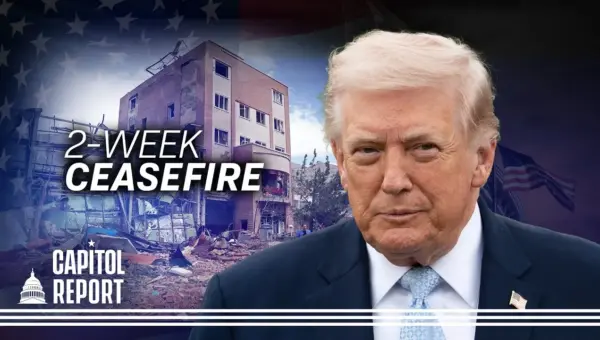
President Trump has agreed to a two-week suspension of attacks on Iran, contingent on Iran reopening the Strait of Hormuz. This move comes as the U.S. reports progress on a peace proposal and highlights the Iranian people's desire for freedom.

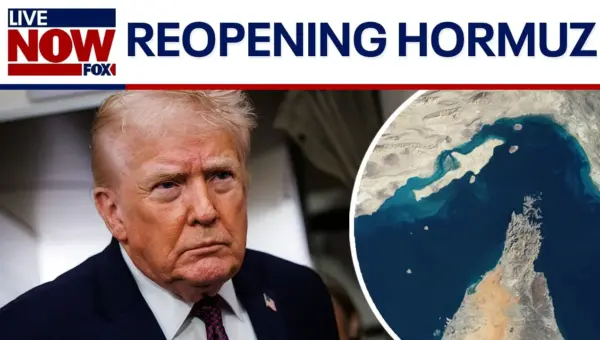
US, Iran Agree to 2-Week Ceasefire Centered on Strait of Hormuz
The U.S. and Iran have agreed to a two-week ceasefire, brokered by Pakistan, focusing on reopening the Strait of Hormuz. While a significant development, the deal's terms are complex and its fragility is a major concern due to the numerous actors involved.