NATO Allies’ Betrayal Fuels Putin’s Dream
Many NATO allies hindered U.S. operations during the Iran conflict, revealing a lack of support that plays into Russia's goal of weakening the alliance. Eastern European nations remain loyal, but their influence is limited.

NATO Allies’ Betrayal Fuels Putin’s Dream
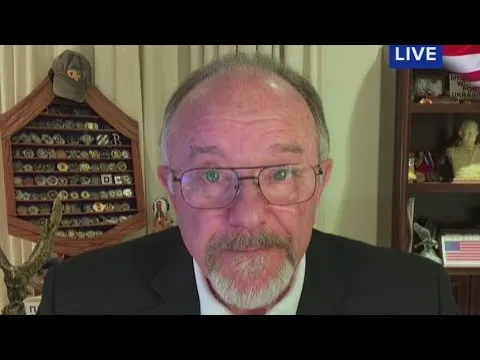
The recent conflict with Iran has revealed a stark truth: many NATO allies are not the reliable partners the United States expected. Instead of full support, several nations actively hindered U.S. military operations. This situation, highlighted by retired General Philip Breedlove, plays directly into Russian President Vladimir Putin’s long-held goal of weakening or even dismantling the NATO alliance.
Allies Block U.S. Operations
During the Iran conflict, key NATO members took actions that significantly complicated U.S. military movements. Spain denied the U.S. access to its naval and air bases. This forced refueling planes to take a much longer route around Spain to reach the Mediterranean. Italy blocked American bases from participating in the war altogether. Furthermore, Austria, France, and Switzerland closed their airspace to U.S. military aircraft.
Eastern European Nations Stand With U.S.
General Breedlove pointed out that not all NATO members were unsupportive. He noted that many nations, especially those closer to Russia, remain strong U.S. allies. These ‘Eastern Front’ nations view Russia as a clear threat. They understand the importance of NATO supporting countries like Ukraine. However, their voices are often drowned out by the larger, older European powers.
Divergent Interests and Past Precedents
The U.S. commander suggested that some NATO nations did not participate fully because they were not properly consulted beforehand. There was a lack of common conversations and engagement. This isn’t entirely new; a similar situation occurred during the first Libya operation, where U.S. aircraft had to fly long detours.
The Trump Factor and European Politics
General Breedlove believes some European leaders are hesitant to support U.S. actions due to internal political pressures. They may fear angering their Muslim populations or dislike President Trump personally. This reluctance, he argues, is a ‘gift’ to Putin. By alienating the U.S., these nations push America away from NATO. This allows Trump to argue that these allies are not worth defending.
Declining Military Capabilities
The transcript highlights a significant disparity in military strength within NATO. While the U.S. contributes the vast majority of resources and forces, many European allies have seen their military capabilities decline. For example, the United Kingdom’s Royal Navy, once a global powerhouse, is now a shadow of its former self. One of its newest warships had to dock due to water supply issues.
NATO’s Original Purpose and Current Challenges
NATO was founded to unite Western nations against the Soviet Union. Its purpose was to keep Russia out, Germany in check, and the U.S. involved in European security. However, General Breedlove notes that NATO is struggling with two of these three goals. The alliance faces internal divisions and a growing threat from Russia. He warns that letting NATO fall apart would be a tragic mistake and a major victory for Putin.
Global Impact
The erosion of trust and cooperation within NATO, as described by General Breedlove, has significant global implications. A weakened or fractured NATO emboldens Russia and potentially other adversaries. It creates uncertainty for global security and could lead to a less stable international order. The reliance on U.S. military power, coupled with allies’ reluctance to fully commit, shifts the balance of power.
Historical Context
NATO was established in 1949 with the North Atlantic Treaty. It was a response to the perceived threat of Soviet expansionism after World War II. The alliance has evolved over decades, adapting to new challenges. However, the current tensions echo earlier periods of doubt about the alliance’s cohesion and the commitment of its members. The historical purpose of NATO was to create a collective security framework, a goal now seemingly under strain.
Economic Leverage and Dependencies
While not explicitly detailed in the transcript, economic factors often influence geopolitical decisions. Trade relationships, energy dependencies, and the cost of military contributions play a role in how nations align. The U.S. bears a disproportionate financial burden for NATO’s operations. This financial imbalance fuels American frustration and provides leverage for arguments about burden-sharing.
Future Scenarios
One potential future scenario is a continued weakening of NATO, leading to reduced collective security and increased regional instability. Another possibility is a revitalization of the alliance, perhaps driven by a renewed sense of threat from Russia, forcing members to recommit and modernize their forces. A third scenario could involve a significant shift in U.S. policy, potentially withdrawing from NATO, which would dramatically alter the global security landscape and likely benefit Russia.
Source: US out of NATO would be greatest gift to Putin: Gen. Philip Breedlove | On Balance (YouTube)

Related Articles
Trump Halts Iran Attacks, Seeks Peace Deal
President Trump has agreed to a two-week suspension of attacks on Iran, contingent on Iran reopening the Strait of Hormuz. This move comes as the U.S. reports progress on a peace proposal and highlights the Iranian people's desire for freedom.
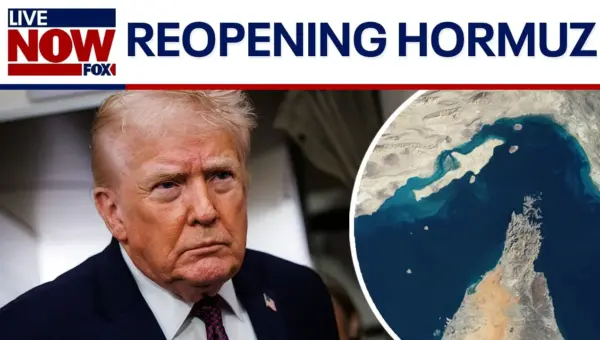
US, Iran Agree to 2-Week Ceasefire Centered on Strait of Hormuz
The U.S. and Iran have agreed to a two-week ceasefire, brokered by Pakistan, focusing on reopening the Strait of Hormuz. While a significant development, the deal's terms are complex and its fragility is a major concern due to the numerous actors involved.

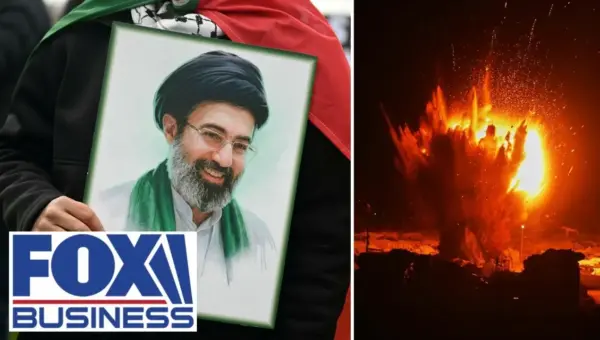
Activist Slams Democrats on Iran War Rhetoric
An Iranian human rights activist sharply criticized Democratic politicians for labeling former President Trump's potential military actions against Iran as war crimes. Goldie Ghamari argued that the Iranian regime itself is the true war criminal, citing its human rights abuses and use of citizens as human shields.