Iran Uses Strait Threat to Win Ceasefire Victory
A recent ceasefire between Iran, the U.S., and Israel has concluded, with each nation claiming victory. Iran leveraged threats to the vital Strait of Hormuz to secure its position, while the U.S. military achieved notable successes. Israel's security concerns appear addressed, but global uncertainty remains.

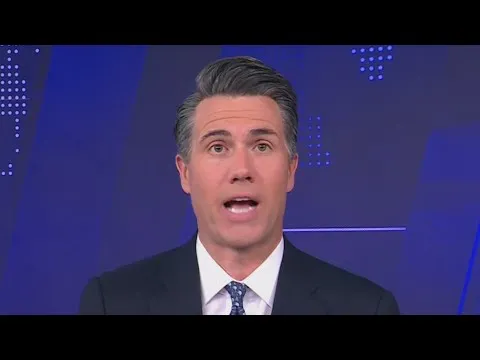
Iran Uses Strait Threat to Win Ceasefire Victory
A recent conflict involving Iran, the United States, and Israel has ended with a ceasefire. However, the outcome is complex, with each side claiming some form of victory. A key point of tension remains the Strait of Hormuz, a vital waterway for global oil shipments.
Iran’s Strategic Gain
The Iranian regime appears to have won by surviving a military confrontation with the U.S. They demonstrated their ability to disrupt global oil markets by threatening to close the Strait of Hormuz. This threat allowed Iran to negotiate a ceasefire. The transcript suggests Iran used this power to blackmail other nations, leading to higher oil prices. This outcome means the Iranian people remain under the control of their current government.
U.S. Military Successes
The American military achieved significant results during the 38 days of conflict. The transcript highlights the extraordinary success of military operations, including a specific rescue mission. Many targets were destroyed with impressive precision. This demonstrates the strength and effectiveness of the U.S. armed forces.
Israel’s Position Strengthened
Israel also emerged in a stronger position. Their primary adversary, Iran, has a significantly weakened military. Israel’s military and intelligence services performed exceptionally well, reportedly influencing the U.S. decision to engage in the conflict. Furthermore, Israel’s relationships with Arab nations are currently more positive than before.
European Allies’ Role Questioned
The transcript points to a perceived weakness in NATO and other European allies. The conflict exposed them as unwilling to take strong action. This suggests a lack of unity or resolve among key Western allies.
Uncertainty Over the Future
Despite the ceasefire, many questions remain unanswered. It is unclear if Iran will fully comply with the terms, specifically regarding the Strait of Hormuz. The transcript mentions Iran’s intention to only allow ships to pass if they coordinate with the Iranian navy. This differs from previous agreements, including those discussed with President Trump. The final form of any lasting deal is also uncertain, as the current ceasefire could collapse.
Economic Impact
The markets reacted sharply to the news. Oil prices dropped by 13%, and stock markets were expected to rise significantly. This shows the global economy’s sensitivity to conflicts in the Middle East and the security of oil supply routes.
President Trump’s Legacy
The outcome does not appear to solidify President Trump’s goal of toppling the Iranian regime. There is no clear indication that Iran will completely abandon its nuclear weapons program or cease support for terrorist groups. Therefore, Trump’s legacy may not be defined by the fall of the Iranian Islamic regime at this time.
Global Impact: Shifting Power Dynamics
This situation highlights a complex geopolitical balance. Iran, despite facing military pressure, leveraged its control over the Strait of Hormuz to achieve a diplomatic outcome favorable to its regime. The U.S. military demonstrated its power, while Israel secured its immediate security concerns. However, the reliance on threats to vital shipping lanes shows how regional conflicts can have global economic consequences. The perceived inaction of European allies also raises questions about the future of international cooperation in security matters.
Historical Context
The Strait of Hormuz has long been a critical chokepoint in global energy trade. Throughout history, control or the threat of control over this waterway has been a significant factor in regional politics and international diplomacy. Past tensions have often revolved around ensuring freedom of navigation, a principle now being tested by Iran’s actions.
Looking Ahead
The immediate future depends on Iran’s adherence to the ceasefire terms and its actions regarding the Strait of Hormuz. The U.S. and its allies will be watching closely. The long-term implications could involve a reassessment of regional security strategies and the role of international bodies in managing such critical chokepoints.
Source: US, Israel and Iran all claim victory in some fashion with ceasefire: Vittert | On Balance (YouTube)

Related Articles

Trump Halts Iran Attacks, Seeks Peace Deal
President Trump has agreed to a two-week suspension of attacks on Iran, contingent on Iran reopening the Strait of Hormuz. This move comes as the U.S. reports progress on a peace proposal and highlights the Iranian people's desire for freedom.

US-Iran Ceasefire Holds Amid Tensions, Strait of Hormuz Key
The US and Iran have agreed to a two-week ceasefire, brokered by Pakistan, with the crucial condition that Iran reopens the Strait of Hormuz. This development impacts global oil and gas supplies, as well as food security through fertilizer transport. However, concerns remain about potential Iranian mobilization and compliance, particularly following reports of post-ceasefire missile launches.
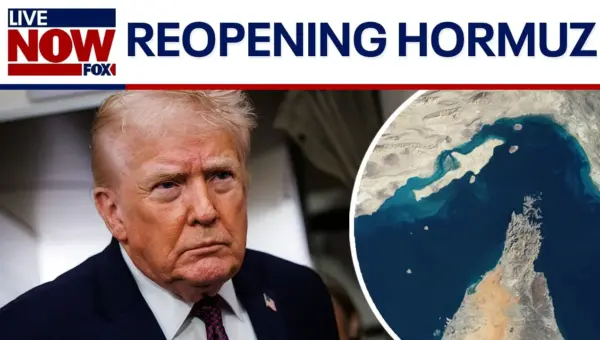
US, Iran Agree to 2-Week Ceasefire Centered on Strait of Hormuz
The U.S. and Iran have agreed to a two-week ceasefire, brokered by Pakistan, focusing on reopening the Strait of Hormuz. While a significant development, the deal's terms are complex and its fragility is a major concern due to the numerous actors involved.