Virginia Governor’s Shift Alienates Moderates, Risks Democratic Gains
Virginia Governor Abigail Spanberger's shift from a moderate platform to progressive policies has led to a significant drop in her approval ratings. This move alienates moderate voters and raises questions about the Democratic Party's electoral strategy, especially with economic concerns dominating public discourse.


Governor’s Pivot Fuels Moderate Backlash
Virginia Governor Abigail Spanberger, once seen as a key figure for moderate Democrats, is now facing significant public disapproval. A recent Washington Post poll shows her approval rating at 47%, with 46% disapproving. This marks a substantial drop since she took office, leaving many Virginians feeling misled.
Spanberger campaigned on a moderate platform. However, after her election, she quickly adopted progressive policies. These include stances on sanctuary cities and abortion access, alongside proposed tax increases. This shift has surprised many voters, even in traditionally Democratic areas like Fairfax County.
Analyzing the Political Strategy
The effectiveness of Spanberger’s political strategy is now under scrutiny. Some analysts believe her actions are hurting her personally, rather than impacting Democrats nationwide. The argument is that if a politician wants to run as a moderate, they must consistently support that position.
This involves speaking out against more extreme proposals from within their own party. While Spanberger has not signed all progressive bills into law, she has not strongly opposed them publicly. This lack of vocal opposition concerns moderates who feel she has not adequately represented their views.
Key Policy Decisions Under Fire
Several of Spanberger’s early decisions have drawn particular attention. On her first day, she signed an executive order ending statewide cooperation with ICE. This move effectively turned Virginia into a sanctuary state. Additionally, she had stated she would oppose changes to congressional districts.
However, redistricting is now on the ballot, with proposed maps that would heavily favor Democrats. These new districts could give Democrats all but one of Virginia’s congressional seats. This change contradicts her earlier promise and raises questions about her commitment to fair representation.
Republican Opportunities and Democratic Challenges
Republicans see an opportunity in this situation. They plan to highlight Democrats who campaign as moderates but then adopt progressive policies. This tactic could be effective in swing districts and states.
The governorship in Virginia is unique, as it’s a one-term office. Some speculate Spanberger might be positioning herself for a presidential run. To succeed in a Democratic primary, she might feel the need to appeal to the progressive base.
Economic Concerns Dominate Public Discourse
Beyond specific policy shifts, broader economic issues are weighing on voters. High food prices and rising inflation are major concerns. Many feel that Democrats are not focusing enough on these everyday economic struggles.
Gas prices, in particular, are seen as a direct indicator of public sentiment towards an administration. If gas prices remain high leading up to elections, it could significantly hurt Democratic candidates. Analysts suggest that in purple states and districts, Democrats need to prioritize economic messaging.
Global Economic Factors and Election Influence
International events also play a role. The war in Ukraine has impacted global energy prices. Some believe that former President Trump’s actions could influence gas prices, suggesting a link between foreign policy and domestic economic conditions.
The possibility of a ceasefire in Ukraine has been discussed, but there is skepticism about its longevity. Reports suggest Iran is seeking significant payments for passage through certain shipping routes. These global economic dynamics add another layer of complexity to the domestic political landscape.
Global Impact
The situation in Virginia reflects a larger trend within the Democratic Party. The tension between moderate and progressive wings is becoming more apparent. When prominent figures like Governor Spanberger shift their positions, it can alienate a crucial segment of the electorate.
This can lead to voter disillusionment and potentially affect election outcomes. The focus on economic issues, particularly inflation and gas prices, highlights a key vulnerability for the current administration. Global events, from international conflicts to energy markets, are directly impacting domestic politics.
Historical Context
The debate over moderate versus progressive wings of the Democratic Party is not new. Throughout history, the party has navigated these internal divisions. Figures like Spanberger are often seen as potential bridges between these factions.
However, when these bridge-builders appear to move too far in one direction, it can create instability. The Virginia governorship’s one-term limit adds another layer, potentially encouraging ambitious politicians to make bolder moves to build national profiles.
Economic Leverage and Trade
Economic factors are central to voter concerns. High inflation and energy prices are major drivers of public opinion. International trade and energy routes, influenced by global events like the war in Ukraine and actions by countries like Iran, directly impact these domestic economic conditions.
Regional Alliances and Power Balances
While this analysis focuses on Virginia, the underlying dynamics are regional and national. The success or failure of moderate candidates impacts the broader balance of power within the Democratic Party. Shifts in state-level policies, like those in Virginia, can set precedents or create challenges for Democrats in neighboring or similar states.
Future Scenarios
One scenario is that Spanberger’s current approach alienates enough moderate voters to hurt Democrats in upcoming elections. Another is that she successfully appeals to the progressive base, positioning herself for higher office, but at the cost of current electoral success in her state.
A third possibility is a course correction, where she attempts to re-emphasize moderate stances. However, the timing and effectiveness of such a shift remain uncertain. The ongoing influence of economic conditions and global events will also play a significant role in shaping these outcomes.
Source: Will the left’s bait-and-switch tactic cost them the midterms? | On Balance (YouTube)

Related Articles

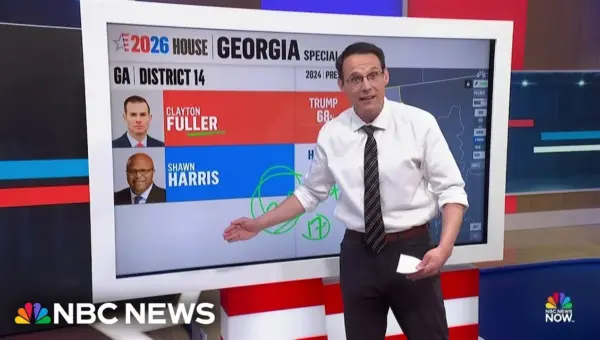
Democrats Seek ‘Moral Victory’ in Tight Georgia House Race
Democrats are aiming for a "moral victory" in Georgia's 14th Congressional District, a heavily Republican area, as voters cast ballots in a special election. While a win is unlikely, the party hopes to show a narrowing of the GOP advantage. Analysts are watching the margin of victory as a key indicator of voter sentiment.


Republican Party’s Trump Era: A Reckoning Looms
A sharp critique argues the Republican Party is complicit in the nation's current struggles, urging voters to reconsider their support. The analysis questions the party's benefit to anyone but the wealthy, citing economic hardship as evidence.

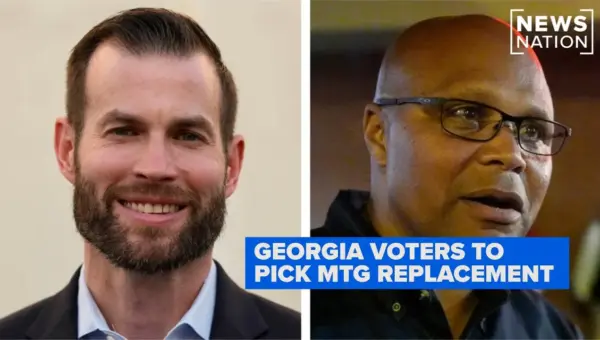
Georgia Race Tests GOP Grip on House Majority
Voters in Georgia are deciding a House seat crucial to the GOP's slim majority. Republican Clayton Fuller faces Democrat Sean Harris in a runoff. The race highlights voter concerns about affordability and local issues, testing Republican strength in a traditionally red district.