Putin Aims to Dismantle NATO for European Domination
Retired General Mark Hertling believes Vladimir Putin's primary goal is to dismantle NATO by driving out US influence. This would allow Russia to dominate Europe. The alliance faces internal struggles and external threats, making its future uncertain.

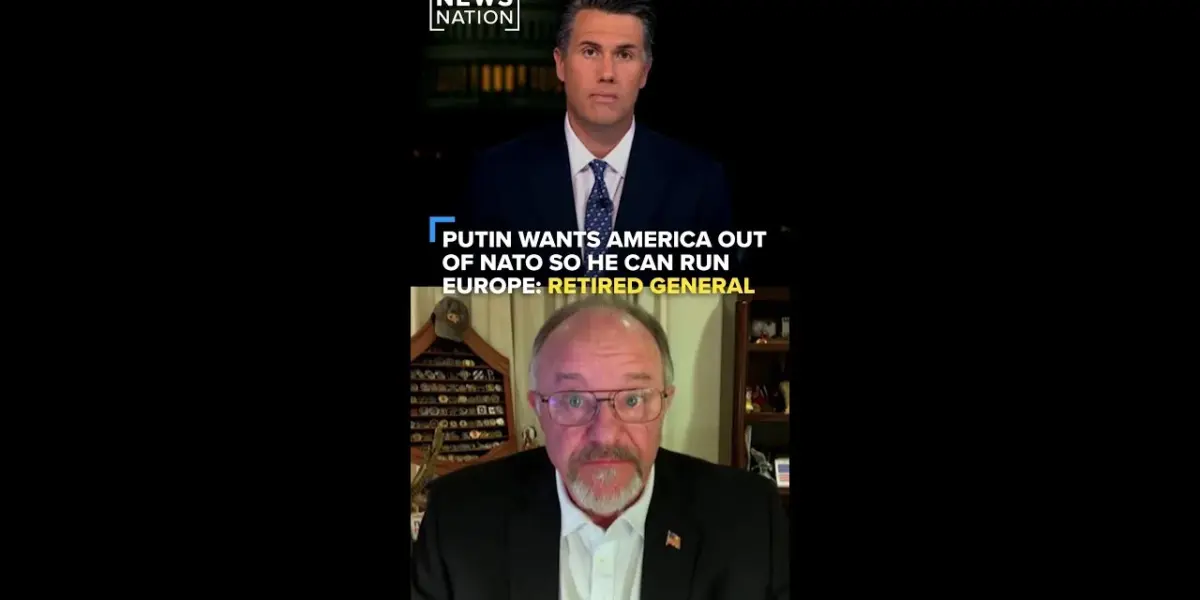
Putin Targets NATO to Reshape European Power
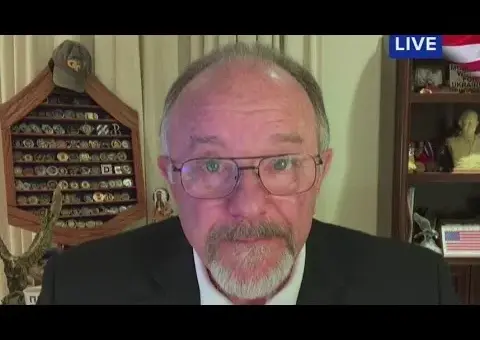
Retired General Mark Hertling suggests Russia’s President Vladimir Putin has a clear goal: to push the United States out of NATO. Putin’s aim is to then establish Russian dominance over Europe. This strategy targets the core of the Western alliance, which was built to protect democratic values against external threats.
A World Divided: West vs. East
The world is increasingly divided into two main alliances. One is the traditional Western alliance, built on shared values. The other is an Eastern bloc, represented by countries like Iran. This Eastern bloc combines Shia Islam with Marxist ideology. Europe appears uncertain about which side to align with in this growing global divide.
Internal Struggles in Europe
Part of Europe’s uncertainty stems from internal challenges. Some nations are grappling with significant demographic changes due to their Muslim populations. These internal issues make it harder for them to form a united front on foreign policy. The United States also faces similar challenges, though Hertling notes these are less severe than in many European countries.
NATO’s Original Purpose and Current Strain
NATO was originally formed with three key objectives. It aimed to keep Russia out, prevent Germany from becoming too powerful again, and keep the United States involved in European security. Today, NATO is struggling with two of these three goals. Russia remains a threat, and the US commitment is being questioned.
The Risk of NATO’s Collapse
General Hertling warns that allowing NATO to fall apart would be a major disaster. He believes this would be the greatest possible victory for Vladimir Putin. Putin’s ultimate goal is to see American influence removed from Europe. Once the US is out, he believes he can then effectively control the continent.
Motivations of Key Actors
Russia (Vladimir Putin): Putin seeks to weaken and ultimately dismantle NATO. His motivation is to regain influence over Eastern Europe and establish Russia as the dominant power in the region. Removing US military and political presence from Europe is crucial to this objective.
United States: While described as having a “backyard scuffle” with European allies, the US remains a key partner. Its interest lies in maintaining a strong, unified NATO to ensure European stability and counter Russian influence. The US also benefits from a secure Europe for trade and security cooperation.
European Nations: European countries are allies with the US but face internal political and social challenges. Their interests include maintaining security, economic stability, and their own national sovereignty. Some nations may be more susceptible to Russian pressure due to proximity or economic ties.
Historical Context
NATO was founded in 1949, during the Cold War, as a defense pact against Soviet aggression. The alliance served as a crucial deterrent, preventing direct conflict between major powers. The current challenges to NATO’s unity echo past debates about burden-sharing and the relevance of the alliance in a changing world. Putin’s actions are reminiscent of Soviet attempts to divide and conquer Western Europe during the Cold War.
Economic Considerations
While not explicitly detailed in the transcript, economic factors are often intertwined with geopolitical goals. Russia, for example, uses energy supplies as a political tool. European nations depend on Russian energy, creating economic leverage for Moscow. Sanctions imposed by the West also play a role, impacting Russia’s economy and its ability to project power. However, these sanctions can also affect European economies, creating divisions within the alliance.
Global Impact: Why This Reshapes the World Order
The potential collapse of NATO would fundamentally alter the global balance of power. It would leave Europe vulnerable to Russian influence and potentially lead to renewed instability on the continent. A weakened NATO could embolden other authoritarian regimes and challenge the existing international order based on alliances and collective security. The world would likely see a more fragmented and dangerous geopolitical landscape.
Future Scenarios
Scenario 1: NATO Strengthens. European nations and the US recommit to the alliance, increasing defense spending and presenting a united front against Russian aggression. This scenario would thwart Putin’s immediate goals.
Scenario 2: NATO Weakens. Internal divisions and external pressures lead to a significant reduction in US commitment or a fracturing of the alliance. This would significantly advance Putin’s objectives and create a more unstable Europe.
Scenario 3: NATO Adapts. The alliance evolves to address new threats, potentially with greater European autonomy but maintaining a core transatlantic bond. This outcome is uncertain but could offer a middle ground.
General Hertling’s assessment highlights the critical juncture NATO faces. The alliance’s future, and by extension the stability of Europe, depends on its members’ willingness to invest in its strength and unity.
Source: Putin wants America out of NATO so he can run Europe: Retired general | On Balance (YouTube)

Related Articles
Activist Slams Democrats on Iran War Rhetoric
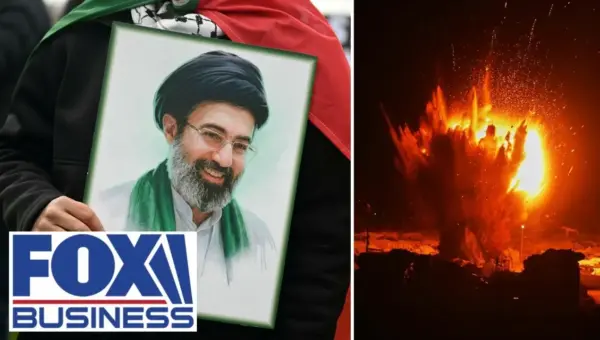
An Iranian human rights activist sharply criticized Democratic politicians for labeling former President Trump's potential military actions against Iran as war crimes. Goldie Ghamari argued that the Iranian regime itself is the true war criminal, citing its human rights abuses and use of citizens as human shields.

Iran’s Ceasefire Masks Deep Fear, Calls for Intervention
Despite a recent two-week ceasefire, Iranians remain deeply fearful of their regime's reprisal. An Iranian American doctor criticizes the government's brutality and calls for decisive action, comparing the situation to WWII. The U.S. claims military objectives are met, but questions remain about Iran's long-term safety and potential nuclear ambitions.
NATO Allies’ Betrayal Fuels Putin’s Dream
Many NATO allies hindered U.S. operations during the Iran conflict, revealing a lack of support that plays into Russia's goal of weakening the alliance. Eastern European nations remain loyal, but their influence is limited.