Records Destroyed? Lawsuit Fights Trump’s Document Demolition
A lawsuit has been filed by historical groups to prevent the destruction of presidential records, challenging a recent Justice Department memo that declared the Presidential Records Act unconstitutional. This legal battle aims to preserve historical evidence and ensure accountability.

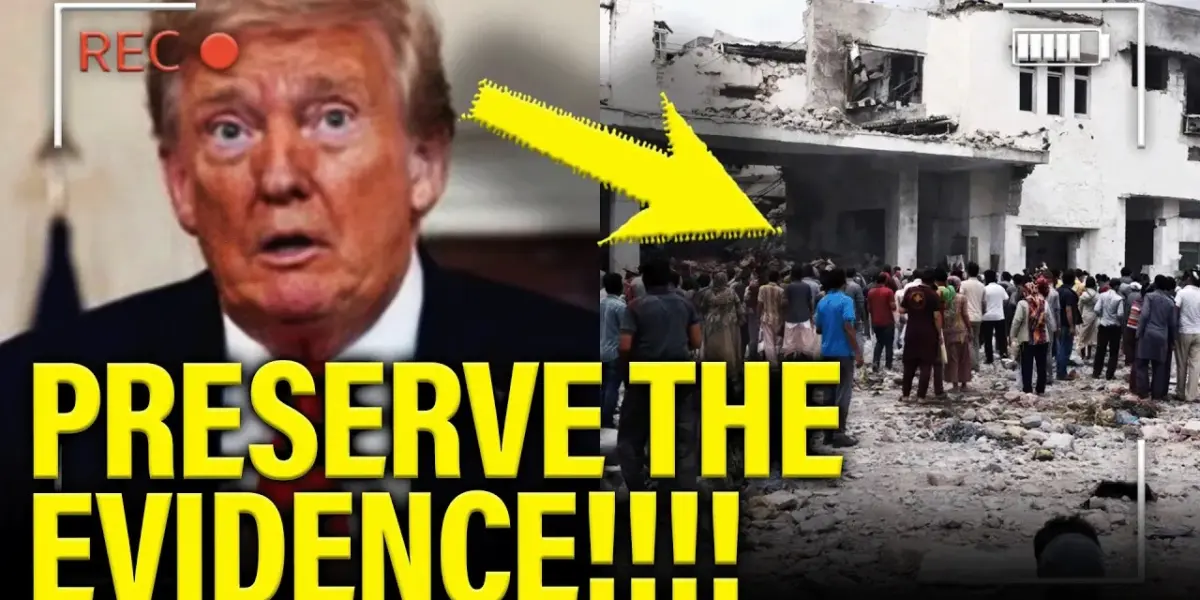
Documents Vanish? Lawsuit Fights Back Against Record Destruction
Imagine you’re writing a history book. You need old letters, diaries, and official papers to tell the true story. Now, imagine someone in power is shredding those papers, making it impossible to know what really happened. This is the core of a major legal fight happening right now, involving former President Donald Trump and his administration.
The Presidential Records Act: Why It Matters
Since the 1970s, after President Nixon faced issues with destroying documents, the United States has had a law called the Presidential Records Act. This law says that official records made by a president and their staff during their time in office are not personal property. Instead, these records belong to the American people. They are meant to be preserved so that history can be understood and leaders can be held accountable.
Think of it like this: when a school principal leaves their job, they don’t take all the school’s records with them. Those records show how the school was run, who did what, and why. The Presidential Records Act works the same way for the President of the United States. It ensures that future generations can look back and learn from the past.
A Bold New Claim: The Act is Unconstitutional?
Recently, a memo from the Department of Justice’s Office of Legal Counsel (OLC) made a surprising claim. It suggested that the Presidential Records Act is actually unconstitutional. This memo, if followed, would mean that the President and their administration could decide to destroy their own records. This directly challenges a law that has been in place for decades without serious question.
This is a big deal because the OLC’s opinions are usually seen as very important within the executive branch. If the OLC says the law doesn’t apply, it’s like a signal to the rest of the administration that they don’t have to follow it. This could lead to the destruction of potentially crucial historical evidence.
Who Can Stop Them? A Fight for Standing
To bring a lawsuit, a group needs to show they have “standing.” This means they must prove they have a direct stake in the case and would be harmed if the court doesn’t step in. It’s not enough to just be unhappy about something; you need to show how it personally affects you or your organization.
In this situation, two groups joined forces to sue: the American Historical Association and American Oversight. The American Historical Association is a nonprofit group founded in 1884. Its main goal is to promote the study of history and preserve historical materials. Many of its members are historians who rely on presidential records for their work. They argue they have standing because the destruction of these records directly harms their ability to research and understand American history.
The Lawsuit’s Argument: History and Democracy at Risk
The lawsuit filed by these groups argues that the executive branch is trying to ignore laws passed by Congress and even the decisions of the Supreme Court. They claim the administration is trying to take control of official government records, treating them as personal property rather than public assets. This, they say, undermines the very foundations of democracy and accountability.
The lawsuit points out that the Supreme Court has previously upheld a very similar law protecting presidential records. The OLC’s new opinion, however, simply dismisses the Supreme Court’s past ruling. This is seen by many as a dangerous move that disrespects the balance of power between different branches of government.
Why This Matters
This case is about more than just old documents. It’s about who controls our nation’s history and whether we, as citizens, have the right to know what our leaders did. If records can be destroyed at will, it becomes much harder to uncover wrongdoing, understand past decisions, or hold powerful people accountable. This could create a future where truth is easily hidden and history is rewritten by those in power.
Historical Context: The Shadow of Nixon
The Presidential Records Act was created in response to the Watergate scandal. President Nixon attempted to withhold and destroy tapes and documents related to the scandal. This led Congress to pass the Act in 1978, ensuring that presidential records would be preserved and eventually made public. The fact that this law is now being challenged by a presidential administration echoes the concerns that led to its creation.
Trends and Future Outlook
The challenge to the Presidential Records Act highlights a growing trend of questioning established norms and laws by political administrations. If this legal opinion stands, it could set a precedent for future presidents to claim greater control over their records, potentially leading to more widespread destruction of historical evidence. The outcome of this lawsuit could significantly impact how presidential accountability and historical transparency are managed in the future.
Legal experts worry that if courts don’t act quickly, valuable records could be lost forever. The speed at which these documents could be destroyed, if given the green light, is immense, making any later attempt to recover them impossible. This is why the urgency of the lawsuit is so critical.
A Broader Concern: The Constitution and Good Faith
Some legal scholars suggest that the Constitution relies on an unspoken principle of “good faith” – a commitment to honesty and fair dealing among the branches of government. When an administration declares a law unconstitutional by fiat, or simply decides to ignore Supreme Court rulings, it can be seen as a violation of this good faith. The “take care” clause of the Constitution requires the president to faithfully execute the laws. Ignoring established laws and court decisions goes against this fundamental duty.
The debate also touches on the nature of the Constitution itself. With its relatively few words, much of its meaning comes from how laws and court cases interpret it over time. If leaders decide to ignore these interpretations and past rulings, the framework of the Constitution can be weakened, leaving it open to manipulation and abuse.
Conclusion: Safeguarding Our Past for the Future
The lawsuit brought by the American Historical Association and American Oversight is a critical defense of public access to information and historical truth. It asks the courts to decide whether an administration can simply declare long-standing laws unconstitutional and proceed to destroy records that belong to all Americans. The stakes are high: the integrity of our history, the principle of accountability, and the strength of our democracy.
Source: WHOA! Trump SUED to PRESERVE WAR CRIME EVIDENCE?!! (YouTube)

Related Articles

Iran Ceasefire: Trump Halts Attack After Pakistan Talks
President Trump announced a two-week ceasefire with Iran following intense diplomatic efforts involving Pakistan. The move came just hours before a deadline for potential military action, after Iran used civilians as human shields. Lingering questions remain about the specifics of the agreement.
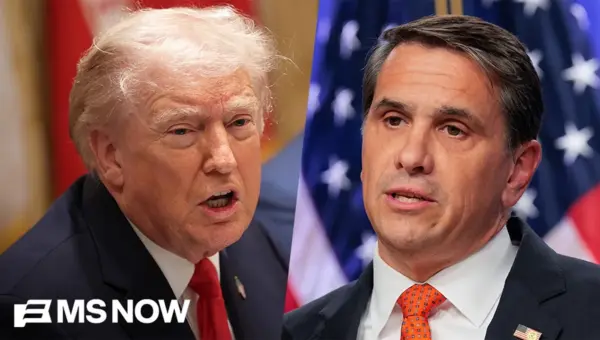
Elias: Acting AG Todd Blanche is a ‘Dangerous’ Liar
Legal analyst Marc Elias criticizes Acting AG Todd Blanche as a 'dangerous' and 'unusually good liar' for defending the Justice Department's actions. Elias argues that the DOJ is increasingly willing to pursue President Trump's enemies, marking a departure from historical norms and potentially weaponizing government power.
Dem Lawmaker Slams Trump’s Iran War as Dictatorial
A Democratic Congressman has criticized President Trump's decision to engage in a "war of choice" with Iran, likening the decision-making process to that of a dictatorship. He argues that a cabinet of "yes-men" and the disregard for historical restraint are leading to devastating economic consequences for Americans and damaging the nation's global standing.