Foreign Cash Floods US Colleges: What’s the Real Cost?
U.S. universities received over $5.2 billion in foreign gifts and contracts in 2025, with billions more reported since 1986. Major donors include Qatar, China, and Saudi Arabia, funding top institutions like Harvard and MIT. This trend raises concerns about academic freedom and potential foreign influence.

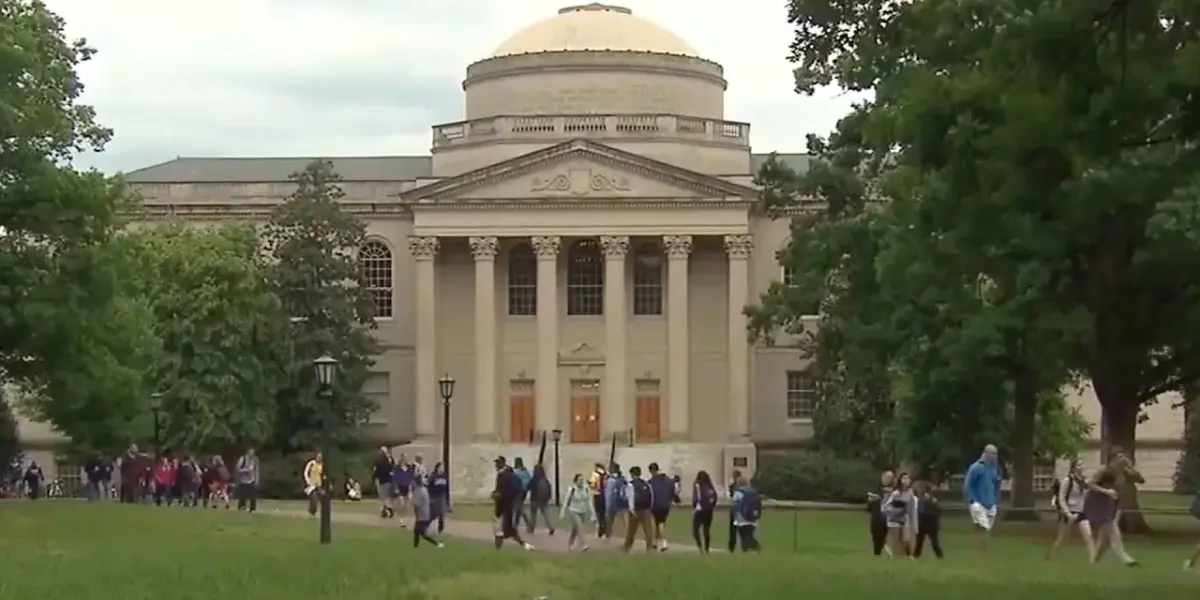
Foreign Cash Floods US Colleges: What’s the Real Cost?
American universities are pulling in serious money from abroad. The U.S. Department of Education recently shared data showing that colleges and universities received over $5.2 billion in foreign gifts and contracts just in 2025. This isn’t a new trend; these institutions have reported a staggering $67 billion in foreign funding since 1986. Universities are required by law to report any foreign gift or contract worth $250,000 or more each year.
Who’s Giving the Money?
The latest numbers reveal some major players. Qatar alone gave over $1 billion in 2025. China followed with more than $528 million, and Saudi Arabia contributed $285 million. These figures highlight the significant financial ties between U.S. higher education and foreign governments or entities. It’s a substantial amount of money flowing into some of the most prestigious academic institutions in the country.
Top Recipients of Foreign Funds
Several well-known universities are among the top recipients. Carnegie Mellon University, the Massachusetts Institute of Technology (MIT), Stanford University, and Harvard University all received large sums of foreign money. These institutions are often at the forefront of research and innovation, making them attractive partners for international funders.
Why This Matters
The influx of foreign funding raises important questions about academic freedom and national security. When universities rely heavily on money from foreign sources, there’s a risk that these funds could come with strings attached. This could influence research priorities, limit what topics can be studied, or even lead to a lack of transparency. For example, a country might fund research that benefits its own economic or political interests, potentially at the expense of U.S. interests. It’s like accepting a gift from a neighbor that requires you to always agree with them; eventually, your own opinions might start to fade.
Historical Context and Background
The requirement for universities to disclose foreign funding dates back to the Foreign Agents Registration Act (FARA) of 1938, but disclosure rules for educational institutions have evolved over time. The Higher Education Act of 1965, with amendments, specifically targets foreign gifts and contracts. These rules were strengthened to ensure universities were transparent about who was funding their operations and research. The goal was to prevent foreign influence from subtly shaping American education and research agendas. However, tracking and enforcing these disclosures has been an ongoing challenge for the Department of Education.
Implications, Trends, and Future Outlook
The trend of increasing foreign funding shows no signs of slowing down. As universities face rising costs and competition for research grants, foreign money becomes a tempting source of revenue. However, this reliance on foreign funds could create vulnerabilities. It might make U.S. universities hesitant to criticize certain foreign governments or to conduct research that these governments might find unfavorable. This could impact the free exchange of ideas, a cornerstone of academic life. Going forward, there will likely be increased scrutiny on these funding streams. Policymakers and the public will want to know more about the source of the money and any potential influence it wields. Universities may need to find a balance between welcoming international partnerships and safeguarding their independence and integrity.
Balanced Viewpoints
Supporters of foreign funding argue that it allows universities to undertake ambitious research projects that might otherwise be impossible. They also point out that international collaboration enriches the academic environment and prepares students for a globalized world. Many foreign-funded programs also benefit American students and researchers through scholarships and exchange opportunities. However, critics worry that the drive for funding can overshadow educational and research integrity. They argue that transparency is crucial, but even disclosed funding can still exert subtle pressures. The debate centers on where to draw the line between beneficial international engagement and undue foreign influence.
The Department of Education’s data reveals a complex financial picture for U.S. higher education, with billions in foreign funding raising questions about influence and transparency.
Source: US Universities, Colleges Received Billions in Foreign Funding (YouTube)

Related Articles


China’s Shadow Drones Test US Defenses
Sophisticated drones are being spotted near U.S. military bases, raising national security alarms. Experts believe China is behind these activities, using them to test defenses and gather intelligence as part of an "unrestricted warfare" strategy. Individuals are urged to educate themselves and reduce reliance on Chinese goods to counter this threat.

Spy Drones Test US Bases, Exposing Defense Weaknesses
Mysterious drones are being spotted near US military bases, acting in ways that suggest they are testing security protocols. Experts warn that inexpensive drone swarms could shut down air bases, exposing serious defense gaps. The rise in activity follows restrictions on Chinese surveillance cameras, raising concerns about foreign spying and the need for updated defenses.

Gingrich: War with Iran Risks American Cities
Former Speaker Newt Gingrich warns that failing to confront Iran could put American cities at risk. He compares the current situation to pre-WWII threats, urging decisive action to prevent catastrophic consequences.