Comedians Clash: New School vs. Old School
A heated debate is brewing in the comedy world about success. Newer comedians who gain fame online quickly are facing criticism from older generations who took years to build their careers. The discussion covers the evolution of comedy, the nature of online fame, and the envy that can arise from instant success.

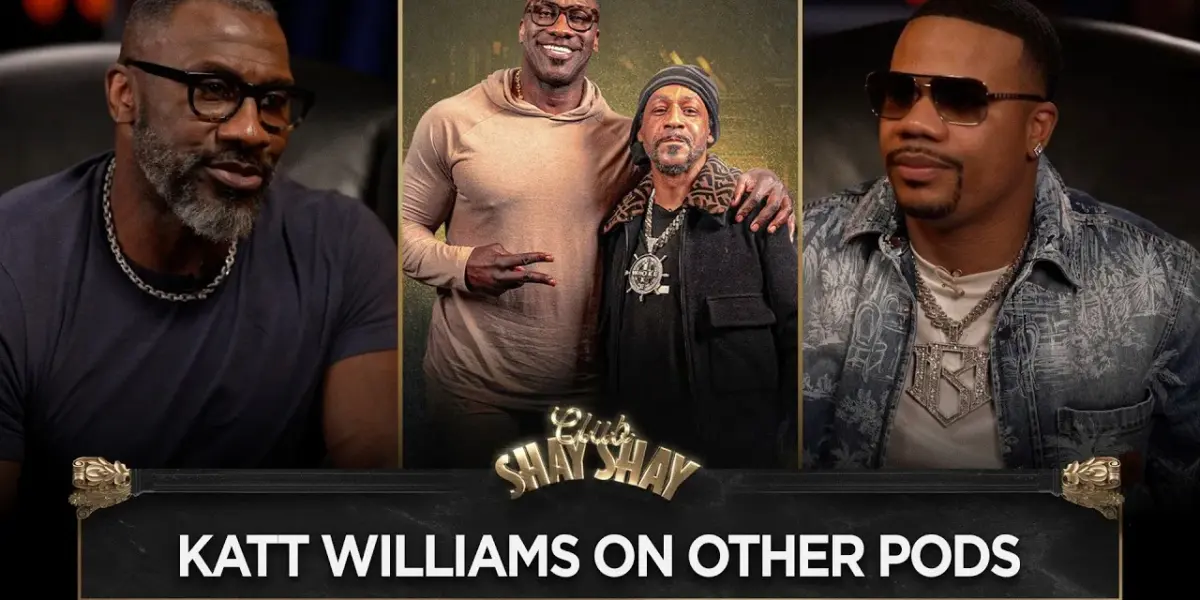
Comedians Clash: New School vs. Old School
The comedy world is buzzing, and it’s not just about punchlines. A debate is heating up between the established ‘OGs’ and the newer generation of online comedians. The core of the argument? How fast success can be achieved today versus the years of hard work it used to take.
The Digital Divide
Mojo Brookzz and his guest are talking about a big difference in how comedians build their careers now. Back in the day, comedians had to grind it out on the ‘Chitlin circuit,’ performing in small clubs for years to build a following. This meant being seen and chosen by the right people.
But today, things are different. Comedians can create funny skits or content online, like Desi Banks or Drewski, and gain millions of followers very quickly. This new path to fame has some of the older comedians feeling resentful. They put in years of work, and now it seems like new talent can reach stardom almost overnight.
“They had to go the Chitlin circuit, had to go little club, little club, little club for years and years and years in order to build up a following. You guys can do a skit or you can do something funny… and build up, get a million followers in little or no time.”
Comedy Has Evolved
The guest pushes back, saying this view is outdated. “Comedy has evolved,” they state. Just because someone makes skits online doesn’t mean their talent isn’t valid. Many successful online comedians, like DC Young Fly and Country Way, have proven they can also kill it on stage.
The argument is simple: if making skits is so easy, why aren’t the complaining ‘OG’ comedians doing it themselves? The guest points out that these online creators are essentially playing the same game but on a different field. If the online method was so simple, the older generation would have transitioned to it already.
The ‘Microwave Success’ Feeling
Mojo Brookzz agrees that older comedians often see this quick success as ‘microwave’ success. It feels instant, unlike the 10 or 15 years they spent building their careers. But the guest counters that they’ve been working for 12 years, with only the last four gaining major recognition. That means eight years of making skits and playing to small crowds of 50-80 people – a grind that shouldn’t be ignored.
The idea that it’s just setting up a camera and talking is a misconception. Andrew Schulz apparently told the guest that the easier people think it is to make money, the more envious they become. This envy can lead to unfair criticism.
Why the Envy?
The conversation touches on the intense workload. The guest mentions doing five shows a night on ‘Night Cap’ and two shows a week for ‘Club Shay,’ a demanding schedule. The core question remains: why get angry at someone for doing something you’re not willing to do?
This unwillingness, the guest suggests, leads to accusations of selling out or being part of conspiracies like the Illuminati. It’s a way to dismiss success that doesn’t fit their traditional view of the industry. The guest highlights the success of their podcast, noting that even big names like Katt Williams didn’t achieve the same numbers on other platforms.
“We saw I just seen Cat Williams on a few podcasts. None of them did… You know what I’m saying? So, it’s the ingredient in what you cooking with, right? You got the ingredient.”
The Art of Listening
A key part of the guest’s success on their podcast is their non-judgmental approach. They create a space where guests feel comfortable sharing their stories, sometimes revealing details they haven’t shared anywhere else. This contrasts with the idea of being ‘messy’ for reporting someone’s story; the guest argues it’s only messy if you only hear one side.
The focus is on listening, not interrupting or judging. When asked if they would have stopped Katt Williams from saying what he said, the guest points out that no one would have cut off such a major figure. The frustration comes from the podcast host not policing the guest’s words, even when those words might be controversial or one-sided.
Comedy Beef and Running Your Own Race
The comparison is made: comedy beef is just like the rap game. The guest recalls seeing comedians talking negatively about another comedian, only to later see them interacting normally. This suggests a lot of ‘hating’ goes on when someone becomes successful.
The sentiment is clear: people often only criticize or downplay success when someone is doing better than them. The advice is to focus on your own path. Like runners in Olympic lanes, each person has their own track. Looking at what others are doing is a distraction from your own journey.
“Man, run your race. Forget what he doing. Forget what he doing. What? Like why am I focused on what he’s doing? When I need to be putting more into to what I’m doing.”
Ultimately, the message is to stay in your lane, focus on your own career, and let things unfold as they may. The podcast aims to be a place for open conversation, encouraging listeners to subscribe and join the community.
Source: “Katt Williams was on a few podcasts. None of them did [your numbers].” – Mojo Brookzz (YouTube)

Related Articles

Comedian Rallies Behind Jack Funny After Stage Bomb
Comedian Mojo Brookzz shares his experience supporting fellow comic Jack Funny after a difficult set in front of 1,000 people. Brookzz emphasizes the importance of encouragement and shared his own career insights, including working with Tyler Perry.
Jack Black’s SNL Magic: Hilarious Skits Revealed!
Jack Black's unforgettable hosting gigs on Saturday Night Live are being celebrated, with fans revisiting his most hilarious sketches. From musical numbers to absurd characters, Black's energy and commitment shine through, making his SNL appearances comedy gold.

Epps Lets Comedian Close Show After Travel Nightmare
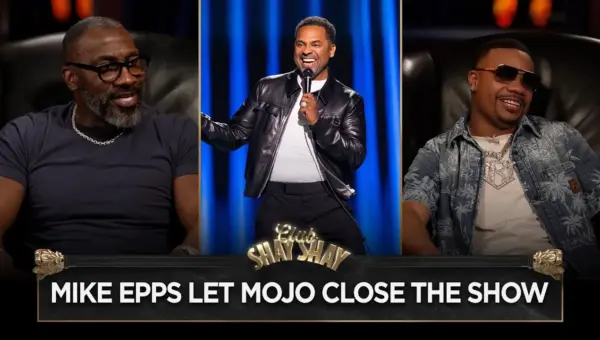
Mike Epps made a significant gesture of support by allowing Mojo Brookzz to close a show in Memphis after Brookzz endured a 12-hour travel delay. This act highlighted Epps's mentorship and the resilience of the young comedian.