Trump’s Rhetoric Sparks Calls for Removal Amidst Global Tensions
Donald Trump's recent inflammatory statements, particularly concerning Iran, have triggered widespread calls for his removal, even from unlikely figures. Critics point to his rhetoric and perceived cognitive decline as reasons to consider invoking the 25th Amendment or impeachment.

Trump’s Rhetoric Sparks Calls for Removal Amidst Global Tensions
Recent statements by former President Donald Trump have ignited a firestorm of criticism and concern, leading to unprecedented calls for his removal from public life. These calls, originating from a surprisingly wide spectrum of political figures and media personalities, highlight deep anxieties about Trump’s mental state and the potential consequences of his inflammatory language, particularly in the context of international relations.
Unusual Alliances Form Over Trump’s Statements
The intensity of the reaction is underscored by the unusual alignment of voices demanding action. Figures like Alex Jones and Marjorie Taylor Greene, often associated with fringe viewpoints, have joined mainstream Democrats and even some conservative commentators in expressing alarm. This broad consensus suggests a perceived crisis point, where even those with vastly different political agendas find common ground in their concern over Trump’s behavior.
If Alex Jones, Marjorie Taylor Greene, Tucker Carlson, you and me are aligned on an issue like removing Donald Trump from office because he’s going insane, that’s like we’re at Defcon one level like like seriousness.
This quote from the video’s narrator captures the gravity of the situation, suggesting that when such disparate individuals agree on a fundamental issue, it signals an extreme level of concern. The narrator emphasizes that if these figures are united in their belief that Trump is unstable and poses a threat, then the situation is dire.
The Iran Standoff and Escalating Threats
A key catalyst for the recent surge in criticism was Trump’s rhetoric regarding Iran. At one point, he issued a stark warning: “A whole civilization will die tonight, never to be brought back again. I don’t want that to happen, but it probably will.” This statement, made on his Truth Social platform, was widely interpreted as a direct threat of mass destruction.
However, this threat was later softened. Trump announced he was pulling back on his Iran threats for two weeks, contingent on Iran agreeing to a ceasefire and reopening the Strait of Hormuz. He claimed that a deal had been reached, though the specifics and the extent of Iran’s agreement remain unclear. This pattern of issuing extreme threats and then partially retracting them has become a recurring theme, leaving many to wonder if the underlying tension will simply be postponed rather than resolved.
Calls for the 25th Amendment and Impeachment
In response to these alarming statements, a significant number of House Democrats, along with some Senators, have called for Trump’s removal through impeachment or invoking the 25th Amendment. The 25th Amendment allows for the removal of a president who is unable to discharge the powers and duties of their office. Governor JB Pritzker is among the prominent figures who have explicitly stated that there is “something genuinely wrong with this man” and that the 25th Amendment ought to be invoked.
The narrator highlights the difficulty of invoking the 25th Amendment, noting that it requires a two-thirds majority in both the House and the Senate, making it a more challenging process than impeachment. This procedural hurdle adds another layer of complexity to the calls for Trump’s removal.
Concerns About Domestic Priorities
Beyond foreign policy pronouncements, Trump’s remarks have also drawn criticism for their apparent disregard for domestic needs. In a leaked video from a closed-door session, Trump questioned the ability of the U.S. to fund domestic programs like daycare, Medicaid, and Medicare, suggesting that these responsibilities should fall to individual states. He argued that the country needs more money for wars, implying that these social programs are a lower priority.
This stance has been framed by critics as a betrayal of his base’s supposed commitment to focusing on American citizens at home. The narrator points out the stark contrast between Trump’s previous promises of “no new wars” and a focus on domestic issues, and his current rhetoric that prioritizes funding for international conflicts over the needs of Americans struggling with healthcare costs and childcare.
Debate Over Cognitive Decline
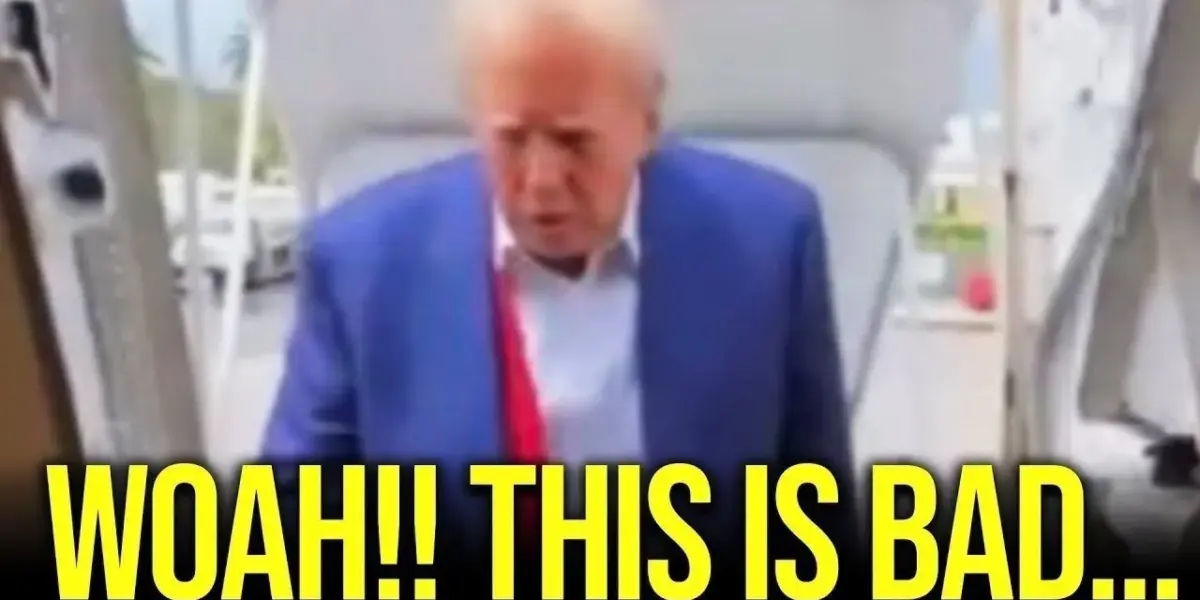
The discussion around Trump’s mental fitness has become increasingly prominent. The narrator suggests a noticeable cognitive decline in Trump’s public appearances, contrasting his demeanor in recent years with his presentation in 2021. This perception is amplified by instances like a video showing Trump struggling to sign a document, relying on an autopen, which the narrator contrasts with Biden’s use of the same technology.
Another anecdote that has been used to illustrate this point involves a public attempt by Senator JD Vance to have Trump join him on a phone call during an event. Trump did not answer the call, and the voicemail box was not set up, an incident the narrator describes as both embarrassing and telling of a broader pattern of behavior.
Historical Context and Future Outlook
The debate over a president’s fitness for office is not new in American history, though the specific circumstances surrounding Donald Trump are unique. The use of the 25th Amendment has been rare, and calls for its invocation against a former president who is seeking office again present a novel challenge for the political system.
The current discourse, marked by extreme rhetoric and broad bipartisan (and even cross-ideological) concern, suggests a critical juncture. The willingness of figures like Alex Jones and Marjorie Taylor Greene to align with Democrats on this issue indicates the perceived severity of the situation. As the political landscape continues to evolve, the questions raised about leadership, rhetoric, and national security will likely remain at the forefront of public discussion.
Why This Matters
The ongoing controversy surrounding Donald Trump’s statements and perceived mental state has significant implications for both domestic politics and international relations. The repeated instances of inflammatory rhetoric, particularly regarding the potential for mass destruction, raise serious questions about a leader’s temperament and judgment. The fact that such concerns are being voiced by a diverse group of individuals, including those who have previously been staunch supporters, highlights the extraordinary nature of the situation.
Furthermore, the debate over Trump’s fitness for office, whether through the 25th Amendment or other means, reflects a broader societal concern about the tone and substance of political discourse. The potential impact of such rhetoric on global stability and the erosion of trust in institutions cannot be overstated. The current moment demands careful consideration of the qualities required for leadership and the potential consequences of unchecked inflammatory language in positions of power.
Source: Trump Loses His Mind as Everything Implodes (YouTube)

Related Articles

Trump’s MAGA Allies Now See His Failings
As Donald Trump faces growing criticism, even his former MAGA allies are starting to voice regret. Confusing messages on foreign policy and the handling of sensitive issues like the Epstein files are causing voters to question his leadership. This shift could significantly impact future elections.


Trump Halts Iran Attacks, Seeks 2-Week Ceasefire Deal
President Trump announced a two-week ceasefire in Iran, halting threatened attacks and seeking a deal for the safe opening of the Strait of Hormuz. This dramatic shift follows earlier escalations and international concern, with differing accounts emerging on the specifics of the agreement.

Trump’s Iran Deadline Looms: Pentagon Eyes ‘Dual-Use’ Targets
President Trump has issued a stern deadline to Iran, threatening "civilization's" demise if a deal isn't reached to reopen the Strait of Hormuz. The Pentagon has presented options including dual-use civilian infrastructure targets, sparking international concern and diplomatic efforts for a two-week extension. The conflict's economic impact is also growing, with fertilizer shortages threatening global food prices.