War Fears Chill Housing Market, Buyers Flee
Rising economic fears and a jump in mortgage rates are significantly dampening buyer demand this spring. Home prices are becoming a lesser concern for buyers, as affordability and job security take center stage. Homes are sitting on the market longer as hesitant buyers pull back.

War Fears Chill Housing Market, Buyers Flee
The important spring housing market is usually a busy time for real estate. However, recent events, particularly the war with Iran, have significantly cooled buyer interest across the U.S. This shift is driven by growing concerns over the economy and rising mortgage rates, pushing home prices down the list of buyer worries.
According to a recent CNBC Housing Market survey, only 9% of real estate agents reported that their buyers were most concerned about home prices. This figure is a sharp drop from the 18% seen in the previous quarter. This decline in price sensitivity comes even as nearly twice as many agents reported home prices increasing in the first quarter compared to the last.
Economy and Rates Trump Home Prices
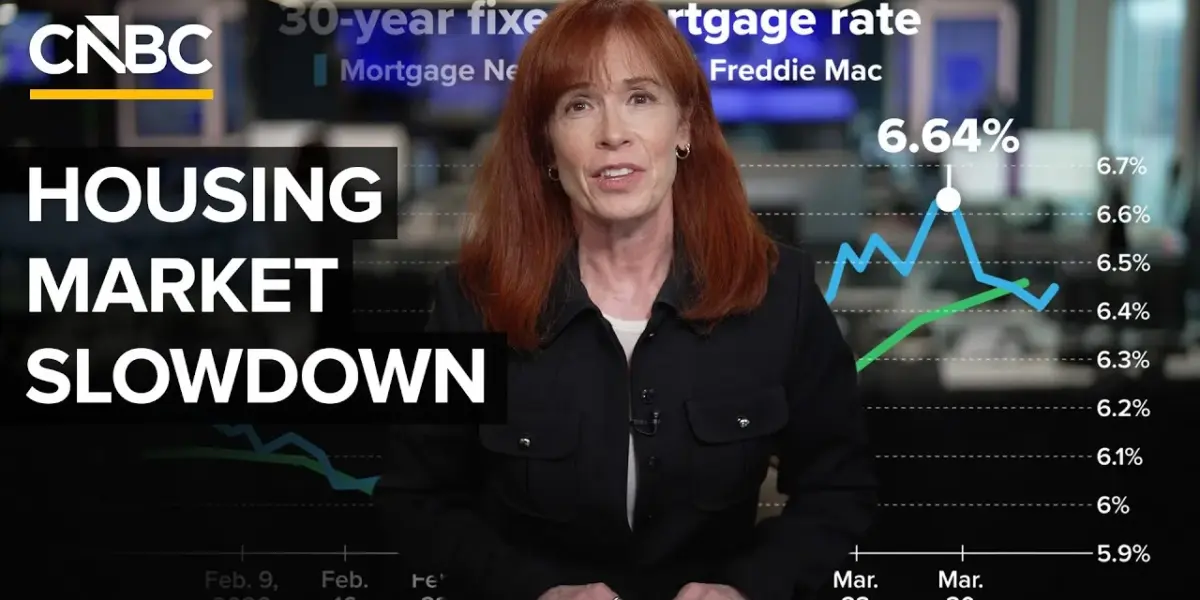
Concerns about the broader economy and the cost of borrowing are now front and center for potential homebuyers. Mortgage rates have climbed significantly. The average rate for a 30-year fixed mortgage jumped from about 5.99% just before the war began to around 6.6% recently. This increase makes buying a home much more expensive.
“They’re fearful of the war. They’re fearful of gas prices, their job security,” one agent noted, reflecting a widespread sentiment among buyers. Fears about job security are also amplified by ongoing discussions about artificial intelligence potentially replacing human workers in various industries. These economic uncertainties are directly impacting affordability, a key factor for many households.
Affordability Crisis Grows
The issue of affordability is pushing more buyers out of the market. In the first quarter, 19% of agents reported that affordability was a major concern for buyers. This is a significant jump from just 11% at the end of last year. High prices combined with higher interest rates make it much harder for people to afford a home.
More than half of all agents surveyed reported at least one contract cancellation during the quarter. This suggests that buyers who were considering a purchase are now hesitant. They are choosing to wait rather than commit to buying a home in the current uncertain climate.
Homes Sit Longer, Sellers Hesitate
As buyer demand weakens, homes are staying on the market for longer periods. In the first quarter, 31% of agents reported that their listings were on the market for more than six weeks. This is up from 26% in the last quarter of the previous year. Homes are not selling as quickly as they used to.
Some sellers are struggling to accept the current market conditions. One agent shared a story where a seller refused to lower their price to meet market demand, ultimately pulling the house off the market. Another seller rejected two good offers because they were unwilling to accept anything less than their full asking price. This indicates a disconnect between some sellers’ expectations and what buyers are willing to pay.
Seller Concerns Shift
While sellers are still concerned about prices, their worries about how long a home will take to sell are increasing. At the end of last year, nearly half of agents said prices were their sellers’ top concern. Fewer agents reported price cuts in the first quarter, but this might be a seasonal trend. Mortgage rates also briefly dropped below 6% in the first quarter, which temporarily boosted buyer purchasing power and may have reduced the need for price reductions.
Fewer homes needed to be delisted compared to the fourth quarter. That quarter saw more frustrated sellers due to a slower-than-usual fall market. Despite the rising concerns over the economy and interest rates, agents still described the market as either a buyer’s market or balanced in the first quarter. However, the share of homes considered a buyer’s market did decrease, possibly reflecting the new challenges buyers face.
Future Outlook Uncertain
Looking ahead, the future of the housing market remains uncertain. While just over half of agents expect the market to improve, this optimism is significantly lower than at the end of last year, before the war began. Many more agents now expect the market to stay the same. This expectation is notable because it comes at the start of the typically busiest season for housing sales.
Some potential sellers are delaying their plans. Two sellers who intended to list their homes in May have decided to wait until later in the summer or even the fall. They initially thought spring would be the best time to sell but now feel less confident. They prefer to wait and see how the market develops before listing their properties.
Market Impact
The ongoing war and its economic ripple effects are creating significant headwinds for the housing market. Higher mortgage rates directly reduce how much buyers can afford to borrow, effectively lowering demand. Fears about job security and inflation make consumers more cautious about making large purchases like a home.
This combination of factors leads to longer selling times and puts downward pressure on prices, although some sellers are still resistant to lowering their expectations. The shift from a seller-favored market to one where buyer hesitancy is growing is a key development.
What Investors Should Know
For real estate investors, the current environment suggests a need for caution. The decrease in buyer demand and longer market times could present opportunities for those looking to purchase properties at potentially lower prices. However, the economic uncertainties and rising interest rates pose risks.
Investors should closely monitor inflation data, interest rate movements, and employment figures. These economic indicators will heavily influence the housing market’s trajectory. The willingness of sellers to adjust prices to meet market realities will also be crucial. A prolonged period of high rates and economic anxiety could lead to more significant price corrections.
Source: Why Realtors Are Worried About The Iran War (YouTube)

Related Articles


Dem Lawmaker Slams Trump’s Iran War as Dictatorial
A Democratic Congressman has criticized President Trump's decision to engage in a "war of choice" with Iran, likening the decision-making process to that of a dictatorship. He argues that a cabinet of "yes-men" and the disregard for historical restraint are leading to devastating economic consequences for Americans and damaging the nation's global standing.


Home Tours Plummet, Signaling Market Shift for Sellers
Home tours have dropped significantly, hitting a decade low for February. This signals a cooling market where sellers may need to adjust price expectations. The trend reflects broader economic factors impacting buyer demand and regional market variations.


US Faces Rising Business Fires: A Growing Economic Threat
Massive fires are increasingly engulfing businesses across the US, posing a significant economic threat. From industrial blazes in California to hazardous material incidents in Los Angeles, these infernos endanger livelihoods and communities. The growing danger highlights the immense risks faced by firefighters and the critical need for enhanced prevention and response strategies.