Iran Offers Ceasefire for Attack Halt; China Aids Pakistan
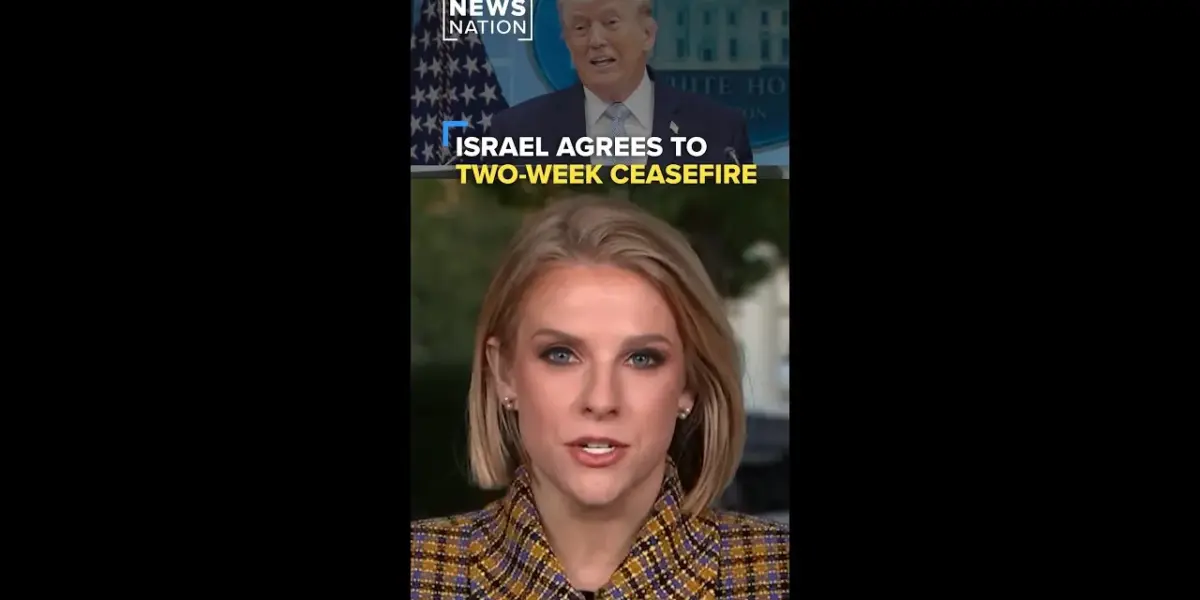
Iran has offered a conditional ceasefire, stating its forces will stop defensive actions if attacks against Iran cease. The nation also linked safe passage through the Strait of Hormuz to coordination with its military. China reportedly assisted Pakistan in advancing this proposal, encouraging Iranian flexibility. White House officials confirmed Israel has also agreed to the ceasefire.

Iran Offers Ceasefire for Attack Halt; China Aids Pakistan
Iran’s top diplomat has announced a potential ceasefire, but with a clear condition: attacks against Iran must stop first. The Foreign Minister stated on X, the social media platform formerly known as Twitter, that Iran’s armed forces would end defensive actions if assaults on their territory cease. This statement signals a possible de-escalation in a region already tense with conflict and strategic maneuvering.
The Iranian Foreign Minister also added a specific point about the Strait of Hormuz. He indicated that safe passage through this vital waterway depends on coordination with Iran’s military and understanding technical limits. This statement comes as the U.S. President has also stressed the need for the Strait to remain open for any ceasefire agreement to move forward. The U.S. position highlights the critical importance of this shipping lane for global trade and energy flow.
Adding another layer to this developing situation, The New York Times is reporting that China played a role in advancing a ceasefire proposal from Pakistan. According to reports, the Chinese government actively encouraged Iran to show flexibility. This involvement suggests China’s strategic interest in regional stability and its willingness to use its influence to mediate conflicts. Pakistan’s proposal, now reportedly backed by Chinese diplomacy, aims to bring an end to hostilities.
Sources from the White House have also confirmed that Israel has agreed to the ceasefire. This agreement from Israel, if it holds, represents a significant development. It indicates a willingness from all major parties involved to pause military operations, provided the conditions are met. The exact details of the agreement and the specific terms of engagement remain unclear, but the initial signals point towards a potential reduction in fighting.
Motivations and Interests of Key Players
Iran appears motivated by a desire to end external attacks and potentially gain leverage in regional disputes. By linking a ceasefire to the halting of attacks, Iran asserts its right to self-defense and seeks to control the narrative around ongoing conflicts. The statement on the Strait of Hormuz also demonstrates Iran’s intent to maintain control over a critical chokepoint, using it as a bargaining chip. Iran’s actions are also influenced by international pressure and the economic impact of sustained conflict.
Israel, by agreeing to the ceasefire, likely seeks to reduce immediate military pressure and potentially reassess its strategic objectives. While Israel has often prioritized security operations, a ceasefire could offer a chance to consolidate gains or explore diplomatic avenues. The agreement could also be a response to international calls for de-escalation and a desire to avoid further regional entanglement.
China is motivated by its broad economic and strategic interests in the Middle East. As a major energy consumer, China relies on stable oil and gas supplies, many of which pass through the Strait of Hormuz. Promoting a ceasefire aligns with China’s stated policy of non-interference but also serves its practical need for secure trade routes and regional stability. China’s growing diplomatic role, as seen in its support for Pakistan’s proposal, reflects its increasing global influence.
Pakistan, a nation with significant security concerns and economic ties to the region, is likely seeking to reduce regional instability that could spill over or impact its own interests. By proposing a ceasefire and seeking support from China, Pakistan aims to play a constructive role in de-escalation, potentially enhancing its own diplomatic standing and regional security.
The United States, as stated by the President, prioritizes the unimpeded flow of trade, particularly through the Strait of Hormuz. The U.S. also seeks to prevent wider regional conflicts that could draw in its allies and disrupt global energy markets. Washington’s engagement, whether direct or indirect, aims to achieve stability that serves its geopolitical and economic interests.
Global Impact
This potential ceasefire, if it holds, could significantly impact global energy markets and international shipping. The Strait of Hormuz is a crucial artery for oil and gas, and any disruption can lead to price spikes and supply shortages worldwide. A de-escalation would likely stabilize these markets, benefiting economies that rely on imported energy. Furthermore, a reduction in regional conflict could ease humanitarian concerns and create space for diplomatic solutions to longer-standing issues.
Historical Context
The strategic importance of the Strait of Hormuz has been a recurring theme in international relations for decades. Its narrow passage has made it a focal point for naval activity and a potential choke point during times of tension. Iran has historically asserted its right to control or influence passage through the strait, often using it as a tool in its foreign policy. Past incidents and naval standoffs in this area have frequently led to international concern and diplomatic interventions, highlighting the enduring significance of this waterway.
Economic Leverage
The mention of sanctions and economic pressure is implicit in the broader context of Middle Eastern conflicts. While not detailed in this specific transcript, economic tools are often used by global powers to influence the behavior of regional actors. Iran, for example, has faced extensive sanctions, impacting its economy and its ability to conduct international trade. Conversely, the stability of trade routes like the Strait of Hormuz is vital for many nations, giving them economic leverage to push for peace.
Future Scenarios
One likely scenario is that the ceasefire holds, leading to a period of reduced hostilities. This could allow for further diplomatic talks and a gradual easing of tensions. Another possibility is that the ceasefire is fragile, breaking down quickly due to misunderstandings or deliberate provocations. In this case, the region could see a return to heightened conflict. A third scenario involves the ceasefire holding but with ongoing disputes over the specifics, particularly concerning the Strait of Hormuz, leading to a tense stalemate rather than lasting peace.
Source: Israel agrees to two-week ceasefire | Vargas Reports (YouTube)

Related Articles


Trump’s Iran Deal: Bold Tactics Yield Fragile Peace
A panel discusses President Trump's Iran ceasefire deal, a special election in Georgia, the DOJ's renewed fight against fraud, and Trump's relationship with Hungarian Prime Minister Viktor Orbán. Analysts debate Trump's negotiation tactics, the implications of the Georgia race, and the U.S.'s foreign policy stance.

Trump Halts Iran Attacks, Seeks Peace Deal
President Trump has agreed to a two-week suspension of attacks on Iran, contingent on Iran reopening the Strait of Hormuz. This move comes as the U.S. reports progress on a peace proposal and highlights the Iranian people's desire for freedom.

US-Iran Ceasefire Holds Amid Tensions, Strait of Hormuz Key
The US and Iran have agreed to a two-week ceasefire, brokered by Pakistan, with the crucial condition that Iran reopens the Strait of Hormuz. This development impacts global oil and gas supplies, as well as food security through fertilizer transport. However, concerns remain about potential Iranian mobilization and compliance, particularly following reports of post-ceasefire missile launches.