Trump Halts Iran Attack, Cites Ceasefire Amid Legal Battles
President Trump announced a two-week ceasefire with Iran, halting threatened military action and citing a workable negotiation basis. This foreign policy shift occurs amid internal DOJ challenges, with new acting AG Todd Blanche facing scrutiny over his approach to investigations and perceived partisan stances.

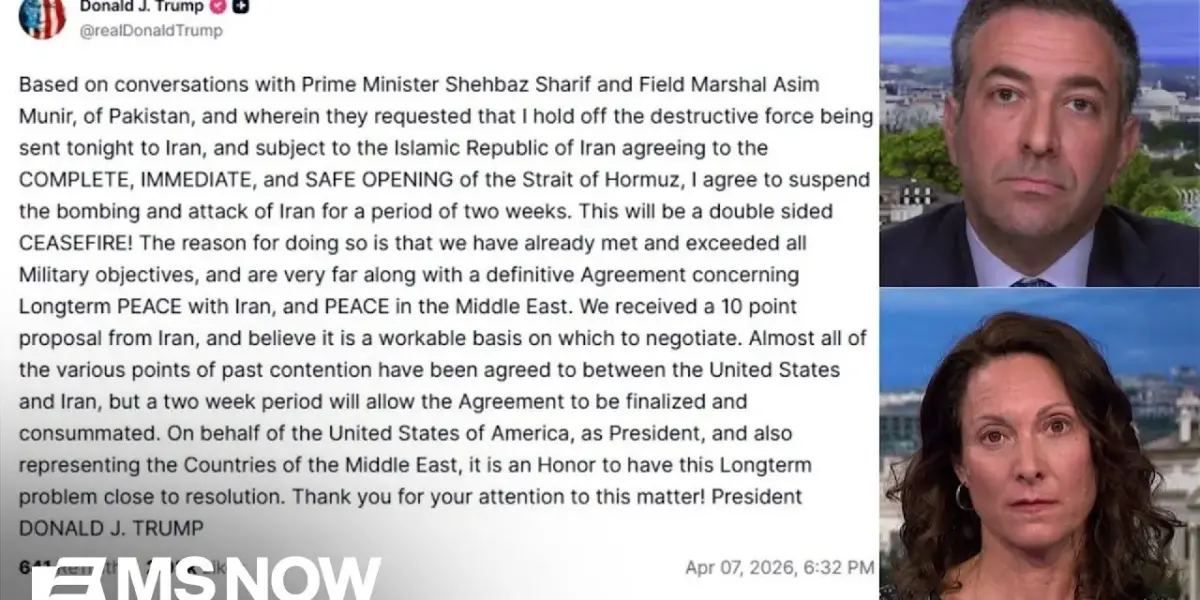
Trump Claims Ceasefire with Iran, Delays Military Action
President Trump announced a significant shift in U.S. foreign policy regarding Iran, claiming a two-week ceasefire is in effect. This announcement came just over an hour before a previously threatened deadline for military action against Iran. The president stated he has suspended bombing and attacks for a period of two weeks, calling it a “double-sided ceasefire.” This move follows alleged conversations with Pakistan, acting as an intermediary between the two nations.
Trump asserted that U.S. military objectives have already been met. He also mentioned receiving a 10-point proposal from Iran, which he believes provides a workable basis for negotiations. According to the president, an agreement is already in motion, and the two-week period will allow for its finalization. This development could mark a major de-escalation in the ongoing conflict, especially if the ceasefire holds.
Foreign Policy Shift Amid Controversy
The president’s decision represents a departure from his earlier threats, which drew criticism for potentially targeting civilians and violating international war conventions. The style of this diplomatic announcement is typical of President Trump, often made through social media posts rather than official State Department channels or public addresses.
This development is being closely watched for Iran’s response and for confirmation of the ceasefire’s terms. A sustained two-week period without fighting would be a significant achievement, potentially impacting global energy markets. The Strait of Hormuz, a crucial shipping lane for global energy supplies, has been a point of concern in the escalating tensions.
DOJ Setbacks and New Leadership
The news also coincides with developments within the Department of Justice (DOJ). Todd Blanche has been named the new acting attorney general, replacing Pam Bondi. Blanche’s initial public appearances have focused on discussing criticism of an alleged “enemies list” – individuals and entities the president has previously expressed issues with and believes should be investigated.
Blanche stated his intention to uphold the president’s agenda and priorities, emphasizing a commitment to justice. However, critics, like Emily Bazelon of The New York Times Magazine, have expressed concern that Blanche’s approach sounds more like a partisan spokesperson than an independent DOJ official. Bazelon noted that discussions of justice often seem to start with identifying targets, rather than with the evidence needed to build a case.
Concerns Over Evidence and Due Process
Bazelon highlighted that in many cases the president has pursued, the evidence has been thin. Grand juries have reportedly rejected evidence, and courts have dismissed charges. This raises questions about the basis for pursuing investigations and indictments, particularly when legal processes seem to prioritize pre-determined targets over the standard requirement of evidence.
Pam Bondi’s tenure as acting attorney general was described as rocky and ineffective, marked by lost cases and struggles at the Supreme Court. The challenges she faced, including failed attempts to indict the New York Attorney General and dropped federal charges against Mayor Raz Baraka, suggest a pattern of difficulties within the division.
Epstein Case and Potential Client List
The discussion also touched upon the Jeffrey Epstein case. Blanche, who previously defended against the release of Epstein’s client list, stated that a memo on the matter indicated no such list existed. This part of the conversation drew skepticism, with questions raised about the effectiveness of past legal efforts and the handling of sensitive information.
The article suggests that the DOJ may be facing internal challenges, with new leadership stepping into roles that have proven difficult. The effectiveness of these new appointments will likely be judged by their ability to navigate complex legal battles and meet the president’s expectations, while also upholding the principles of justice and due process.
Looking Ahead
The coming weeks will be crucial in determining whether the claimed ceasefire with Iran holds and leads to a lasting de-escalation. Simultaneously, the performance and independence of the DOJ under its new acting leadership will be closely scrutinized. The intersection of foreign policy and domestic legal battles presents a complex landscape that will continue to unfold.
Source: Trump backs down on Iran threat, claims ceasefire amid DOJ setbacks (YouTube)

Related Articles


Ceasefire Sparks Hope for Crypto Market Rebound
A recent ceasefire has sparked renewed optimism in the crypto markets, prompting analysts to examine technical indicators for signs of a sustained rebound. While geopolitical calm can boost investor confidence, the long-term outlook also depends on regulatory clarity and broader adoption trends. The upcoming launch of the Commonwealth Union Blockchain Network adds another layer of interest to the evolving digital asset space.

Trump’s Iran Deal: Bold Tactics Yield Fragile Peace
A panel discusses President Trump's Iran ceasefire deal, a special election in Georgia, the DOJ's renewed fight against fraud, and Trump's relationship with Hungarian Prime Minister Viktor Orbán. Analysts debate Trump's negotiation tactics, the implications of the Georgia race, and the U.S.'s foreign policy stance.


Trump Halts Iran Attacks, Seeks Peace Deal
President Trump has agreed to a two-week suspension of attacks on Iran, contingent on Iran reopening the Strait of Hormuz. This move comes as the U.S. reports progress on a peace proposal and highlights the Iranian people's desire for freedom.