China’s Power Play: Xi’s Grip Loosens?
The unexplained removal of high-ranking official Ma Xingrui from China's Politburo suggests a potential shift within the Communist Party. Unusual silence from key leaders and speculation about competing power centers hint at a significant political event.

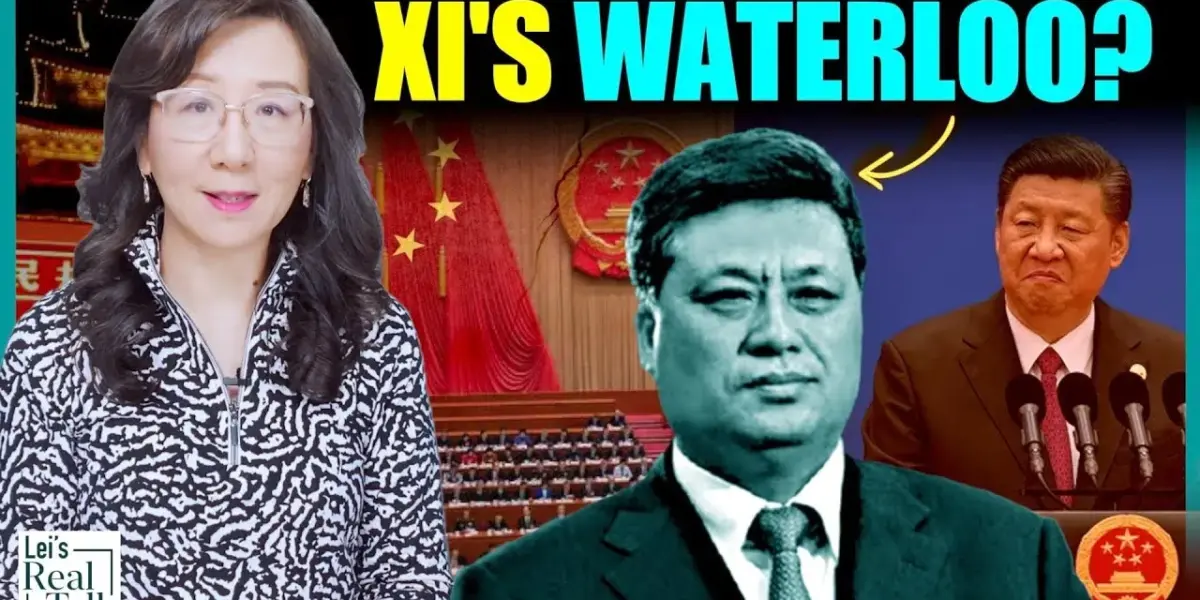
Beijing’s Puzzle: Ma Xingrui’s Fall Shakes CCP
Something unusual is happening in China’s government. Ma Xingrui, a high-ranking official, has disappeared from public view. This isn’t just a normal firing. It might show that the powerful Communist Party (CCP) is changing in important ways. Ma Xingrui was a member of the Politburo, a very important group. His removal was strange, and the official reason given was vague. Key leaders have stayed silent, which is also odd. Some people think this decision might not have even come from Xi Jinping, China’s top leader.
What Really Happened Behind the Scenes?
The exact reasons for Ma Xingrui’s removal are unclear. However, there are signs that point to deeper issues within the party. These signs involve the connections between powerful people, different groups within the CCP, and even the possibility that there isn’t just one person making all the big decisions in Beijing anymore. If even Xi Jinping’s closest allies are not safe, this event could be a major turning point for China’s politics.
Elite Networks and Internal Factions
Chinese politics often relies on complex webs of relationships and loyalty. Officials often rise through the ranks based on who they know and which political faction they belong to. These factions can be like different teams within the party, each with its own interests and goals. When an official like Ma Xingrui is removed unexpectedly, it can signal a struggle between these factions. It might mean one group is trying to gain more power or push out rivals.
The Silence from Power Centers
In China’s political system, major decisions are usually announced clearly. When a high-profile figure is removed, the party typically explains why. The lack of a clear explanation for Ma Xingrui’s absence is a red flag. It suggests that there might be disagreement or uncertainty about the decision. This silence from important parts of the government, like the Politburo Standing Committee, makes people wonder who is really in charge and what is going on.
Two Centers of Authority?
One of the most surprising ideas is that Xi Jinping might not be the only source of power in China. For a long time, Xi has been consolidating his control, becoming the most powerful leader since Mao Zedong. However, if Ma Xingrui’s removal was decided by others, it could mean that other powerful individuals or groups are also making important choices. This would be a significant change from the current system where Xi’s authority seems absolute. It could create instability and make future decisions harder to predict.
Why This Matters
The political stability of China affects the entire world. As the second-largest economy, changes in its leadership and decision-making processes have global consequences. If the CCP is experiencing internal power struggles, it could impact trade, international relations, and global security. Understanding these shifts is crucial for businesses, governments, and anyone trying to make sense of the global stage.
Historical Context: Purges in the CCP
Purges, or the removal of political opponents, are not new to the Chinese Communist Party. Throughout its history, leaders have used purges to strengthen their power and eliminate threats. Figures like Mao Zedong and Deng Xiaoping both carried out significant purges. Xi Jinping himself has overseen a major anti-corruption campaign that removed many officials, which critics argue was also a way to consolidate his power. However, the circumstances surrounding Ma Xingrui’s removal seem different from typical purges. The unusual silence and the suggestion that the decision might not be Xi’s alone set this event apart.
Implications and Future Outlook
If the idea of competing power centers is true, it suggests that Xi Jinping’s absolute control might be facing challenges. This could lead to more uncertainty within the party and potentially slower decision-making. For the international community, this means China’s policies might become less predictable. It could also mean that different factions within China might try to influence foreign policy in different ways. The future outlook depends on how these internal dynamics play out. Will Xi reassert his authority, or will a more complex power structure emerge?
A Turning Point for Beijing?
The events surrounding Ma Xingrui’s fall are still unfolding. The lack of clear information makes it difficult to say for sure what has happened. However, the unusual nature of the situation strongly suggests that something significant has shifted within the highest levels of the CCP. Whether this leads to a more fragmented or a more stable leadership structure remains to be seen. For now, it serves as a stark reminder that even in seemingly tightly controlled systems, power dynamics can be complex and surprising.
Source: If Xi Didn’t Take Down Ma Xingrui… What Just Happened? (YouTube)

Related Articles


China’s Shadow Drones Test US Defenses
Sophisticated drones are being spotted near U.S. military bases, raising national security alarms. Experts believe China is behind these activities, using them to test defenses and gather intelligence as part of an "unrestricted warfare" strategy. Individuals are urged to educate themselves and reduce reliance on Chinese goods to counter this threat.
Taiwan Opposition Leader Visits China Amid Rising Tensions
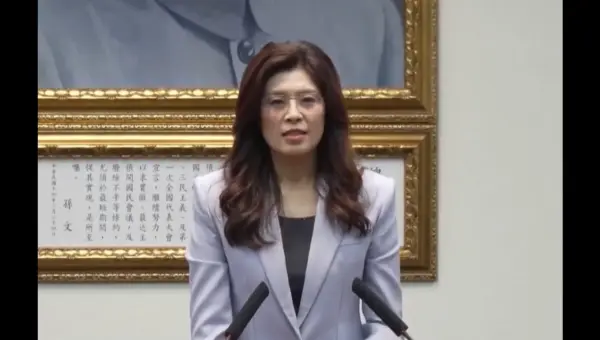
Taiwan's opposition leader's visit to China is drawing criticism amid rising regional tensions. The trip occurs as China increases pressure on the island, while US lawmakers double down on support for Taiwan's defense. The controversy highlights the delicate geopolitical balance and Taiwan's internal political divisions.

US Tech Dominance Signals China: We Can Shut You Down
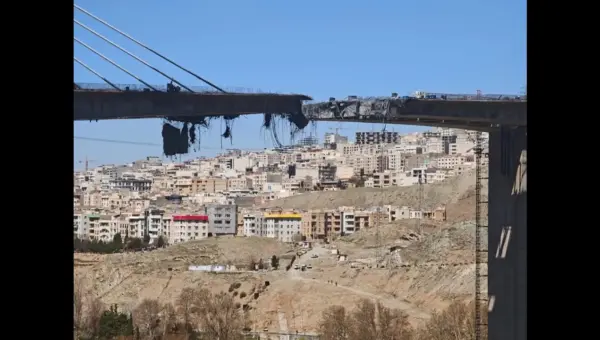
The successful rescue of US airmen from Iran showcases America's advanced technological superiority, sending a clear message to China that it can be shut down anytime. This capability serves as a crucial deterrent in global politics.