Trump’s Iran Deal: A Stunning Capitulation or Strategic Pause?
President Trump announced a two-week ceasefire with Iran, a move Iranian media calls a "crushing defeat" for the US. The agreement reportedly accepts Iran's 10-point framework, including uranium enrichment and control of the Strait of Hormuz. International reactions are mixed, with allies expressing shock and reports of immediate post-ceasefire escalations.

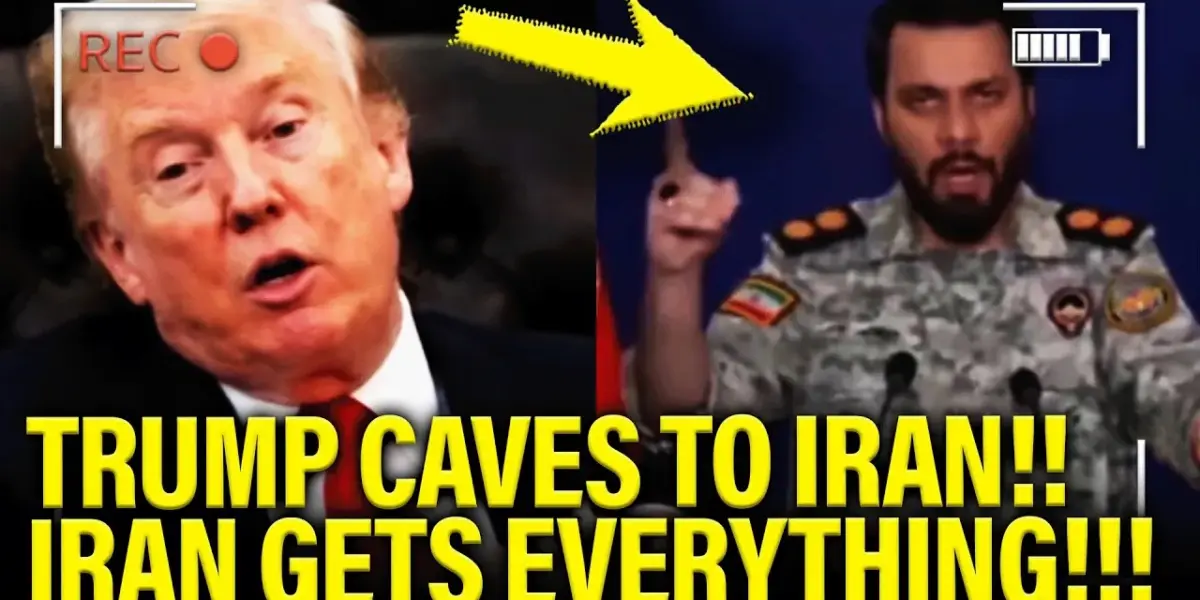
Trump’s Iran Deal: A Stunning Capitulation or Strategic Pause?
In a move that has sent shockwaves through international diplomacy, President Donald Trump announced a two-week ceasefire with Iran. This development came just moments before a self-imposed deadline where Trump had threatened “total obliteration” of Iran’s civilization. The announcement, however, has been met with starkly different interpretations, with Iranian media hailing it as a “crushing defeat” for the United States, while the Trump administration suggests a path toward “long-term peace.” The core of the agreement appears to hinge on Iran’s 10-point negotiating framework, a plan previously dismissed by the Trump administration as “maximalist.”
Iran’s Demands: A Bold Framework
For weeks, Iran had presented a clear 10-point plan as the sole basis for any ceasefire or deal. This framework included several key points that were previously considered non-starters by the US. These demands reportedly include:
- A commitment to non-aggression against Iran and its regional allies.
- Continued Iranian control over the Strait of Hormuz, with a toll of $2 million per ship.
- Acceptance of Iran’s uranium enrichment program.
- Lifting of all primary and secondary sanctions against Iran.
- Termination of all UN Security Council and International Atomic Energy Agency Board of Governors resolutions.
- Payment of reparations to Iran.
- Withdrawal of US combat forces from the Middle East.
- Cessation of hostilities on all fronts, including against Hezbollah in Lebanon.
The Trump administration had initially rejected this plan, presenting its own 15-point framework. However, with the deadline looming and Iran refusing to budge, the situation appeared to reach an impasse. The sudden shift in Trump’s stance has led many to question the nature of the agreement.
Conflicting Narratives Emerge
Following Trump’s announcement, Iranian state media immediately declared a significant victory. They asserted that the US had been forced to accept Iran’s terms, highlighting the acceptance of uranium enrichment, control over the Strait of Hormuz, and the demand for reparations and troop withdrawal. The Supreme National Security Council of Iran issued a statement calling the situation an “undeniable historic and crushing defeat” for the US, attributing the outcome to the leadership and bravery of the Iranian people and military.
Conversely, President Trump’s statement framed the ceasefire as a strategic pause, citing “already met and exceeded military objectives” and progress towards a “definitive agreement concerning long-term peace.” He stated that Iran’s 10-point proposal was a “workable basis on which to negotiate” and that “almost all of the various points of past contention have been agreed to.” This suggests a belief within the administration that the current agreement is a stepping stone, not a final surrender.
International Reactions and Potential Fallout
The international community’s reaction has been mixed, with reports of shock and dismay from allies like Israel. Sources in Israel expressed surprise at Trump’s decision, noting they were only updated in the final moments. Other regional players, such as the United Arab Emirates (UAE), who may have anticipated a more aggressive US stance, could feel betrayed by this apparent shift in policy.
Adding to the complexity, reports emerged immediately after the ceasefire announcement of ballistic missile launches from Iran towards Israel and drone activity targeting the UAE. It remains unclear whether these were actual escalations or attempts to provoke the collapse of the ceasefire. Iran’s state media has continued to frame Trump’s actions as a retreat, further fueling the narrative of an Iranian victory.
Historical Context and Future Outlook
The current situation can be viewed against the backdrop of decades of tension between the United States and Iran. Past attempts at de-escalation have often been fraught with difficulty, characterized by mutual suspicion and shifting political landscapes. The Trump administration’s “maximum pressure” campaign aimed to force Iran to abandon its nuclear program and regional activities. This ceasefire, if it holds, represents a significant departure from that approach.
The involvement of other global powers, such as China and Russia, in facilitating these talks is also noteworthy. Their influence may play a crucial role in the longevity of the ceasefire. The coming days and weeks will be critical in determining whether this two-week pause leads to a lasting resolution or merely a temporary reprieve before further conflict.
Why This Matters
This developing situation has profound implications for regional stability and global security. A genuine de-escalation could reduce the risk of a wider conflict in the Middle East, a region already plagued by instability. Conversely, if the ceasefire collapses or is perceived as a sign of American weakness, it could embolden regional adversaries and further destabilize the geopolitical balance. The economic impact, particularly on oil markets and international trade, is also significant. How this plays out will undoubtedly shape future US foreign policy and its relationships with key allies and adversaries alike.
The narrative surrounding this agreement is deeply contested. Whether it is viewed as a diplomatic triumph achieved through unwavering resolve or a capitulation under pressure will shape perceptions and future actions. The world watches closely to see if this fragile ceasefire can hold and pave the way for genuine peace, or if it represents a fleeting moment before renewed hostilities.
Source: Trump FULLY SURRENDERS to IRAN as CEASEFIRE ENTERED!! (YouTube)

Related Articles


Ceasefire Sparks Hope for Crypto Market Rebound
A recent ceasefire has sparked renewed optimism in the crypto markets, prompting analysts to examine technical indicators for signs of a sustained rebound. While geopolitical calm can boost investor confidence, the long-term outlook also depends on regulatory clarity and broader adoption trends. The upcoming launch of the Commonwealth Union Blockchain Network adds another layer of interest to the evolving digital asset space.

Trump’s Iran Deal: Bold Tactics Yield Fragile Peace
A panel discusses President Trump's Iran ceasefire deal, a special election in Georgia, the DOJ's renewed fight against fraud, and Trump's relationship with Hungarian Prime Minister Viktor Orbán. Analysts debate Trump's negotiation tactics, the implications of the Georgia race, and the U.S.'s foreign policy stance.

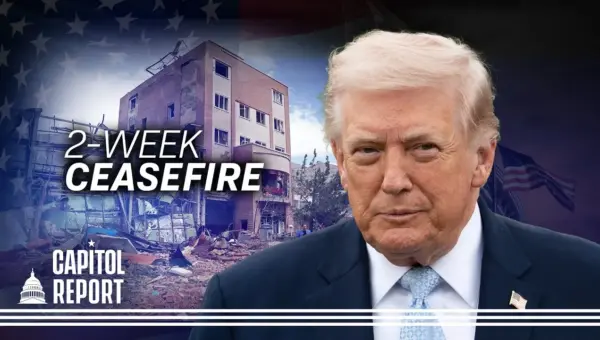
Trump Halts Iran Attacks, Seeks Peace Deal
President Trump has agreed to a two-week suspension of attacks on Iran, contingent on Iran reopening the Strait of Hormuz. This move comes as the U.S. reports progress on a peace proposal and highlights the Iranian people's desire for freedom.