Oil Prices Surge: A Global Crisis Echoes Past Shocks
Oil prices are surging to levels not seen in decades, with the International Energy Agency warning the current crisis is more severe than past shocks. Global reserves are being tapped, and OPEC+ is increasing output, but the market remains volatile. This situation highlights the urgent need for energy diversification.

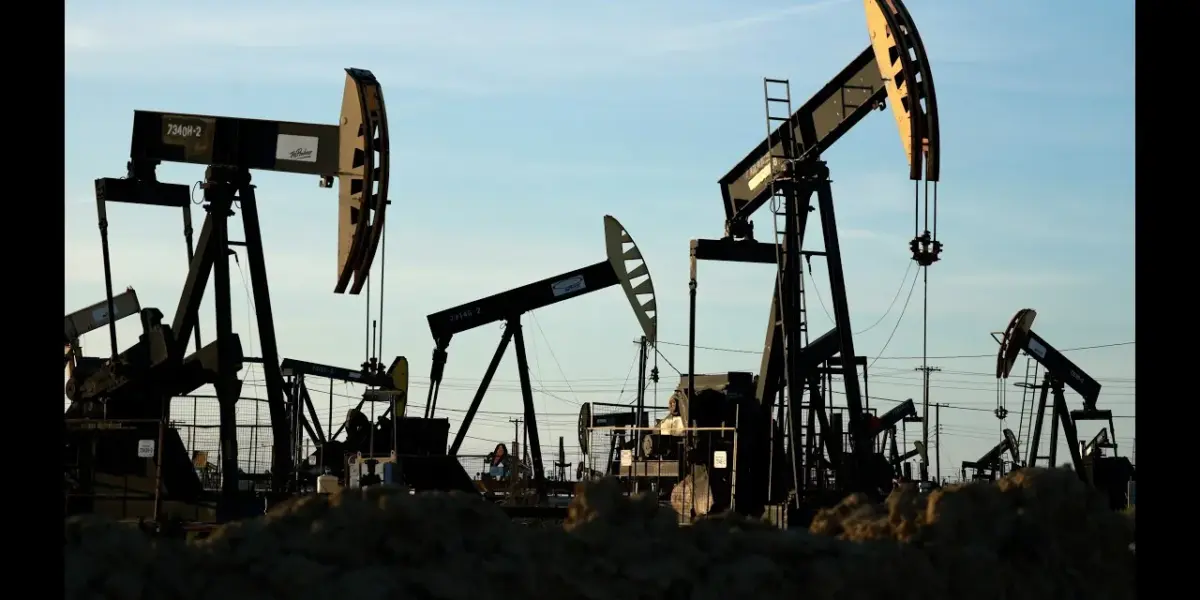
Oil Prices Surge: A Global Crisis Echoes Past Shocks
Oil prices are climbing again, signaling a deepening global energy crisis. The International Energy Agency (IEA) has issued a stark warning: the current situation is worse than the major oil shocks of 1973, 1979, and even 2022. This comparison highlights the severity of the challenges facing consumers and economies worldwide.
As of this morning, Brent crude, a key global oil benchmark, was trading at $110 a barrel. West Texas Intermediate (WTI) crude, the US benchmark, saw an even sharper rise. It jumped more than 3% to $116 a barrel, reaching a four-week high. These price increases mean higher costs for gasoline, heating, and nearly everything else that relies on oil for production or transport.
Historic Context: The Oil Shocks of the Past
To understand the current crisis, it’s helpful to look back at previous major disruptions. The 1973 oil crisis, often called the first oil shock, began when the Organization of Arab Petroleum Exporting Countries (OAPEC) proclaimed an oil embargo. This was in response to the United States and other countries supporting Israel during the Yom Kippur War. Prices quadrupled almost overnight. Many countries faced long lines at gas stations and severe economic slowdowns.
Four years later, the 1979 oil crisis, or second oil shock, was triggered by the Iranian Revolution. The disruption in Iranian oil production led to another sharp increase in global oil prices. This event further fueled inflation and economic instability in many Western nations. These historical events show how quickly oil supply disruptions can impact the global economy.
The year 2022 also saw significant price volatility, driven by the war in Ukraine and subsequent sanctions on Russia, a major oil producer. While severe, the IEA’s latest assessment suggests the current crisis combines elements from all these periods, making it uniquely challenging.
Global Response to Rising Prices
In an attempt to ease the pressure on prices, major oil-consuming nations have taken action. Last month, countries that are members of the IEA agreed to release oil from their strategic reserves. These reserves are large stockpiles of oil held by governments for emergencies. The goal is to flood the market with extra oil, which should, in theory, bring prices down.
The United States also announced a significant release from its own Strategic Petroleum Reserve. The US plans to release 172 million barrels. This is a substantial amount, intended to help stabilize global energy markets. Such coordinated releases are rare and signal the seriousness with which governments view the current price situation.
OPEC’s Role and Output Decisions
Meanwhile, the actions of major oil-producing countries, particularly those in the Organization of Petroleum Exporting Countries (OPEC), remain crucial. OPEC and its allies, a group known as OPEC+, met recently. They agreed to increase their oil output quotas for May by 206,000 barrels per day. While this is an increase, some analysts believe it may not be enough to offset the global supply shortages.
OPEC+ decisions are closely watched because they directly influence the amount of oil available on the market. Their production levels can significantly impact global prices. The group often balances the need to keep prices high enough to benefit member countries with the need to avoid damaging the global economy through excessively high prices.
Why This Matters
The current surge in oil prices has far-reaching consequences. For consumers, it means higher costs at the pump and for everyday goods. Businesses face increased operating expenses, which can lead to reduced investment or higher prices for their products. This can slow down economic growth and increase the risk of recession.
For governments, high energy prices can strain budgets and lead to social unrest. The push for alternative energy sources also gains urgency during such periods. Countries are likely to accelerate investments in renewable energy and energy efficiency to reduce their dependence on volatile fossil fuel markets.
Implications, Trends, and Future Outlook
The ongoing crisis is likely to accelerate the transition towards cleaner energy. As fossil fuel prices remain high and unpredictable, the economic case for solar, wind, and electric vehicles becomes stronger. We may see increased government policies supporting these technologies and greater investment from both the public and private sectors.
However, the immediate future still depends heavily on oil supply. Geopolitical events, such as the situation around the Strait of Hormuz, a vital chokepoint for oil transport, can cause prices to spike rapidly. Uncertainty about future supply will likely keep oil markets volatile. The decisions made by OPEC+ and the impact of global efforts to release strategic reserves will be critical in the coming months.
The world is facing a complex energy challenge. It requires careful management of supply, strategic releases from reserves, and a long-term commitment to diversifying energy sources. The lessons from past oil crises are clear: energy security and price stability are essential for global economic health.
Source: Oil Prices Rise as Hormuz Stays Shut Ahead of Trump Deadline (YouTube)

Related Articles

Trump’s Iran Deal Sparks Market Rally, Oil Plummets
President Trump's announcement of a two-week suspension of bombing Iran has triggered a significant market rally and a sharp drop in oil prices. The potential reopening of the Strait of Hormuz is seen as a key factor, promising relief for consumers and broader economic benefits.


GOP Lawmaker: Iran’s Nuclear Program is a ‘Legitimate Target’
A Republican congressman has labeled Iran's nuclear program a "legitimate military target" and defended President Trump's strategy amid rising Middle East tensions. He criticized Democrats for changing their stance on Iran's nuclear ambitions and warned against prolonged U.S. military ground operations.


Oil Prices Plunge as Iran Ceasefire Sparks Rate Cut Hopes
A tentative two-week ceasefire between Israel and Iran has sent oil prices plummeting and boosted hopes for Federal Reserve rate cuts. Markets are reacting to the geopolitical shift, with some sectors showing strong potential for investors seeking to buy the dip.