US Tech Dominance Signals China: We Can Shut You Down
The successful rescue of US airmen from Iran showcases America's advanced technological superiority, sending a clear message to China that it can be shut down anytime. This capability serves as a crucial deterrent in global politics.

US Tech Dominance Signals China: We Can Shut You Down
The recent daring rescue of two US airmen from Iranian soil sent a powerful message, not just to Tehran, but to global powers like China. Military strategist Colonel Sarcis Sangari highlighted that the success of such a mission relies on advanced technology and seamless coordination, capabilities that set the United States apart. This technological edge serves as a stark warning to any nation considering challenging American interests.
A Message to the Chinese Regime
Colonel Sangari explained that the capabilities displayed during the rescue operation were only a fraction of what the US military possesses. He stated that these advanced technologies allow the US to effectively shut down adversaries at any time. This is a direct message to China, signaling that the United States can counter any threat and maintain its global strategic policy. The implication is clear: any attempt to challenge the US, whether directly or through actions like threatening Taiwan, would be met with overwhelming force. The colonel expressed confidence in the US military’s ability to overcome any near-peer competitor.
The Iran Situation: A Complex Web
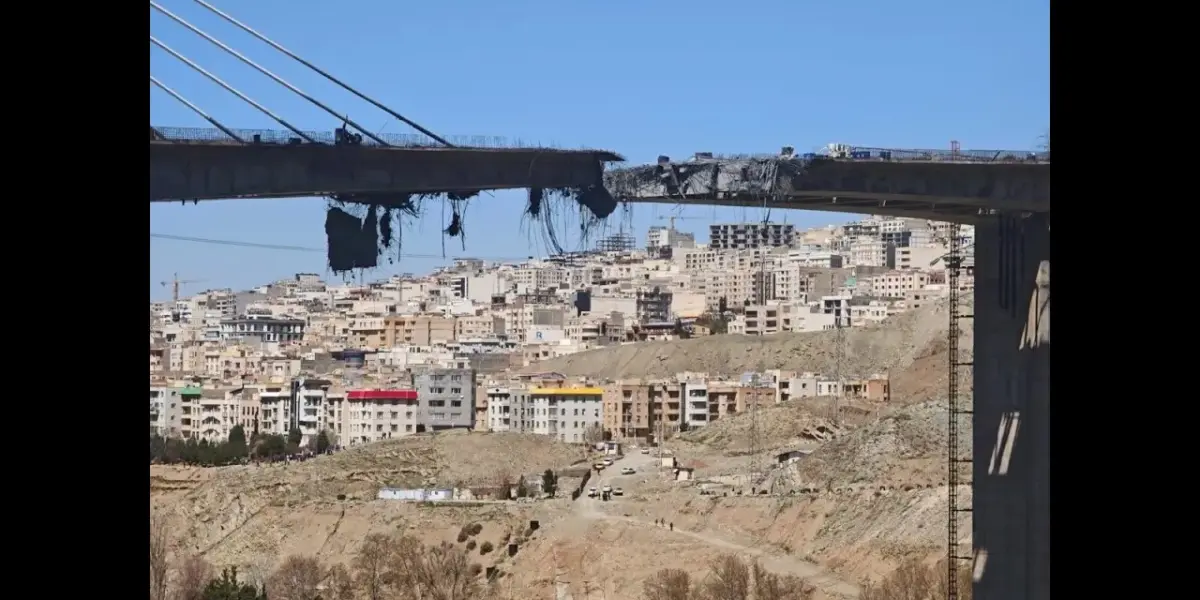
The discussion also touched upon the volatile situation in Iran. President Trump had threatened to destroy Iran’s power plants and bridges if a deal to end the conflict and open the Strait of Hormuz was not reached. Colonel Sangari expected military action against power grids and bridges if Iran did not comply, noting that Iran’s rejection of a ceasefire stemmed from a desire for a complete end to hostilities, fearing a ceasefire might not hold. This desire for long-term survival and stability is understandable, especially given past experiences with ceasefires that were not always respected.
Internal Dynamics and External Support
The Iranian regime’s call for its youth to form human chains around power plants was seen as a sign of desperation, forcing citizens to act under duress. Iran, with its population of 92 million, faces internal divisions. While many citizens desire governmental change, a significant portion, estimated at 20 million, are tied to a network that benefits from the current system. This network, linked through economic ties and organizations like the Shanghai Cooperation Organization, includes China and Russia. These external powers provide support, enabling Iran to acquire materials and technology, including missile capabilities from North Korea, which prolongs potential conflicts.
The Future of Iran and Regional Stability
Colonel Sangari emphasized that any future settlement in Iran must involve an internal leader capable of managing the country’s diverse ethnic groups, such as the Baluchis, Kurds, Turks, and Arabs. A weak central government could lead to chaos. The hope is for a strong Iranian government that can maintain stability and focus its efforts westward, rather than being solely influenced by eastern powers. The economic network, described as a bazaar, needs to be managed effectively to ensure loyalty and stability after any governmental transition.
Technological Superiority as a Deterrent
The successful rescue mission underscored the importance of sophisticated technology and communication. In the past, disjointed communication between agencies like the CIA and the Department of War sometimes hindered operations. However, modern advancements have improved coordination significantly. The ability to pinpoint and extract personnel safely, without interception, showcases a level of capability that few, if any, other nations possess. This technological advantage acts as a crucial deterrent, signaling to potential adversaries that the US military is prepared and capable of acting decisively.
Why This Matters
The events discussed highlight the critical role of advanced technology in modern warfare and international relations. The US demonstrated its ability to conduct complex, high-risk operations with precision, sending a clear message of its military might. This technological superiority serves as a deterrent against potential aggression, particularly from nations like China, which are increasingly asserting their influence on the global stage. The situation in Iran also underscores the complexities of regional conflicts, involving internal political dynamics and the influence of external powers.
Implications and Future Outlook
The clear message conveyed to China suggests a continued emphasis on maintaining technological dominance as a cornerstone of US foreign policy. This may lead to increased investment in advanced military capabilities and intelligence gathering. For Iran, the path forward remains uncertain, with the potential for internal instability and ongoing external influence. The balance of power in the region will likely continue to be shaped by these technological disparities and geopolitical rivalries. The US’s resolve to leave no American behind, demonstrated through the rescue mission, reinforces its commitment to its personnel and its strategic objectives.
Historical Context
The mention of the Shanghai Cooperation Organization (SCO) provides historical context, showing how economic and security alliances can influence regional dynamics. China’s prominent role in the SCO highlights its growing influence and its partnerships with countries like Russia and Iran. This bloc has often been viewed as a counterweight to Western alliances. Understanding these alliances is key to grasping the broader geopolitical landscape in which such military operations and diplomatic challenges unfold.
Source: US Pilot Rescue a Clear Message to Chinese Regime ‘We Can Shut You Down Any Time We Want’ (YouTube)

Related Articles


Trump’s Iran Deal: Bold Tactics Yield Fragile Peace
A panel discusses President Trump's Iran ceasefire deal, a special election in Georgia, the DOJ's renewed fight against fraud, and Trump's relationship with Hungarian Prime Minister Viktor Orbán. Analysts debate Trump's negotiation tactics, the implications of the Georgia race, and the U.S.'s foreign policy stance.
Trump Halts Iran Attacks, Seeks Peace Deal
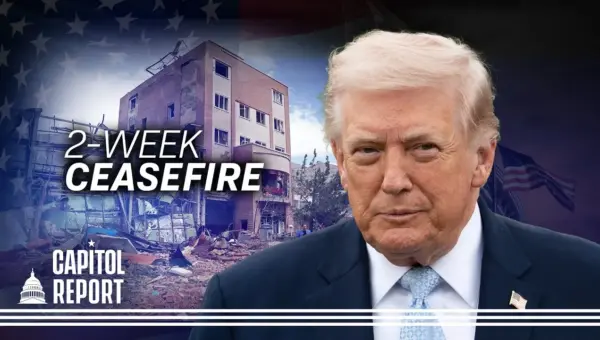
President Trump has agreed to a two-week suspension of attacks on Iran, contingent on Iran reopening the Strait of Hormuz. This move comes as the U.S. reports progress on a peace proposal and highlights the Iranian people's desire for freedom.
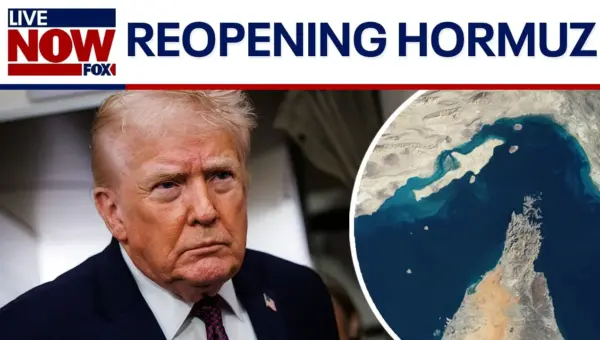
US, Iran Agree to 2-Week Ceasefire Centered on Strait of Hormuz
The U.S. and Iran have agreed to a two-week ceasefire, brokered by Pakistan, focusing on reopening the Strait of Hormuz. While a significant development, the deal's terms are complex and its fragility is a major concern due to the numerous actors involved.