Iran’s Choice: Peace or Pain as US Deadline Looms
Vice President JD Vance outlined a critical deadline for Iran, presenting two stark choices: embrace peace and economic integration, or face worsening hardship through continued conflict and support for terrorism. The US military has largely met its objectives, placing the decision squarely on Iran.

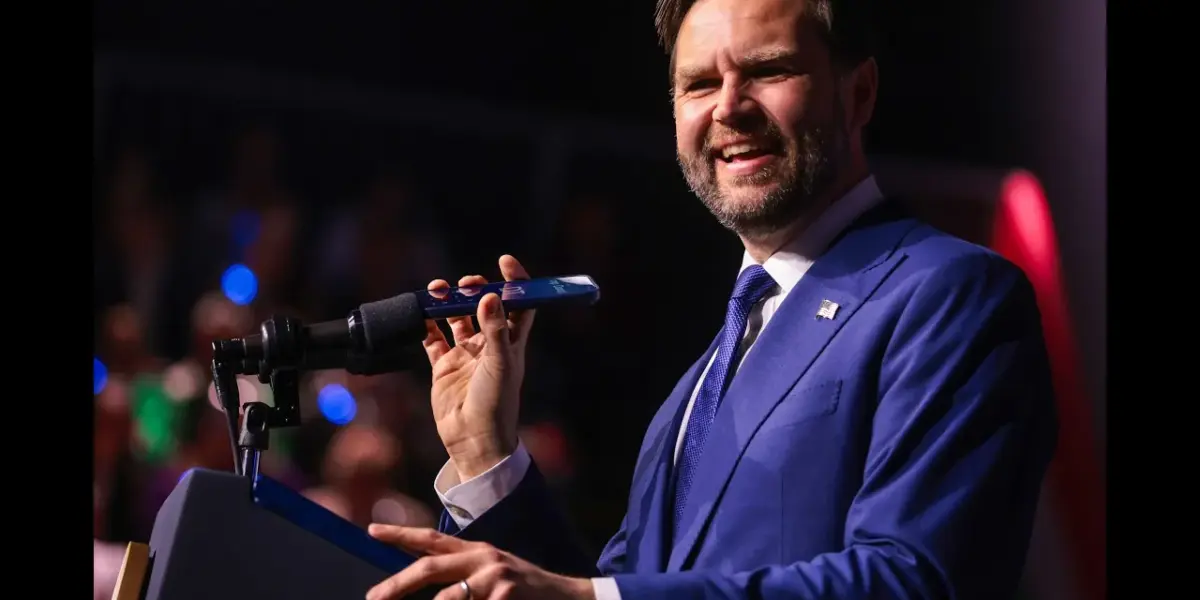
Iran Faces Crucial Choice as US Military Action Nears End
Vice President JD Vance recently spoke in Hungary, alongside Prime Minister Victor Orban, about the ongoing conflict involving Iran. Vance suggested the war is nearing its end and that the United States has largely achieved its military goals. He believes the final outcome now rests largely with the Iranian people themselves.
Vance outlined two main paths for Iran. The first, which he calls “Option A,” is for Iran to become a “normal country.” This would mean stopping support for terrorism and rejoining the global system of trade and commerce. Such a change, Vance argued, would bring significant economic benefits to Iran and contribute to global peace and safety.
The alternative, “Option B,” is if Iran continues its current path. This means sticking with terrorism and threatening its neighbors, including Israel and other Arab nations. Vance warned that if Iran chooses this route, its already difficult economic situation will likely worsen considerably.
US Military Objectives and Strategic Patience
The Vice President addressed the US military actions, particularly strikes on Car Island, Iran’s main oil refining and storage facility. He explained that the US had targeted military sites there. Vance emphasized that the US has followed a clear deadline set by President Trump. This deadline means the US will not strike energy infrastructure targets until Iran makes a serious peace proposal or fails to do so by a specific time.
“The president’s deadline is has been followed by us and everybody else,” Vance stated. He clarified that strikes on energy facilities would only happen if Iran does not come to the negotiating table with an acceptable offer. The deadline Vance mentioned is Tuesday at 8:00 AM, indicating a critical window for diplomatic resolution.
Economic Pressure and Global Leverage
Vance explained the strategic thinking behind the US approach. He noted that Iran, facing military defeat, is trying to cause economic trouble worldwide, especially by threatening the Strait of Hormuz. However, Vance asserted that the United States possesses far greater power to inflict economic pain on Iran than Iran can inflict on the US or its allies. This understanding of “leverage” is central to the US strategy.
“If the Iranians want to exact a certain amount of pain, the United States has the ability to exact much, much greater pain,” Vance said. This suggests a strategy of controlled escalation, where the US can match or exceed any economic pressure Iran attempts to apply, ultimately pushing Iran towards a diplomatic solution.
Support for Hungary’s Leadership
The Vice President also spoke about his visit to Hungary and his strong support for Prime Minister Victor Orban. Vance expressed his desire to help Orban as Hungarians prepare to vote for their next prime minister. He stated that his visit was intended to send a message, particularly to officials in Brussels, the seat of the European Union.
Vance criticized what he called “bureaucrats” for what he sees as undermining Hungary’s leadership. He praised Orban’s policies, especially concerning energy security. Vance credited Orban’s approach for helping Hungary avoid the worst effects of Europe’s energy crisis, suggesting it could serve as a model for other European nations.
Why This Matters
The statements from Vice President Vance highlight a critical juncture in international relations, particularly concerning Iran. The US, under President Trump, appears to be employing a strategy of intense economic and military pressure, coupled with a clear diplomatic deadline. This approach aims to force Iran’s leadership to choose between continued isolation and conflict, or integration and economic recovery.
The outcome of this standoff will have far-reaching consequences. A peaceful resolution could lead to a more stable Middle East and a boost to the global economy. Conversely, a failure to reach an agreement could result in further escalation, increased regional instability, and heightened economic challenges worldwide. The focus on Iran’s internal decisions, while applying external pressure, represents a significant diplomatic and strategic stance.
Historical Context and Future Outlook
Iran has a long history of complex relationships with Western powers, marked by periods of cooperation and intense confrontation. The current situation echoes past tensions, but the specific tactics – a defined deadline and a clear “two-pathway” choice – suggest a deliberate attempt to de-escalate while maintaining leverage. The world watches to see if Iran will choose the path of integration or continue on a course of conflict.
The mention of Hungary and support for Prime Minister Orban also points to evolving geopolitical alliances. Vance’s visit and comments signal a potential shift in US engagement with certain European nations, emphasizing energy independence and national sovereignty. This could influence future European energy policies and broader EU-US relations.
Implications for Global Stability
The potential for Iran to either cease its support for terrorism and rejoin the global economy or continue down a path of conflict is a major factor in global security. If Iran chooses peace, it could significantly reduce regional tensions and open new avenues for trade and cooperation. If it chooses conflict, the economic repercussions, particularly through the Strait of Hormuz, could be severe for global markets.
The US strategy, as described by Vance, relies heavily on economic pressure as a tool to achieve foreign policy objectives. This approach is not new, but its application with a hard deadline and clear communication of consequences marks a distinct strategy. The effectiveness of this strategy will be closely observed in the coming days and weeks, with significant implications for both Iran and the international community.
Source: Vance Says Iran's Fate Hinges on Meeting Deadline (YouTube)

Related Articles
Iran Tests Global Order Amid Strait of Hormuz Standoff
Peace talks loom as Iran's control over the vital Strait of Hormuz fuels global concern. Analysts question Iran's commitment to agreements, while regional demands and proxy conflicts complicate diplomatic efforts. The situation tests the international order and global energy security.

Iran Deal Faces Skepticism Amid US Scientists’ Mysterious Deaths
Skepticism surrounds potential US-Iran negotiations due to Iran's history of deception. Meanwhile, rising gas prices are blamed on market manipulation, not free capitalism. The discussion also highlights alarming, unexplained deaths of US scientists, raising questions about government transparency and accountability.

Iran War Looms as China Pushes for Deal
Confusion over draft registration changes and escalating tensions with Iran dominate geopolitical discussions. While China pushes for a diplomatic solution to prevent conflict, the US faces complex negotiations. Meanwhile, the First Lady addresses rumors, seeking to clear her name amidst ongoing scandals.