Trump Halts Iran Attacks, Agrees to Ceasefire for 2 Weeks
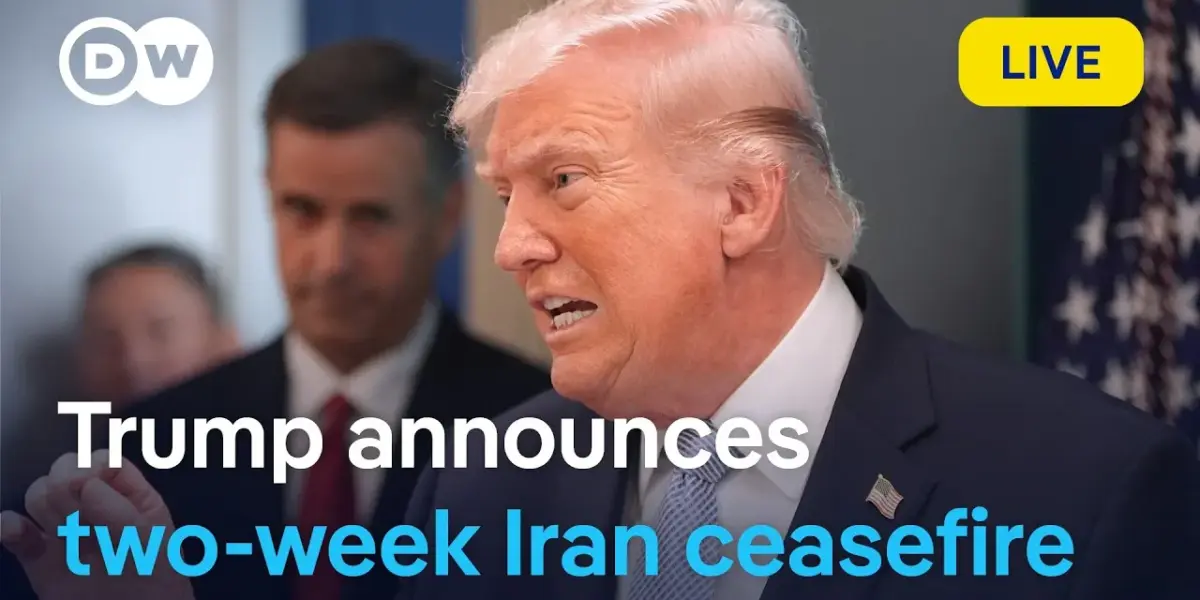
President Donald Trump has announced a two-week ceasefire in the conflict with Iran, contingent on the reopening of the Strait of Hormuz. This development follows a request from Pakistan and brings a temporary halt to escalating tensions.

Trump Halts Iran Attacks, Agrees to Ceasefire for 2 Weeks
In a surprising turn of events, U.S. President Donald Trump announced a two-week ceasefire in the conflict with Iran, a move that has brought a measure of relief to the international community. The announcement came via a post on Trump’s Truth Social platform, detailing a conditional pause on U.S. military actions against Iran.
Pakistan’s Role in Diplomacy
The ceasefire hinges on the complete, immediate, and safe opening of the Strait of Hormuz, a critical waterway for global oil transport. President Trump stated that this decision followed a request from Pakistan’s Prime Minister Shehbaz Sharif and Field Marshal Asim Munir. They asked Trump to halt the planned destructive force being sent to Iran.
Trump explained his agreement to suspend bombing and attacks for two weeks, calling it a “double-sided ceasefire.” He claimed that U.S. military objectives had been met and exceeded. Furthermore, he indicated that significant progress had been made toward a definitive agreement for long-term peace in the Middle East.
International Reactions and Conditions
Iran’s Supreme National Security Council has reportedly accepted the two-week ceasefire proposal. White House officials also confirmed that Israel has agreed to the truce. However, the situation remains tense, with experts expressing concerns about the fragility of the agreement.
Jonathan Shanser, an author and executive director at the Foundation for Defense and Democracies, noted that the agreement could easily collapse. He pointed out that any act of aggression by Iran could end the ceasefire quickly. Shanser also questioned the nature of the reported agreement, suggesting it might be a strategic move by Iran or that Iran has agreed to nothing substantial.
Underlying Pressures and Public Opinion
The ceasefire comes amid considerable pressure on the Trump administration. The conflict has impacted global energy prices, affecting everyday costs like groceries and gasoline. Polls indicate that a majority of Americans disapprove of the war, even as Republican support remains higher.
Misha Kadovski, a DW correspondent in Washington D.C., described President Trump’s approach as unpredictable, a style often referred to as “strategic ambiguity.” She highlighted that Trump often makes critical decisions close to deadlines. The recent conflict intensified economic pressures, particularly after Iran disrupted trade in the Strait of Hormuz.
Concerns Over War Crimes and International Law
Legal experts have raised concerns about President Trump’s rhetoric regarding potential targets in Iran. His statements about targeting civilian infrastructure, such as power plants and bridges, could raise serious legal questions under the Geneva Convention. Some experts worry that such actions, if carried out, could constitute war crimes.
Todd Huntley, director of the National Security Law Program at Georgetown University Law Center and a retired U.S. Navy captain, emphasized the importance of adhering to the laws of armed conflict. He stated that even unintentional harm to civilians can do more damage than good. Huntley stressed that while Iran and its allies may be willing to fight at great cost to their own citizens, the U.S. must still protect civilian lives.
Challenges and Future Outlook
The conflict has also highlighted a potential strain on international partnerships. Some European allies have reportedly shown hesitancy in cooperating with U.S. military actions, refusing overflight rights and base access. This suggests that the U.S.’s image, both militarily and politically, may have been impacted.
Shanser added that the U.S. and Israel have achieved significant conventional military victories, degrading Iran’s military infrastructure and nuclear program. However, he noted that Iran has waged an asymmetric economic war by threatening oil supplies. The core issue moving forward, he believes, is whether Iran will cease its aggressive actions against its neighbors.
The path forward remains uncertain. While the two-week ceasefire offers a temporary pause, the underlying tensions and potential for renewed conflict are significant. The ability of Iran to disrupt vital shipping routes and its continued support for regional militant groups remain key challenges. The international community will be watching closely to see if this fragile peace holds and if a more stable long-term resolution can be achieved.
Source: Trump agrees two-week ceasefire with Iran, if Strait of Hormuz reopened | DW News (YouTube)

Related Articles


Ceasefire Sparks Hope for Crypto Market Rebound
A recent ceasefire has sparked renewed optimism in the crypto markets, prompting analysts to examine technical indicators for signs of a sustained rebound. While geopolitical calm can boost investor confidence, the long-term outlook also depends on regulatory clarity and broader adoption trends. The upcoming launch of the Commonwealth Union Blockchain Network adds another layer of interest to the evolving digital asset space.

Trump’s Iran Deal: Bold Tactics Yield Fragile Peace
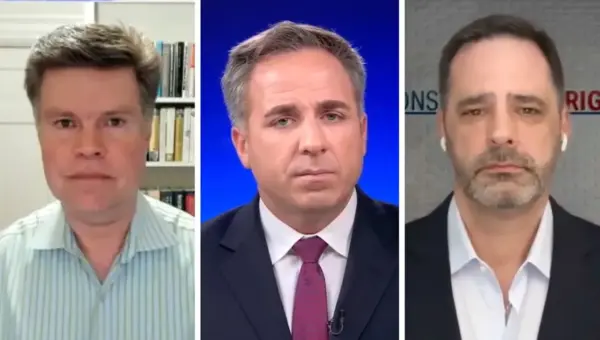
A panel discusses President Trump's Iran ceasefire deal, a special election in Georgia, the DOJ's renewed fight against fraud, and Trump's relationship with Hungarian Prime Minister Viktor Orbán. Analysts debate Trump's negotiation tactics, the implications of the Georgia race, and the U.S.'s foreign policy stance.
Trump Halts Iran Attacks, Seeks Peace Deal
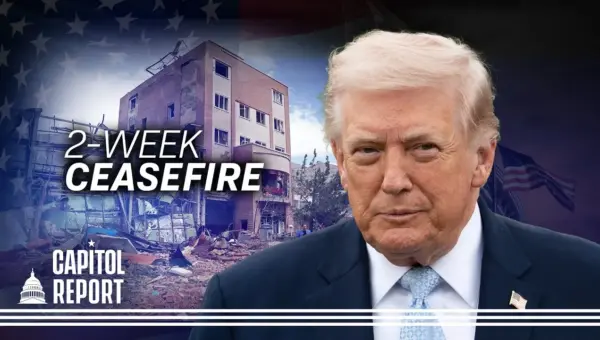
President Trump has agreed to a two-week suspension of attacks on Iran, contingent on Iran reopening the Strait of Hormuz. This move comes as the U.S. reports progress on a peace proposal and highlights the Iranian people's desire for freedom.