GOP Feuds Explode: Cruz vs. Crenshaw Sparks Texas Firestorm
A fierce public feud between Republican Representative Dan Crenshaw and Senator Ted Cruz has erupted over a primary election endorsement. Crenshaw, who is leaving Congress, launched a strong attack on Cruz, bringing up past controversies and alleging donor influence. This conflict highlights growing divisions within the Republican party.

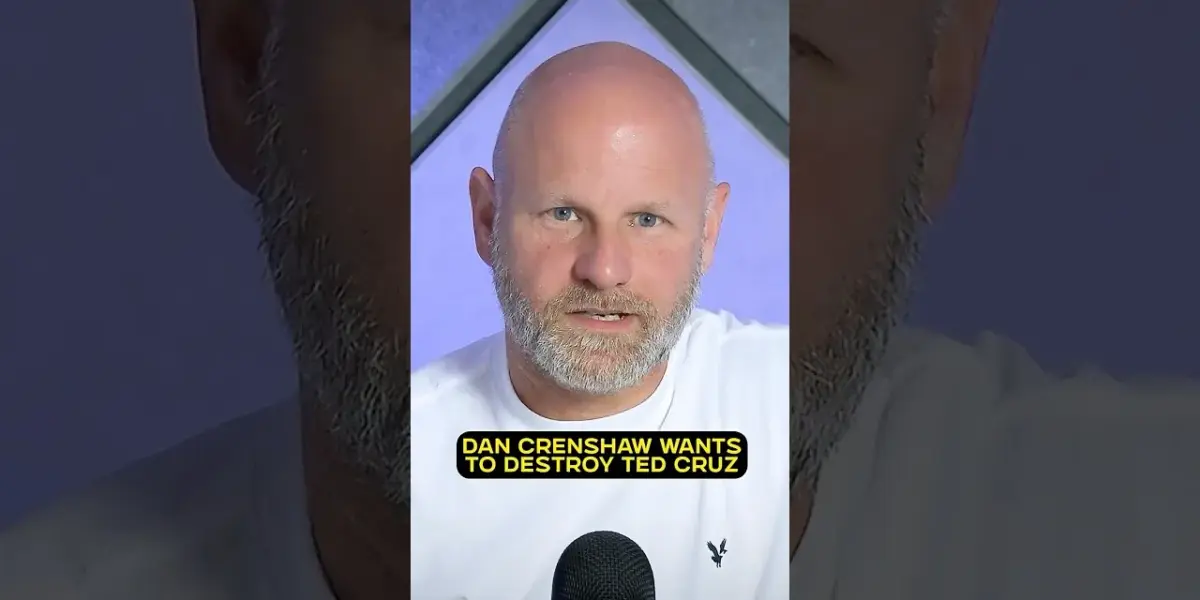
GOP Feuds Explode: Cruz vs. Crenshaw Sparks Texas Firestorm
The Republican party is facing internal conflict, and a recent clash between two prominent Texas politicians highlights the growing divisions. Representative Dan Crenshaw, who is leaving office at the end of the year, has launched a strong attack on fellow Republican Senator Ted Cruz. This feud, centered around a primary election endorsement, reveals deeper tensions within the party.
The Primary Battle and a Controversial Endorsement
The core of the conflict began when Senator Ted Cruz officially endorsed Steve Toth. Toth is the Republican nominee for the Texas district that Dan Crenshaw previously represented. Crenshaw himself lost the primary election to Toth. Cruz’s endorsement of Toth, after the primary had concluded, angered Crenshaw. It seems Crenshaw felt Cruz should not have endorsed the person who defeated him, even though Crenshaw was no longer running and the endorsement happened after the election.
Crenshaw’s Scorched Earth Attack
Dan Crenshaw responded to Cruz’s endorsement with a harsh public statement. He accused Cruz of defunding ICE and Customs and Border Patrol, and then making this endorsement. Crenshaw also brought up Cruz’s controversial trip to Cancun during a severe winter storm in Texas. He criticized Cruz for leaving his constituents behind while they struggled with frozen pipes and lack of water. Crenshaw suggested Cruz’s actions showed a disconnect from everyday Texans.
Crenshaw stated: “First, Ted Cruz defunds ICE and Customs and Border Patrol, then pulls this. Still, nothing will compare to Ted’s last minute vacation to Cancun while his less wealthy Houston neighbors were scooping freezing water out of the community pools so they could flush their toilet. Always nice to be in the ultra wealthy River Oaks class and still manage to convince a few gullible voters that you’re fighting for them.”
Allegations of Donor Influence
Adding another layer to the dispute, Crenshaw linked Cruz’s actions to a major donor. Crenshaw claimed that one of Cruz’s large donors, Robert Marling, is involved with Colony Ridge. Crenshaw described Colony Ridge as an alleged haven for illegal immigrants. By bringing up this connection, Crenshaw implied that Cruz’s political decisions might be influenced by wealthy donors who have interests in immigration policies. He urged people to “follow the money” to understand the motivations behind Cruz’s actions.
Why This Matters
This public argument between two well-known Republicans is more than just a personal spat. It showcases the internal struggles and ideological differences within the Republican party. While Crenshaw is a outgoing member, his strong words indicate a significant level of discontent. Cruz, a prominent figure in the party, now faces criticism from within his own ranks. These divisions can weaken the party’s unity and its ability to present a cohesive front to voters.
Historical Context and Trends
Political infighting is not new. Throughout history, parties have experienced internal disagreements as different factions vie for influence. However, the intensity and public nature of these clashes seem to be increasing. The rise of social media allows for rapid dissemination of criticism, often bypassing traditional media filters. This creates a constant stream of conflict that voters can witness directly. In Texas, a state with a strong Republican tradition, these internal battles are particularly noteworthy. They suggest a shifting political landscape where ideological purity and personal loyalties are being tested.
Future Outlook
The implications of this feud extend beyond Texas. It raises questions about the future direction of the Republican party. Will these internal conflicts lead to a more unified party, or will they cause further fragmentation? The focus on donor influence and immigration policy suggests these issues will continue to be flashpoints. As elections approach, voters will be watching to see if Republicans can resolve these internal disputes or if they will continue to be a source of weakness. The Crenshaw-Cruz conflict is a clear sign that the Republican party is navigating a complex and often contentious internal debate.
Source: The Republicans are tearing each other apart! (YouTube)

Related Articles

Trump’s Words Sink GOP Polls, Dragging Party Down With Him
Democratic Congresswoman Christy Houlihan warns that Donald Trump's controversial statements put U.S. service members in legal jeopardy and deeply alarm military families. Meanwhile, polls indicate Trump's conduct is dragging down the Republican Party, raising concerns about their prospects in upcoming elections.
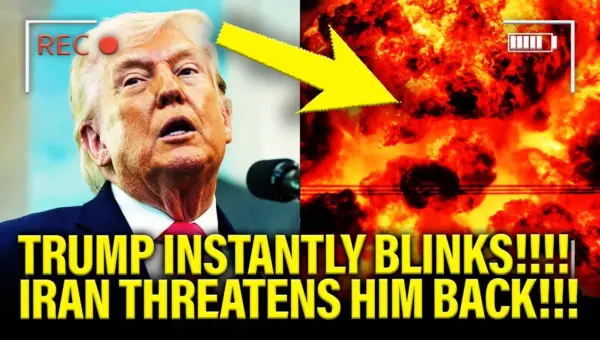
Trump’s War Threats: A Pattern of Bluster, Not Power
Donald Trump's history of extreme threats, particularly regarding Iran, reveals a pattern of bluster rather than genuine policy, according to analysts. This tactic, often followed by de-escalation, raises concerns about international stability and the role of the Republican party and media in enabling such behavior. The discussion highlights the difference between wielding power and abusing it, urging a more virtuous approach to governance.

Republican Party’s Trump Era: A Reckoning Looms
A sharp critique argues the Republican Party is complicit in the nation's current struggles, urging voters to reconsider their support. The analysis questions the party's benefit to anyone but the wealthy, citing economic hardship as evidence.