Trump Halts Iran Attack, But Is It a Real Victory?
President Trump has paused military strikes against Iran for two weeks, contingent on the Strait of Hormuz opening. This decision, influenced by Pakistan's leaders, avoids immediate conflict but leaves underlying issues unresolved. The situation highlights the delicate balance of international diplomacy and the high stakes involved in the region.


Trump Halts Iran Attack, But Is It a Real Victory?
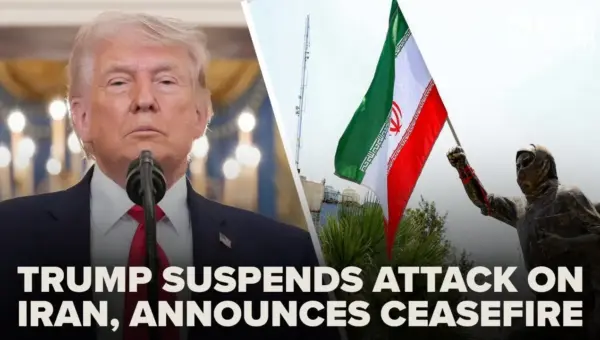
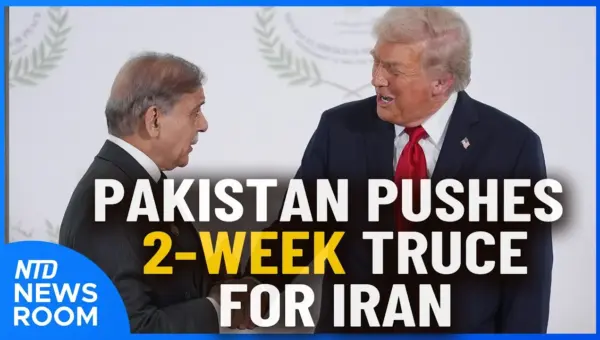
President Trump recently announced a pause on military strikes against Iran. This decision came after a proposal from Pakistan’s Prime Minister Sharif and Field Marshall Manur. They asked the President to hold off on sending destructive forces to Iran. In return, they suggested using Iran’s 10-point proposal as a starting point for talks.
The President agreed to suspend bombing and attacks on Iran for two weeks. This is all based on Iran agreeing to completely and safely open the Strait of Hormuz. However, there’s a question of whether Iran has fully agreed to this condition. Some observers suggest the President might be making a move before Iran has actually met the terms.
A Familiar Standoff
This situation brings us back to where we were just 45 days ago. At that time, the Strait of Hormuz was already open. The conflict seems to have led to more debt and sadly, lost lives, without a clear resolution.
The decision to pause military action brings a moment of relief. It avoids immediate escalation. However, the underlying issues remain unresolved. The Strait of Hormuz is a critical waterway for global oil transport. Any disruption there can have significant economic effects worldwide.
Historical Context: The Art of the Deal
President Trump is known for his book, “The Art of the Deal.” This approach often involves bold statements and strategic negotiations. In this instance, the President seems to be applying that strategy. He is using the threat of military action to push for diplomatic solutions. This is a common tactic in international relations, where brinkmanship can sometimes lead to negotiation.
However, relying on such tactics carries risks. If the other side does not reciprocate or agree to the terms, the situation can quickly deteriorate. The success of this pause depends entirely on Iran’s willingness to engage and meet the stated conditions. The two-week window is short for resolving complex geopolitical issues.
Weighing the Costs
The potential costs of military conflict with Iran are immense. Beyond the human toll of lost soldiers and civilian casualties, there are significant economic consequences. Disruptions to oil supplies can send energy prices soaring. This impacts economies globally, affecting everything from transportation costs to the price of everyday goods.
The current situation, while avoiding immediate conflict, has already incurred costs. The transcript mentions increased debt and the loss of soldiers. This suggests that even preparing for or engaging in limited actions has a price. The question is whether the pause in hostilities will lead to a lasting peace or just a temporary reprieve.
Why This Matters
This event matters because it highlights the delicate balance of international diplomacy and the potential for conflict in a strategically vital region. The Strait of Hormuz is a chokepoint for a significant portion of the world’s oil supply. Any instability there has ripple effects across the global economy.
The President’s decision to pause, even under specific conditions, is a recognition of these high stakes. It shows a potential willingness to explore diplomatic avenues rather than immediate military engagement. This could set a precedent for future crises, emphasizing negotiation over confrontation.
Implications and Future Outlook
The immediate implication is a de-escalation of tensions. This provides a critical opportunity for dialogue. The future outlook hinges on whether Iran chooses to engage constructively. If Iran opens the Strait of Hormuz and agrees to talks, it could lead to a more stable situation.
Conversely, if Iran does not meet the conditions, or if the negotiations fail, the threat of military action could resurface. The two-week period is a crucial test. It will reveal the true intentions of all parties involved. The international community will be watching closely to see if this pause leads to a lasting resolution or merely delays an inevitable clash.
This situation also underscores the complexities of foreign policy. Decisions made under pressure can have far-reaching consequences. The effectiveness of Trump’s negotiation style in this high-stakes scenario remains to be seen. It is a critical moment that could shape regional stability for years to come.
Source: BREAKING: Trump Backs Down on Iran Strike #politics #fyp #new (YouTube)

Related Articles
Israel Defies Ceasefire, Seeks Iran’s Regional Demise
Minutes after a potential U.S.-Iran ceasefire was announced, Israel's Home Front Command issued missile alerts, highlighting deep regional divisions. While the U.S. seeks de-escalation, Israel views the moment as an opportunity to eliminate Iran as a threat. The free passage through the Strait of Hormuz remains a key indicator of progress.
Pakistan Seeks Iran Strike Delay Amidst Hostage Fears
Pakistan's Prime Minister has reportedly requested Iran to postpone its planned military strikes, citing fears that Iranian forces might use Pakistani civilians as human shields. This urgent diplomatic move aims to protect lives and prevent further regional instability.

Trump’s Iran Threat Puts Military in Legal Bind
President Trump's aggressive rhetoric towards Iran, including a threat to "annihilate a whole civilization," has placed the U.S. military in a precarious legal and ethical position. Experts warn that service members may be forced to refuse illegal orders, potentially leading to war crimes charges.