Israel Defies Ceasefire, Seeks Iran’s Regional Demise
Minutes after a potential U.S.-Iran ceasefire was announced, Israel's Home Front Command issued missile alerts, highlighting deep regional divisions. While the U.S. seeks de-escalation, Israel views the moment as an opportunity to eliminate Iran as a threat. The free passage through the Strait of Hormuz remains a key indicator of progress.

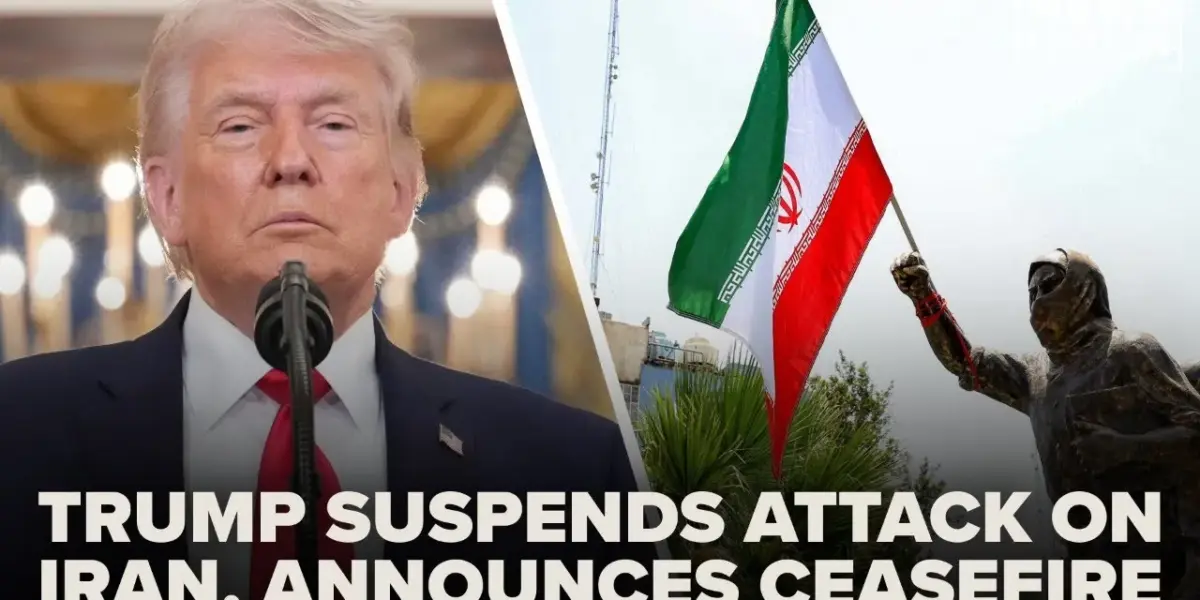
Israel Defies Ceasefire, Seeks Iran’s Regional Demise
Minutes after the White House announced a potential pause in hostilities, alerts from Israel’s Home Front Command signaled incoming missile barrages. This immediate reaction highlights the deep divisions and complex interests at play in the Middle East. While the U.S. and Iran explored a temporary de-escalation, Israel viewed the moment as an opportunity to press its long-standing goal: the elimination of Iran as a regional threat.
A Fragile Truce Amidst Escalation
The announcement from the White House, suggesting a workable basis for negotiations with Iran based on a 10-point proposal, aimed to create a two-week window for finalizing an agreement. However, the reality on the ground in Israel painted a different picture. Sirens wailed, indicating immediate threats, a response common during ceasefires as parties attempt to gain final advantages. This underscores the volatile and unpredictable nature of conflicts in the region.
Divergent Interests: U.S., Iran, and Israel
The U.S. proposal, reportedly agreed upon in most points between Washington and Tehran, did not explicitly include Israel as a signatory. Analysts point out that Iran often adheres strictly to the letter of agreements. If Israel is not formally part of a ceasefire plan, its actions would not be seen as violating that specific truce. This distinction is critical, allowing Israel to continue operations without directly undermining the U.S.-Iran de-escalation efforts.
Israeli Public Opinion Favors Continued Action
On the ground in Israel, public sentiment strongly supports continued military operations against Iran. March opinion surveys indicated nearly 80% of Israelis approved of the war. Many believe this could be the decisive conflict to neutralize Iran’s threat. If Iran is eliminated as a problem, Israelis hope to find long-term relief from threats originating from Lebanon, Yemen, and other regional actors. This widespread desire for a new era of reduced tension drives public support for ongoing military engagement.
The Straits of Hormuz: A Key Indicator
The effectiveness of any U.S.-Iran agreement hinges on practical outcomes. A crucial metric will be the free passage of oil tankers through the vital Strait of Hormuz. If this passage remains unimpeded, it signals progress. If not, it suggests that the situation remains largely unchanged. The U.S. proposal, as articulated by President Trump, was conditioned upon Iran agreeing to open these strategic waterways. This condition remains a key point to watch.
Israel’s Strategic Calculation
Israeli leaders are likely in direct communication with the White House, emphasizing their perspective. They see a generational opportunity to permanently resolve the threat posed by Iran. The prospect of such a significant geopolitical shift means Israel is unlikely to welcome a ceasefire that leaves Iran’s capabilities intact. The dynamic between the U.S. desire for de-escalation and Israel’s strategic aims to dismantle Iran’s regional influence is a central tension.
Future Scenarios
The coming weeks will reveal the true impact of these developments. One scenario sees the two-week period used to solidify a broader deal, leading to a genuine reduction in regional tensions, marked by the unimpeded flow of oil through the Strait of Hormuz. Another, perhaps more likely, scenario involves continued proxy actions and limited escalations. Israel may continue its operations, viewing the U.S.-Iran pause as a temporary diplomatic maneuver rather than a fundamental shift in the conflict’s trajectory. The rapid communication breakdown followed by a potential deal, likened to students passing notes, suggests a complex and perhaps improvised diplomatic dance. Close observation of Iran’s actions regarding the Strait of Hormuz and continued Israeli military activity will be key to understanding the evolving situation.
Global Impact
The ongoing tensions between Iran and its regional rivals, with the U.S. navigating these complex relationships, have significant global implications. The Strait of Hormuz is a critical chokepoint for global energy supplies. Any disruption directly impacts oil prices and global economic stability. Furthermore, the broader conflict fuels instability, potentially drawing in other powers and impacting international trade routes and security. The outcome of these negotiations and military actions will shape the future of energy security and geopolitical alignments in the Middle East for years to come.
Source: Panel reacts to Trump suspending attacks on Iran | The Hill (YouTube)

Related Articles

US Gains More Than It Pays For in NATO Alliance
Despite criticism, the United States gains substantial international legitimacy, a vast network of allies, and enhanced security from its NATO membership. Experts argue these benefits outweigh the alliance's costs and that its defensive nature is key to its value.
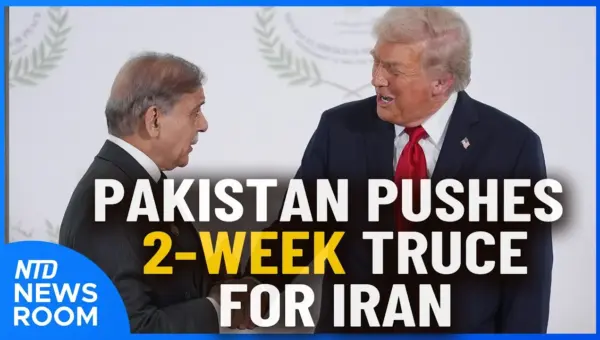
Pakistan Seeks Iran Strike Delay Amidst Hostage Fears
Pakistan's Prime Minister has reportedly requested Iran to postpone its planned military strikes, citing fears that Iranian forces might use Pakistani civilians as human shields. This urgent diplomatic move aims to protect lives and prevent further regional instability.


Trump’s Iran Threat Puts Military in Legal Bind
President Trump's aggressive rhetoric towards Iran, including a threat to "annihilate a whole civilization," has placed the U.S. military in a precarious legal and ethical position. Experts warn that service members may be forced to refuse illegal orders, potentially leading to war crimes charges.