Trump’s Iran Threat Puts Military in Legal Bind
President Trump's aggressive rhetoric towards Iran, including a threat to "annihilate a whole civilization," has placed the U.S. military in a precarious legal and ethical position. Experts warn that service members may be forced to refuse illegal orders, potentially leading to war crimes charges.

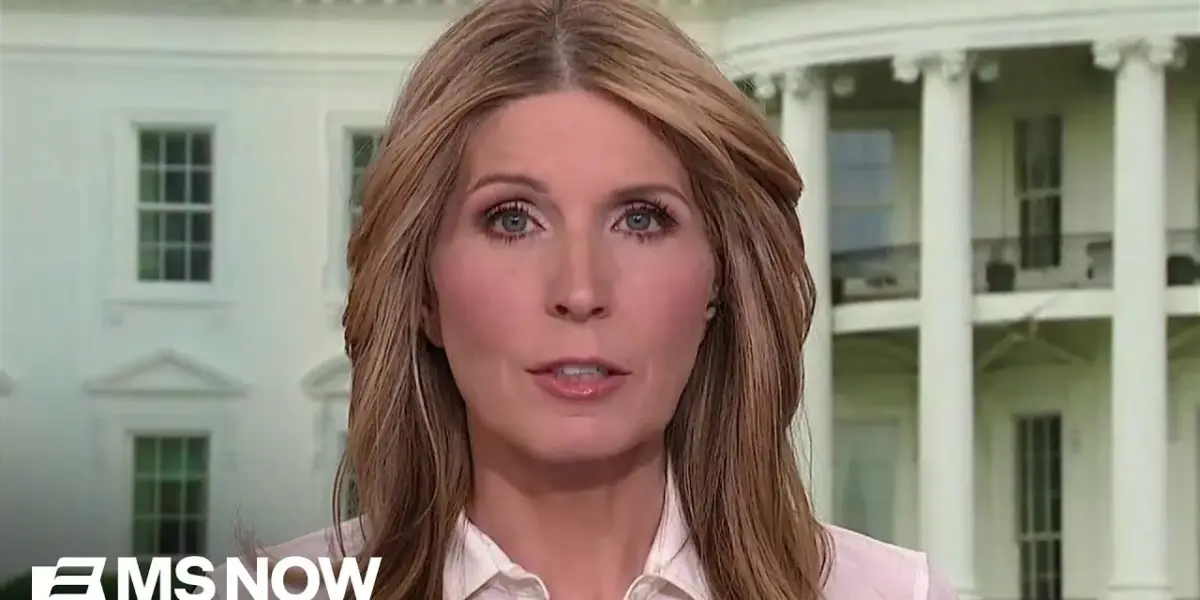
Trump Issues Stark Warning to Iran
President Donald Trump has issued a dire ultimatum to Iran, threatening “a whole civilization will die tonight” if the Strait of Hormuz is not opened. This extreme rhetoric, delivered just hours before a self-imposed deadline, has placed the U.S. military in an unprecedented and ethically challenging position. Experts warn that the president’s words could force military leaders to choose between obeying potentially illegal orders and defying their commander-in-chief.
Military Faces Dilemma of Illegal Orders
The core of the issue lies in the nature of Trump’s threats. By suggesting the annihilation of an entire country, including its civilian infrastructure, he appears to be advocating for actions that would constitute war crimes. Military personnel are bound by law and the Constitution, meaning they must refuse any order that violates these principles. As retired Brigadier General Steve Anderson explained, “We are really putting our military leadership in a bind.” He elaborated that this moment feels like a scenario where military leaders might be asked to carry out illegal orders, which is the definition of committing a war crime.
Experts Raise Legal Jeopardy Concerns
Legal experts are voicing serious concerns about the potential legal ramifications for U.S. military leadership. Jeffrey Korn, a former top law of war expert for the U.S. Army in Iraq, told The Washington Post, “I’m concerned that the president’s bombast is putting the operational commanders in a very difficult position.” Korn stressed that military commanders understand they cannot simply designate an entire country’s electrical grid as a lawful target, especially when it includes civilian elements. This sentiment was echoed by former Lieutenant General Mark Hertling, who noted the internal conflict many senior officers might be experiencing. “I can’t obey an unlawful order. I can’t do things that I know are absolutely wrong,” Hertling stated, highlighting the tension between duty to the Constitution and the moral implications of such actions.
Nuremberg Trials Echoed in Modern Concerns
The historical precedent of the Nuremberg Trials, where Nazi leaders were prosecuted for obeying unlawful orders, looms large. “Their crime at the time was to obey the orders of those who pointed over them, including Adolf Hitler,” General Anderson pointed out. He expressed a strong desire to avoid a future where American soldiers face military tribunals or international courts for carrying out orders that are later deemed illegal. While Trump might attempt to pardon soldiers, Anderson warned that such pardons would not hold up under international law, a prospect that deeply worries him.
The Oath to the Constitution
The fundamental principle at play is the oath U.S. service members take. “Our soldiers, sailors, airmen, Marines swear an oath to the Constitution, not to a president,” explained one analyst. This oath means they are obligated to obey legal orders and, crucially, to disobey illegal ones. Committing a war crime, such as targeting civilian infrastructure like water desalination plants or power grids that serve hospitals, would be an illegal order. As Senator Slotkin tweeted, reminding everyone of the importance of this principle, “It is moments like these that are why we made the video to service members last year.” The message is clear: every service member has the right and the duty to refuse illegal commands.
Iran’s Response and International Reaction
Contrary to Trump’s intentions, his aggressive stance appears to have backfired. Instead of coming to the negotiating table, Iranians reportedly formed human chains along bridges and around power plants, seemingly daring the U.S. and Israel to attack civilian sites. Videos and photos of these gatherings were shared by state and local media. Trump dismissed these actions as “totally illegal,” but the broader international community has reacted with shock and dismay. Allies are described as not just skeptical but “appalled,” unable to tolerate the suggestions and behavior from the U.S. president. Critics argue that Trump has become as fanatical as the Iranian regime leaders, creating a dangerous confrontation between two extremist viewpoints.
Degradation of American Standing
Commentators expressed deep sorrow over the perceived degradation of American culture and global standing under Trump’s leadership. “We’ve always been the beacon on the hill… And we’re just doing the opposite. We’re acting like a predatory bully,” one analyst lamented. The comparison was made that Iran, despite its leadership, now appears more rational and sane than the U.S. president. America’s influence and alliances are seen as severely weakened, with NATO allies reportedly shaking their heads and allies in the Gulf feeling increasingly vulnerable due to potential targeting of bases. The situation is attributed largely to Donald Trump and the “cowardice” of the Republican Party for not speaking out or initiating impeachment proceedings like the 25th Amendment.
Looking Ahead: The President’s Conduct
The focus now shifts to how these legal and ethical challenges will unfold. The military’s adherence to the rule of law in the face of presidential directives will be a critical test. Furthermore, the international reaction and the potential for diplomatic solutions, or further escalation, remain key areas to watch. The conduct of President Trump and the response of the Republican party to these extraordinary circumstances will continue to shape America’s role on the world stage.
Source: Nicolle on Trump’s Iran rhetoric: ‘We all are, as Americans, represented by his threat of genocide’ (YouTube)

Related Articles
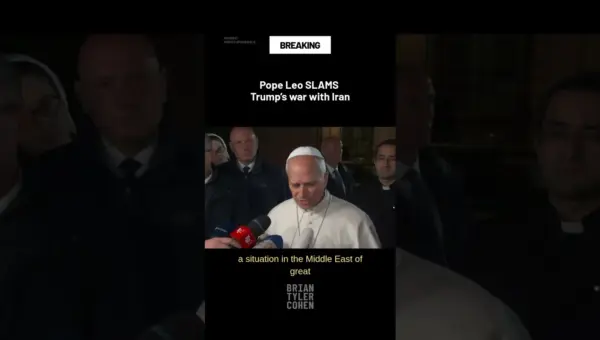
Pope Francis Calls for Peace Amidst Escalating Global Tensions
Pope Francis urged an end to escalating conflicts, citing global economic and energy crises. He called for peaceful dialogue and reminded leaders that attacking civilians violates international law. The Pope encouraged citizens to press their leaders for peace.

Trump’s Iran Stance: Mixed Messages, Allies Scorned
Donald Trump's conflicting statements on a potential Iran ceasefire and his sharp criticism of allies reveal a complex and potentially destabilizing foreign policy approach. His call for nations to secure their own oil from the Strait of Hormuz signals a move towards greater self-reliance, raising questions about future global stability and U.S. alliances.
Trump Halts Iran Attack, Seeks Deal to Open Hormuz Strait
President Trump has suspended military action against Iran for two weeks, seeking a deal that includes the immediate opening of the Strait of Hormuz. This move aims to de-escalate tensions and secure long-term peace in the Middle East, with markets expected to react positively to the diplomatic progress.