Trump Halts Iran Attack, Seeks Deal to Open Hormuz Strait
President Trump has suspended military action against Iran for two weeks, seeking a deal that includes the immediate opening of the Strait of Hormuz. This move aims to de-escalate tensions and secure long-term peace in the Middle East, with markets expected to react positively to the diplomatic progress.

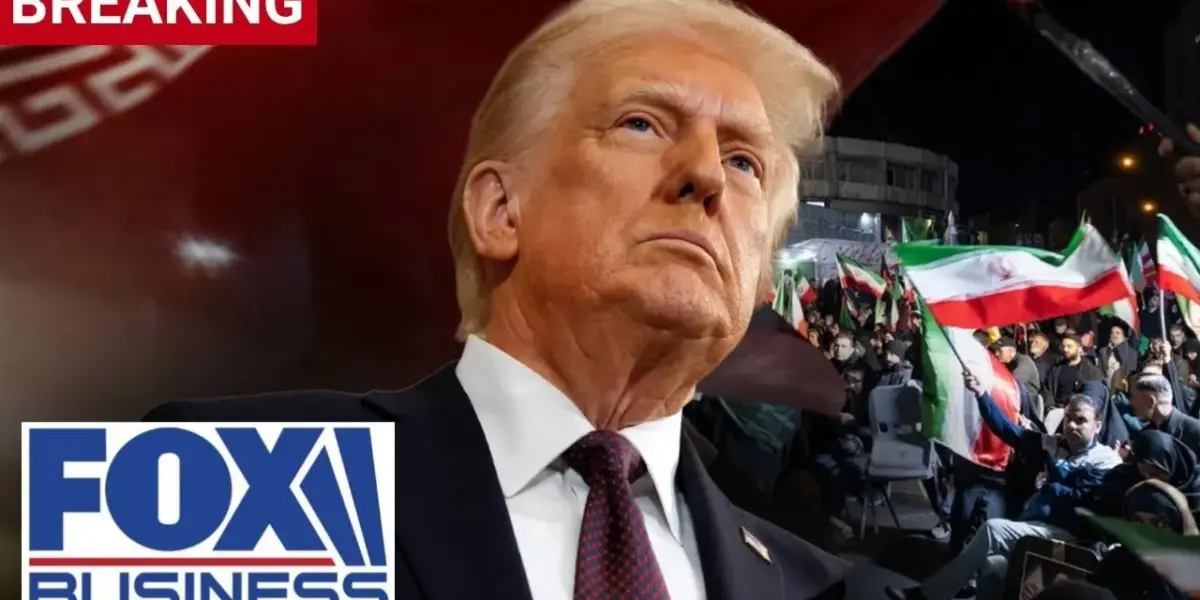
Trump Halts Iran Attack, Seeks Deal to Open Hormuz Strait
President Donald J. Trump announced a sudden suspension of military action against Iran, citing progress in negotiations for a long-term peace agreement. The decision, made just before a looming deadline for attacks, hinges on Iran agreeing to the immediate and safe opening of the vital Strait of Hormuz.
A Two-Week Ceasefire
In a statement released via Truth Social from the White House, President Trump revealed that he had agreed to hold off on destructive force being sent to Iran for a period of two weeks. This move comes after discussions with Prime Minister Sharif near Pakistan, who reportedly requested the pause. This will be a two-sided ceasefire, meaning both sides will stand down.
The President stated that military objectives had already been met and exceeded. He also indicated that significant progress has been made on a definitive agreement for long-term peace in the Middle East. Iran has presented a 10-point proposal, which the U.S. believes can serve as a workable basis for negotiations. Many points of past disagreement have reportedly been resolved.
This two-week period is intended to finalize and complete the agreement. President Trump expressed that it is an honor to have this long-standing problem nearing resolution, representing the United States and other Middle Eastern countries.
Market and Political Reaction
The announcement suggests a deal is in the making, a development that had been rumored throughout the day. Analysts believe the President’s actions are a calculated political move, especially considering domestic public opinion. While a majority of Americans supported the military action and felt it was justified, a larger percentage favored a negotiated deal if a good one could be secured.
This period, however, carries risks. It allows Iran time to regroup. Yet, if the President believes a genuine opportunity for a negotiated victory exists, taking this path is seen as necessary. The President’s past strong rhetoric about “annihilation” and “civilization” now contrasts with this move towards peace and securing oil flow.
The dealmaking aspect of President Trump’s approach is noted as a key factor in his electoral success. However, a notable omission from the immediate discussions is Europe and NATO. While Ukrainian President Volodymyr Zelenskyy has been reportedly seeking support from Gulf states and sharing intelligence, NATO countries have not been prominently mentioned in this specific deal. NATO’s Secretary General, Mark Rutte, has reportedly built a relationship with President Trump, but broader NATO engagement remains unclear.
The Importance of the Strait of Hormuz
The Strait of Hormuz is a critical global chokepoint for oil and gas shipments. A significant portion of the world’s energy supply passes through this narrow waterway. While U.S. oil consumption is less directly impacted, the flow of oil and fertilizers is crucial for the global economy. The U.S. economy could reportedly sustain a 60 to 90-day conflict, with potential price increases estimated at around $50 per barrel, amounting to about a billion dollars a day. This is considered a relatively small amount within the context of a $30 trillion economy.
The markets are expected to react positively to this de-escalation. The strategy is seen as a display of strength, where pressure was applied to Iran, leading to perceived concessions. This mirrors a tactic of projecting toughness to achieve objectives, similar to a scene from the movie “Patton” where a leader’s actions are meant to convey resolve.
Potential Deal Components
While the full details of the 10-point plan are not yet public, initial reports suggest it includes the immediate opening of the Strait of Hormuz. Past negotiations have often involved discussions on nuclear material and missile programs. It is speculated that the agreement may address Iran’s nuclear ambitions and its ballistic missile development, aiming to prevent their continuation. The implications for Iran’s neighbors are also a key aspect, though not yet detailed.
The President previously estimated the conflict might last four to six weeks, a timeframe still within the current period. He has also drawn parallels to longer historical conflicts like the Vietnam War (19 years) and World War II and Korea (three years each). The speed of conclusion is important for an impatient nation. The negotiated settlement, starting with the crucial Strait of Hormuz, signals seriousness from all parties involved and is expected to be a cornerstone of the administration’s security policy.
What Investors Should Know
The immediate suspension of military action against Iran is a significant de-escalation. This reduces geopolitical risk in the Middle East, which can have positive ripple effects across global markets. Investors will be closely watching the progress of the two-week negotiations. The successful opening of the Strait of Hormuz could lead to increased oil supply and potentially stabilize or lower energy prices, benefiting industries reliant on oil and transportation.
The political implications at home, particularly concerning President Trump’s negotiation strategy, could also influence market sentiment. A successful diplomatic outcome may be viewed favorably by investors, potentially boosting confidence. However, the two-week pause introduces uncertainty, as Iran could use the time to regroup or negotiations could falter. The lack of clear involvement from European allies in this initial announcement might also be a point of observation for international markets and geopolitical strategists.
Source: BREAKING: Trump makes MAJOR announcement about Iran ahead of deadline (YouTube)

Related Articles

Trump’s Iran Standoff: A Deal Made in Retreat?
President Trump has paused military actions against Iran, agreeing to a two-week negotiation period based on Iran's 10-point proposal. This move follows threats of severe strikes and raises questions about the administration's strategy and the concessions involved.
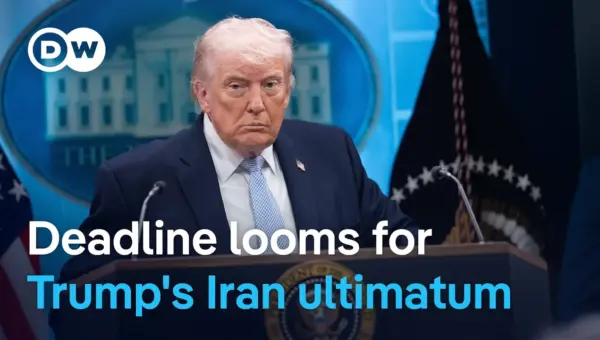
Trump Threatens Iran: ‘Civilization Will Die’
President Donald Trump has issued his most severe threat yet against Iran, warning of 'existential consequences' as a deadline for a deal expired. The conflict has escalated with strikes on civilian infrastructure, raising concerns about war crimes. Experts suggest Trump's rhetoric may mask desperation amid an unpopular war with unclear objectives.

Gingrich: War with Iran Risks American Cities
Former Speaker Newt Gingrich warns that failing to confront Iran could put American cities at risk. He compares the current situation to pre-WWII threats, urging decisive action to prevent catastrophic consequences.