Iran Talks Stall; Striking Now Is Key, Says Gingrich
Newt Gingrich argues that Iran's diplomatic tactics are designed to delay and gain leverage. He believes the current moment is critical for the U.S. to take decisive action against Iran's nuclear and missile programs, warning of severe future consequences if action is not taken now.

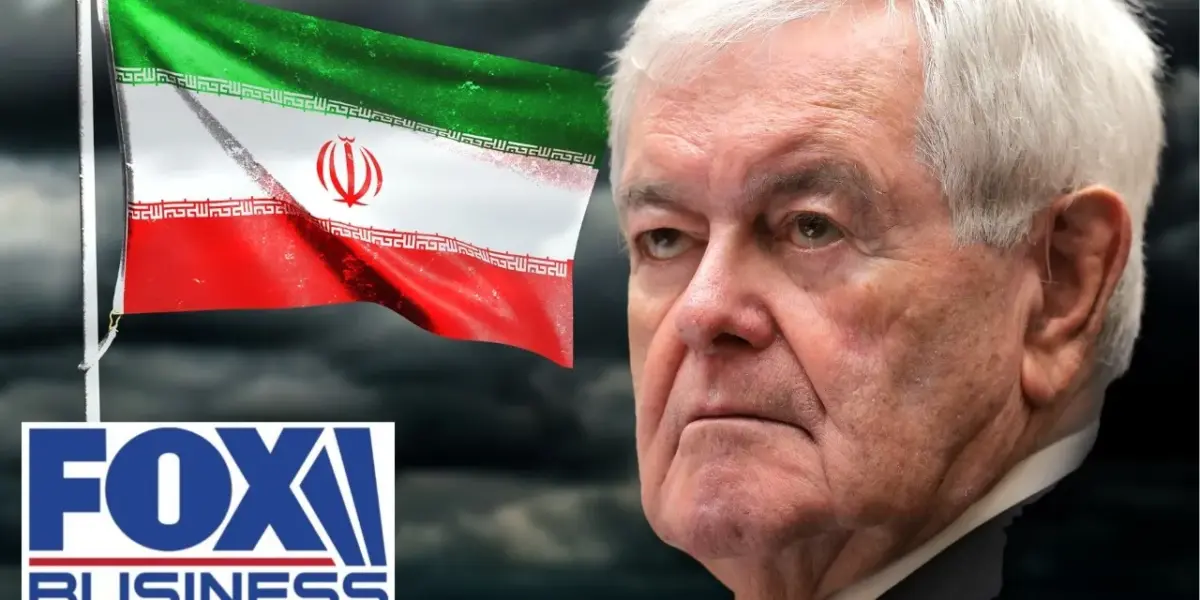
Iran Talks Stall; Striking Now Is Key, Says Gingrich
Former House Speaker Newt Gingrich expressed strong skepticism regarding Iran’s commitment to diplomatic talks, arguing that the current moment presents a critical opportunity for decisive action. He believes that any proposal for extensions or delays by Iran is a tactic to gain leverage, not a genuine move towards de-escalation.
Gingrich stated that he would be “very surprised” if Iran genuinely agreed to open the Strait of Hormuz for an extended period, which would allow trapped ships to pass. He sees this as a move that would significantly reduce Iran’s bargaining power. The core issue, according to Gingrich, is a dictatorship that has chanted “Death to America” for 47 years and consistently pursues missiles and nuclear weapons capable of reaching the U.S.
He drew a parallel to Winston Churchill’s warnings about Adolf Hitler in the 1930s. “If you don’t stop them now, it’s going to get a lot worse,” Gingrich cautioned, echoing historical lessons. He urged President Trump to secure two key agreements: that the Strait of Hormuz is international water and will never be blocked by Iran again, and that Iran abandons both its missile and nuclear programs.
What Investors Should Know
The ongoing geopolitical tensions involving Iran have significant implications for global energy markets. The Strait of Hormuz is a vital waterway for oil transportation, and any disruption can lead to increased oil prices. Investors closely monitor developments in the region, as they can impact inflation and economic growth worldwide.
Gingrich’s perspective suggests that a prolonged period of negotiation without concrete results could increase the risk of military conflict. Such a conflict, even if limited, could cause significant volatility in financial markets, particularly in energy and defense sectors. The uncertainty surrounding Iran’s nuclear ambitions and its ballistic missile program remains a key concern for international stability and economic forecasting.
While Gingrich advocates for immediate action, the U.S. administration’s approach to Iran has included diplomatic efforts alongside sanctions. The market reaction to any potential military action would likely be swift and could involve a sharp rise in oil prices and a broader sell-off in equities as investors seek safer assets.
The discussion highlights the delicate balance between diplomacy and the potential for military intervention. For investors, this translates to increased risk premiums and a need for careful portfolio management. Companies involved in the energy sector, defense contractors, and those with significant international operations could see their stock prices fluctuate based on news from the region.
“We have to insist on an Iran that is not a danger to the American people and the time to save Chicago or St. Louis or Washington is now. Not after we lose a city.”
The argument presented is that if the U.S. is not prepared to stop Iran now, the consequences could be dire in the future, potentially including attacks on American cities. Gingrich believes that the current moment is a pivotal one, requiring firm resolve. He compared the situation to President Franklin D. Roosevelt’s efforts to warn Americans about the Nazi threat before World War II, using the analogy of a rattlesnake: “you don’t have to wait until it bites you to crush it.”
The former Speaker pointed to Iran’s consistent threats, its pursuit of nuclear weapons, and its willingness to suppress its own people as evidence of the regime’s dangerous nature. He questioned how much more evidence is needed by those in the media and political establishment who seem unwilling to acknowledge the threat. Gingrich emphasized that the stakes are American cities and that appeasing Iran risks further escalation and potential loss.
He concluded by stating that President Trump has shown courage in bringing the U.S. to this point, but now is the time for ultimate resolve. This moment, he argued, is comparable to Abraham Lincoln at Gettysburg, where standing firm is essential to saving the country.
Source: Gingrich: I’d be VERY surprised if Iran did this… (YouTube)

Related Articles

Trump Threatens ‘Civilization’s Death’ as Iran Deadline Looms
President Trump has issued a stark ultimatum to Iran, threatening catastrophic consequences by 8 p.m. Eastern Time, sparking global concern. The Pentagon has prepared options including civilian infrastructure targets, while Vice President Vance urges a diplomatic resolution. Regional anxiety is high, and markets are volatile as the world awaits Iran's response to the escalating crisis.


Vance Warns Iran: US Has Untapped ‘Tools’ for Oil Security
Senator JD Vance recently warned Iran that the U.S. has undeclared "tools" to ensure the free flow of oil. His comments suggest potential escalation if Iran's actions continue, impacting global energy markets. The situation highlights the complex interplay of economics, geopolitics, and international relations.
Trump’s War Talk Sparks Fury, Divides Even His Allies
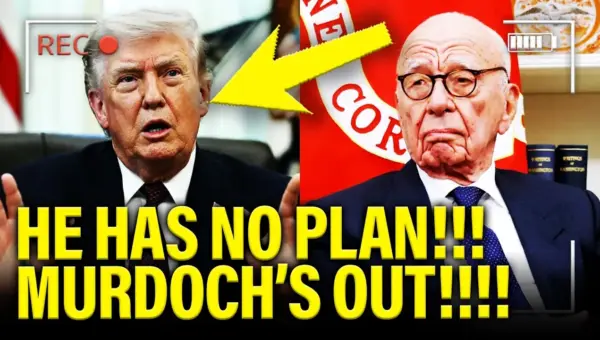
Donald Trump's aggressive rhetoric regarding a potential conflict with Iran is drawing criticism not only from opponents but also from his own MAGA supporters and conservative media like The Wall Street Journal. Concerns are rising over the extreme nature of his threats, which some see as a betrayal of the "America First" platform.