Trump Threatens ‘Civilization’s Death’ as Iran Deadline Looms
President Trump has issued a stark ultimatum to Iran, threatening catastrophic consequences by 8 p.m. Eastern Time, sparking global concern. The Pentagon has prepared options including civilian infrastructure targets, while Vice President Vance urges a diplomatic resolution. Regional anxiety is high, and markets are volatile as the world awaits Iran's response to the escalating crisis.

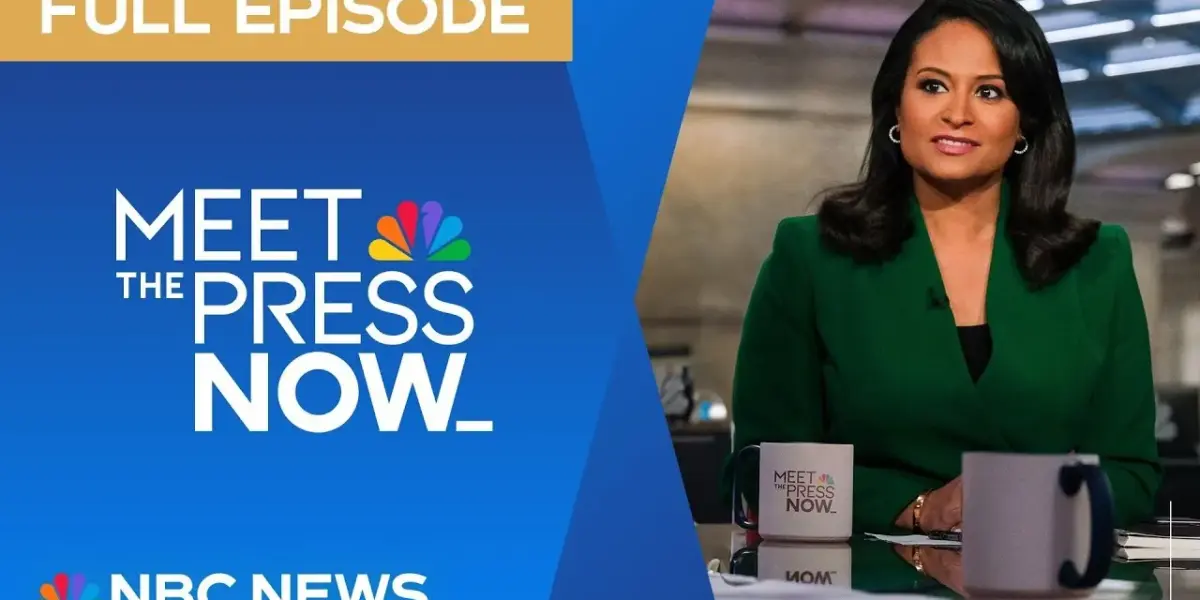
Global Tensions Escalate as Trump Sets Iran Deadline
Washington is on edge as President Trump has issued a stark ultimatum to Iran, threatening to bring about the end of a civilization if Tehran does not comply with his demands by 8 p.m. Eastern Time. The threat, made less than four hours before the deadline, has raised fears of a wider conflict, drawing concern from both Democrats and Republicans, as well as international leaders and officials in the Gulf region.
Pentagon Prepared for ‘Civilian Purposes’ Targets
NBC News has learned from two U.S. officials that the Pentagon has prepared options for the President that include targeting locations in Iran used for both military and civilian purposes. This comes after a strong social media post from the President warning, “A whole civilization will die tonight if Iran doesn’t make a deal by his 8 p.m. deadline.” Earlier, the President had stated that “every bridge in Iran will be decimated and every power plant will be exploding, never to be used again.”
Vice President Vance Urges ‘Good Resolution’
In contrast to the President’s forceful rhetoric, Vice President Vance adopted a more measured tone during a press conference in Hungary. He suggested that multiple opportunities exist to avoid disaster. “I hope that they’re smart,” Vance stated. “The President has set a deadline for about 12 hours from now, and the United States, we’re going to find out. But there’s going to be a lot of negotiation between now and then. And I’m hopeful that it gets to a good resolution.” Vance emphasized that the President understands leverage and that the U.S. has the capacity to inflict far greater pain than Iran. “The President doesn’t want to do that. I don’t want to do that. That’s why we’re negotiating so aggressively,” he added, placing the responsibility on Iran to respond.
Iran Forms Human Chains Around Key Infrastructure
In response to the escalating tensions, Iran’s state media released images showing civilians forming human chains around power plants and bridges across the country. This action appears to be a direct response to the government’s call ahead of potential strikes. President Trump sharply criticized these efforts in a brief call with NBC News, calling them “totally illegal” and stating, “They’re not allowed to do that.”
Deadline Extensions and Shifting Stances
This is not the first time the President has set a deadline for Iran to reopen the Strait of Hormuz. The situation has evolved over the past two weeks, with the President initially posting a 48-hour ultimatum to obliterate Iran’s power plants. This was followed by a five-day pause, citing productive talks with Iran. The deadline was then extended by ten days and subsequently moved back one more day to the current 8 p.m. deadline.
“They’ve had plenty of time. In fact, they asked for seven days. I said, I’m going to give you ten, but at the end of ten, all hell’s going to break out if you don’t get there.”
White House Focus Amidst Tense Countdown
Kelly O’Donnell, NBC News Chief Justice and National Affairs Correspondent, reported from the White House that the President has been in his working spaces, aware of the ticking clock. While specific details of his day are scarce, his recent comments criticizing Iranian citizens engaged in protests highlight a shift from earlier sentiments of potential assistance to the current dire threat. White House statements confirm the 8 p.m. deadline, noting that only the President knows the exact course of action. The situation remains unpredictable, with the President’s history of making strong threats that are sometimes carried out and sometimes withdrawn.
International Condemnation of Rhetoric
The President’s language has drawn significant backlash. Senate Majority Leader Chuck Schumer called the President “an extremely sick person,” while House Democratic leadership described him as “completely unhinged.” Even some allies, like Marjorie Taylor Greene, have labeled the rhetoric as “evil and madness.” Despite the widespread criticism, there is no indication that the President or the White House is concerned about the optics of using such language. The broad range of individuals condemning the remarks, from Democrats to some Republicans, underscores the extraordinary nature of the President’s statements.
War Crime Concerns Over Civilian Infrastructure Targets
Courtney Kube, NBC News Senior National Security Correspondent, explained the legal implications of targeting civilian infrastructure, which can violate international law and the Geneva Conventions. However, she noted that the U.S. might argue for striking “dual-use” facilities that serve both civilian and military purposes. The Pentagon has reportedly drawn up plans for such targets should the President decide to proceed. The U.S. military posture in the region is prepared, with additional assets, including bombers carrying heavy ordnance, positioned to execute strikes if ordered. Recent strikes on Kharg Island, confirmed to be solely against military targets like bunkers and air defense systems, indicate a continued focus on military objectives, though officials are adamant that Iran’s oil infrastructure is not being targeted.
Regional Anxiety and Diplomatic Efforts
Keir Simmons, NBC News Chief International Correspondent, reporting from Riyadh, described the mood in the Gulf as “bracing themselves.” Countries like Saudi Arabia have defended themselves effectively, though petrochemical plants have been hit. Nations closer to Iran, such as Kuwait, face greater urgency due to less time for missile interception. There are concerns about Iran’s capacity to strike the Gulf, especially after weeks of attacks that have not yet had a devastating impact. Diplomatic efforts continue, with Pakistan’s Prime Minister reportedly asking President Trump to extend the deadline by two weeks. The White House has acknowledged the proposal and stated a response will be forthcoming, leaving open the possibility of a last-minute deal.
Market Reactions to Escalating Tensions
Brian Cheung, NBC News Business Correspondent, noted that markets experienced significant volatility throughout the day. Initial fears of a steep decline were tempered by optimism surrounding potential diplomatic resolutions, leading to a slightly positive close for the S&P 500. However, oil prices continue to rise, reflecting the ongoing uncertainty. The market’s reaction appears binary: positive developments lead to lower oil prices and higher stock markets, while a lack of resolution results in the opposite. This volatility directly impacts consumers, with average gasoline prices already reaching $4 a gallon.
Election Day Developments in Georgia and Wisconsin
The program also touched upon election day developments in Georgia and Wisconsin. In Georgia, a runoff election for a special congressional seat in a heavily Republican district saw voters motivated by cost of living concerns and party loyalty. In Wisconsin, voters participated in a key state Supreme Court race, with significant implications for issues like redistricting, abortion, and election challenges. The race is seen as a potential indicator for the upcoming midterm elections.
Source: Meet the Press NOW — April 7 (YouTube)

Related Articles


Vance Warns Iran: US Has Untapped ‘Tools’ for Oil Security
Senator JD Vance recently warned Iran that the U.S. has undeclared "tools" to ensure the free flow of oil. His comments suggest potential escalation if Iran's actions continue, impacting global energy markets. The situation highlights the complex interplay of economics, geopolitics, and international relations.

Trump’s War Talk Sparks Fury, Divides Even His Allies
Donald Trump's aggressive rhetoric regarding a potential conflict with Iran is drawing criticism not only from opponents but also from his own MAGA supporters and conservative media like The Wall Street Journal. Concerns are rising over the extreme nature of his threats, which some see as a betrayal of the "America First" platform.

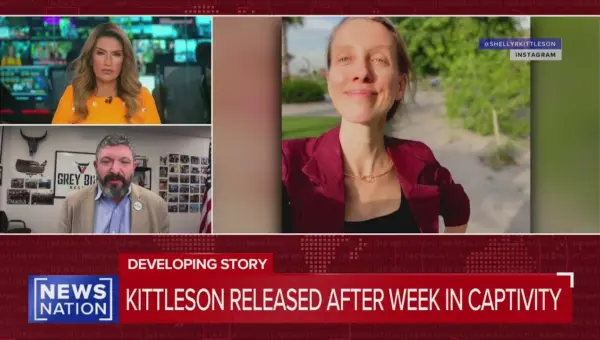
Iran-Backed Militia Flexes Power in Journalist’s Release
An American journalist, Shelly Kittleson, was released after being kidnapped in Iraq by the Iran-backed militia Kata'ib Hezbollah. The group's actions highlight its significant influence and sophisticated use of leverage in the region. This incident underscores the broader risks faced by journalists operating in conflict zones.