Iraq Militia Uses Journalist as Leverage, Signals Power
An American journalist, Shelly Kittleson, was freed after being kidnapped in Iraq by the Iran-backed Kata'ib Hezbollah militia. The group used her as leverage, demonstrating their power and sophisticated communication tactics. This incident highlights the significant risks journalists face and the complex influence of non-state actors in conflict zones.

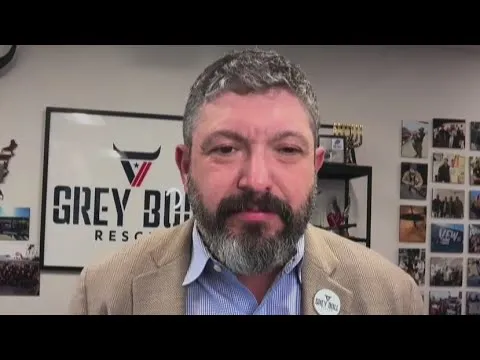
Militia Exploits Journalist for Leverage in Iraq
An American journalist, Shelly Kittleson, who was kidnapped in Iraq last month, has been freed. An Iran-backed militia group known as Kata’ib Hezbollah claimed responsibility for her release. This group stated they would let her go only if she left the country immediately. The situation highlights the dangers faced by journalists working in conflict zones, especially women.
Journalists Face High Risks
The release of Kittleson is a relief, but it points to a larger problem. Experts note that while it’s good when journalists are safely returned, many are held for extended periods. For example, journalist Austin Tice has been missing for years. Being a freelance journalist in places like Iraq, without security or support, is very risky.
Kata’ib Hezbollah’s Influence
Kata’ib Hezbollah is a powerful group within Iraq. They have the ability to take people off the streets and control situations. The group’s actions demonstrate their influence. They can carry out kidnappings and then negotiate terms for release. This shows they can operate with a degree of freedom and control the narrative.
Strategic Messaging by Militias
The militia’s decision to publicly claim responsibility for the release, after initially not taking credit, is a strategic move. They are sending a message that they are in control and can act as they wish. They also stated this kind of initiative would not happen again, suggesting they made a specific decision for this instance.
Leverage, Not Ideology
Experts believe Kittleson was taken not for her reporting, but as leverage. Militias like Kata’ib Hezbollah see individuals, especially foreign nationals, as valuable assets. They can use them to gain concessions or make political statements. The goal is to exert influence and show their power on the ground.
Sophisticated Communication Tactics
These militia groups are often more sophisticated in their communication than Western observers realize. They carefully craft their messages to achieve specific goals. Taking responsibility for a release, while also setting future conditions, is part of this strategy. They aim to control perceptions and demonstrate their capabilities.
Broader Implications for Journalists
The case of Shelly Kittleson is not just about one journalist. It’s about the safety of all journalists working in dangerous regions. The fact that a group can snatch someone off the street and then negotiate their release shows a breakdown in security and state control. This creates a climate of fear and uncertainty.
Why This Reshapes the World Order
This incident in Iraq shows how non-state actors, like powerful militias, can exert significant influence. They can challenge government authority and international norms. Their ability to take foreign nationals hostage and negotiate their release demonstrates a shift in power dynamics. It suggests that traditional state-backed diplomacy may not always be enough to ensure the safety of citizens abroad. These groups can operate with a level of autonomy that complicates international relations and security efforts.
Historical Context
Kidnapping for leverage is not new. Throughout history, groups have taken hostages to achieve political or financial goals. In modern times, this tactic has been used by various groups in conflict zones. The involvement of Iran-backed militias in Iraq adds another layer, hinting at regional power struggles and proxy influence. This incident echoes past situations where foreign nationals became pawns in larger geopolitical games.
Economic and Political Factors
The influence of groups like Kata’ib Hezbollah is often tied to political and economic support. Iran’s backing provides them with resources and strategic backing. This allows them to operate effectively and carry out actions like kidnappings. The ongoing instability in Iraq also provides fertile ground for such groups to thrive and exert control.
Future Scenarios
One possible future scenario is that such kidnappings continue, forcing more complex negotiations involving multiple parties. Another is that increased international pressure and intelligence sharing could make these groups less successful. It’s also possible that as Iraq’s internal security improves, the ability of these militias to operate freely will diminish. However, the demonstrated ability of these groups to act and control narratives suggests a challenging road ahead for journalist safety and regional stability.
Source: American journalist freed in Iraq was taken for leverage, expert says | NewsNation Live (YouTube)

Related Articles

Iran Deal Risk: Quick Pact Could Ignite Bigger War
A swift agreement with Iran carries the risk of escalating into a larger conflict, warns former advisor Larry Kudlow. He emphasizes the need for rigorous verification, citing Iran's history of unfulfilled promises and its advanced nuclear and missile capabilities. The vast gap in demands between Iran and the U.S. makes a quick deal unlikely, while President Trump signals readiness for decisive military action.

US Tightens Iran Stranglehold with Deadline
The Trump administration has issued a firm deadline to Iran, threatening further military action if the regime does not alter its behavior. This escalation follows strikes on key oil infrastructure and highlights deep-seated U.S. grievances against Iran.


Iran Ceasefire Talks Extend Amid Oil Price Surge
Pakistan has proposed a two-week ceasefire in the Middle East, leading to reviews by the White House and Iran. The talks aim to stabilize the region and prevent further disruption to oil supplies, with Brent crude prices briefly hitting $144 per barrel. Potential progress in negotiations has also influenced Bitcoin's climb towards $70,000.