Iran Deal Risk: Quick Pact Could Ignite Bigger War
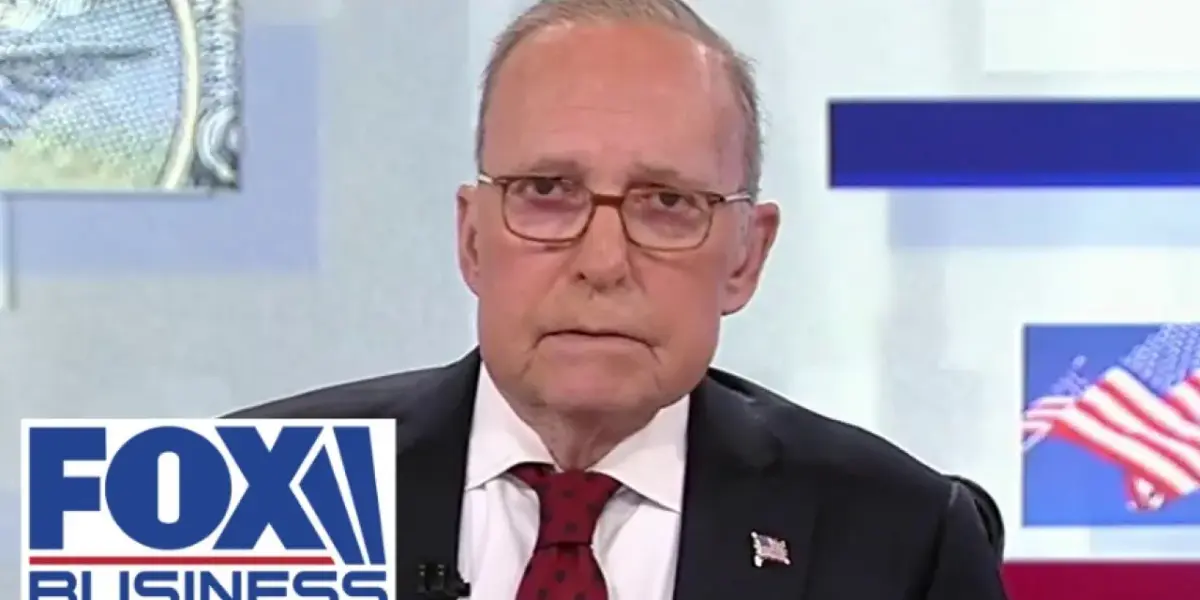
A swift agreement with Iran carries the risk of escalating into a larger conflict, warns former advisor Larry Kudlow. He emphasizes the need for rigorous verification, citing Iran's history of unfulfilled promises and its advanced nuclear and missile capabilities. The vast gap in demands between Iran and the U.S. makes a quick deal unlikely, while President Trump signals readiness for decisive military action.

Iran Deal Risk: Quick Pact Could Ignite Bigger War
A hastily arranged agreement with Iran could lead to a more severe conflict down the road, according to concerns raised by former White House economic advisor Larry Kudlow. He warns that rushing into a deal without thorough verification risks emboldening Iran and increasing the chances of future confrontations.
Kudlow, a supporter of President Trump’s military actions, expressed worry that a poorly negotiated deal now might mean a larger war later. He recalled a conversation with President Trump about eight weeks prior, where the issue of Iran’s untrustworthiness was discussed. Kudlow noted that many past agreements with Iran were never properly checked by international nuclear watchdogs.
Iran’s Nuclear Ambitions and Strait of Hormuz Threat
President Trump has pointed out that Iran’s nuclear program has advanced faster than expected. Iran has enriched uranium to levels higher than previously thought. They also possess Intercontinental Ballistic Missile (ICBM) capabilities that extend further than anticipated. Iran has also been seen as threatening the Strait of Hormuz, a crucial waterway for global oil transport, as a form of economic pressure.
Details about the current discussions, which are largely indirect, remain unclear. It appears Iran has also halted direct communication with the United States. However, the stated positions of both sides show a vast difference.
Conflicting Demands Between Iran and the U.S.
Iran’s demands include an end to regional conflicts, a plan for safe passage through the Strait of Hormuz, and reparations for reconstruction. They also want sanctions against them to be lifted. On the other hand, President Trump’s main goals are a complete halt to all of Iran’s nuclear activities and facilities. He insists on no uranium enrichment within Iran and the transfer of Iran’s enriched uranium stockpile to the International Atomic Energy Agency (IAEA).
Furthermore, Trump’s objectives include the full dismantling of Iran’s nuclear sites, such as those at Fordow and Isfahan. He also demands an end to Iran’s support for terrorism and proxy groups. The U.S. also seeks the dismantling of Iran’s ballistic missile programs and the reopening of the Strait of Hormuz. These positions are so far apart that a deal appears difficult to achieve at this time.
President Trump’s Stance on Military Action
Recent statements from President Trump suggest that a deal is unlikely. When asked if he was willing to continue military action, Trump responded, “We’ll have to watch.” He also stated, “The entire country can be taken out in one night and that night might be tomorrow night.” He outlined a military plan to completely demolish bridges and power plants in Iran by a specific deadline, indicating a readiness for forceful action.
Concerns Over Iranian Negotiation Tactics
Kudlow urged rejection of any talk of cease-fires or deal extensions, calling them part of Iran’s long-standing strategy. He described Iran as experts at delaying tactics, stalling, and arguing over details like meeting locations. He hopes President Trump will not allow these tactics to succeed any longer.
He believes President Trump, known for his decisive actions, understands that allowing Iran to play these games would undermine international respect. Walking away without securing the reopening of the Strait of Hormuz would make him appear weak, which Kudlow asserts is not Trump’s style. Trump is seen as a man of his word.
Potential for Historical Impact
Kudlow suggested that in all likelihood, a significant military push by the United States and possibly Israel would follow soon after a certain deadline. He believes President Trump has a historic opportunity to end all of Iran’s capabilities, including its nuclear program, terrorist activities, missile development, and threats to the Strait of Hormuz. Such actions could bring freedom and prosperity to the Middle East and the world, potentially marking Trump as one of the greatest presidents in history.
Market Impact
Geopolitical tensions, particularly concerning the Middle East and energy markets, can significantly influence global financial stability. Any escalation of conflict involving Iran, a major oil producer, could lead to disruptions in oil supply. This could cause oil prices to surge, impacting transportation costs, inflation, and overall economic growth worldwide. Conversely, a de-escalation or a verifiable agreement could lead to greater stability in energy markets and a more positive outlook for the global economy.
What Investors Should Know
Investors should monitor developments in the Middle East closely. Fluctuations in oil prices are a key indicator to watch. Companies in the energy sector, transportation, and industries heavily reliant on oil could see their stock prices affected by geopolitical events. Diversifying investment portfolios can help manage risks associated with such global uncertainties. Understanding the complex dynamics between nations involved is crucial for making informed investment decisions, especially when significant global economic factors are at play.
Source: Larry Kudlow: Any Iran deal cobbled too quickly runs this risk (YouTube)

Related Articles

US Tightens Iran Stranglehold with Deadline
The Trump administration has issued a firm deadline to Iran, threatening further military action if the regime does not alter its behavior. This escalation follows strikes on key oil infrastructure and highlights deep-seated U.S. grievances against Iran.

Iran Ceasefire Talks Extend Amid Oil Price Surge
Pakistan has proposed a two-week ceasefire in the Middle East, leading to reviews by the White House and Iran. The talks aim to stabilize the region and prevent further disruption to oil supplies, with Brent crude prices briefly hitting $144 per barrel. Potential progress in negotiations has also influenced Bitcoin's climb towards $70,000.

Trump’s Iran Threat Sparks Global Alarm, Allies Urge Restraint
President Donald Trump's stark warning that "a whole civilization will die tonight" has escalated global tensions, creating fears of an imminent military assault on Iran. Critics describe the situation as a "worldwide tinderbox," with diplomatic channels reportedly severed and Iran reportedly preparing defensive measures. Allies and commentators are urging restraint, warning of catastrophic consequences if the threats are acted upon.