US Tightens Iran Stranglehold with Deadline
The Trump administration has issued a firm deadline to Iran, threatening further military action if the regime does not alter its behavior. This escalation follows strikes on key oil infrastructure and highlights deep-seated U.S. grievances against Iran.


US Tightens Iran Stranglehold with Deadline
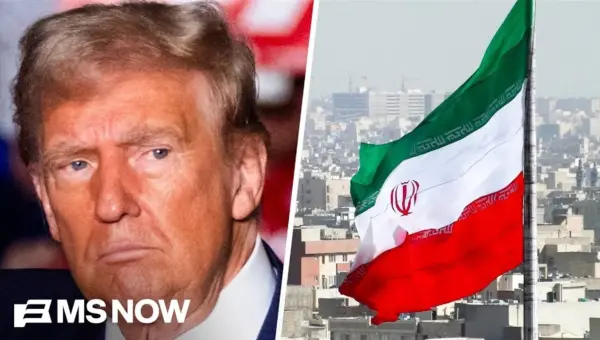
The United States has delivered a stark ultimatum to Iran, setting a firm deadline for the regime to change its behavior or face further military action. This move signals a significant escalation in tensions, with the Trump administration appearing ‘dead serious’ about its threats.
A Ticking Clock for Tehran
The core of this confrontation is a deadline set by President Trump, which has created a sense of urgency across the international community. The administration has made it clear that it will not strike Iran’s energy and infrastructure targets further, but only if Iran makes a proposal the U.S. can accept. If Iran fails to present such a proposal by Tuesday at 8 PM, the U.S. reserves the right to resume strikes. This ultimatum follows recent U.S. military actions, including strikes on key oil export hubs like Kharg Island.
Shifting Strategy or Calculated Risk?
Vice President Mike Pence described the strikes on Kharg Island as a change in strategy. However, many observers question the specific strategy behind the administration’s approach. Geraldo Rivera, a commentator, suggests the strategy is to demonstrate the President’s absolute seriousness to Iran. He compares the approach to dealing with a unpredictable but formidable individual, implying that this unpredictability might be a deliberate tactic to make Iran listen.
Motivations and Historical Grievances
The Trump administration’s stance is rooted in a deep distrust of the Iranian regime, which it views as a state sponsor of terror. This view is not new and is shared by many, including figures in the financial sector like Jamie Dimon of Chase. Rivera himself expresses personal grievances, citing Iran’s alleged role in the 1983 Beirut barracks bombing that killed 241 Marines and other attacks. He argues that Iran has been responsible for ‘crimes against humanity’ for 47 years and that ‘enough is enough.’ The administration believes the current regime is a threat not only to its own people but also to global stability, particularly through its ballistic missile program and potential nuclear advancements.
Iran’s Actions and International Concerns
Iran’s actions, such as threatening to close the Strait of Hormuz, a vital oil shipping route, and its continued support for groups like Hezbollah, have further fueled tensions. The administration’s ultimatum aims to pressure Iran into halting these activities and potentially engaging in meaningful negotiations. The threat of Iran developing ballistic missiles capable of reaching over 2000 miles and integrating them with advanced warheads is seen as a major destabilizing factor, putting the world on constant alert.
The Path to De-escalation?
Despite the harsh rhetoric and military actions, there appears to be a window for de-escalation. The administration hopes that Pakistan’s involvement in conveying messages to Iran might be yielding results. The current pause in strikes on oil infrastructure, pending the deadline, offers a brief period for diplomacy. Figures like Jared Kushner and others are mentioned as potential negotiators who might be able to make progress with Iranian representatives. The ultimate goal, as expressed, is to avoid civilian casualties and the destruction of civilian infrastructure, while simultaneously addressing the perceived threat posed by the Iranian regime.
Global Impact
This high-stakes confrontation has significant implications for global energy markets, regional security, and international diplomacy. The Strait of Hormuz is critical for global oil supply, and any disruption could lead to soaring prices and economic instability worldwide. The conflict also draws in regional players, potentially leading to wider proxy wars or a direct military confrontation. The effectiveness of such ultimatums in achieving long-term diplomatic solutions remains a subject of debate, with critics concerned about unintended consequences and the potential for escalation.
Looking Ahead
The coming days are crucial. Whether Iran chooses to engage constructively or remains defiant will determine the next steps. The U.S. has signaled a strong resolve, but the path forward will likely involve a complex interplay of diplomacy, economic pressure, and the ever-present threat of military force. The world watches closely to see if this deadline leads to a breakthrough or a further descent into conflict.
Source: Trump administration 'dead serious' about threats to Iran after deadline: Rivera | NewsNation Live (YouTube)

Related Articles


Iran Ceasefire Talks Extend Amid Oil Price Surge
Pakistan has proposed a two-week ceasefire in the Middle East, leading to reviews by the White House and Iran. The talks aim to stabilize the region and prevent further disruption to oil supplies, with Brent crude prices briefly hitting $144 per barrel. Potential progress in negotiations has also influenced Bitcoin's climb towards $70,000.


Trump’s Iran Threat Sparks Global Alarm, Allies Urge Restraint
President Donald Trump's stark warning that "a whole civilization will die tonight" has escalated global tensions, creating fears of an imminent military assault on Iran. Critics describe the situation as a "worldwide tinderbox," with diplomatic channels reportedly severed and Iran reportedly preparing defensive measures. Allies and commentators are urging restraint, warning of catastrophic consequences if the threats are acted upon.
Journalist Slams Trump’s ‘Putin-esque’ War Crime Threats
Journalist Tara Setmayer has sharply criticized President Trump's threats against Iran, labeling them as a potential 'Putin-esque war crime.' She highlights concerns over his extreme rhetoric, influenced by religious advisors, and calls for elected Republicans to act. The article warns of the long-term consequences and the risk of hardened Iranian resolve.