Christian Nationalists Reveal Their True Aims for Society
Christian nationalists are increasingly vocal about their desire for women to have limited public roles, advocating for a hierarchical society. This analysis explores their core arguments, historical parallels, and the urgent need for opponents to engage before these views shape public policy.


Christian Nationalists Reveal Their True Aims for Society
Some groups, known as Christian nationalists, are openly stating beliefs that have long been hinted at. These beliefs suggest that women should not hold prominent roles in public life. This idea is rooted in a desire for a strict social order where certain people decide who is valuable and who is not.
The Core Argument: Dependency and Hierarchy
The underlying idea for these Christian nationalists seems to be about keeping women dependent. This dependency is then used to justify a rigid social structure. In this structure, a small, select group would have the power to determine the worth and place of others in society. This creates an environment of unbridled hierarchy, where power is concentrated and social mobility is limited.
A Call to Action for Opponents
For those who disagree with this vision, the message is clear: understand this reality now. The speaker emphasizes the urgency of the situation, suggesting that the time to act is before these beliefs are fully put into practice and the ability to resist is lost. The stakes are high, and the movement is described as being very serious about its goals.
The speaker urges listeners to grasp this emerging truth and to use the power they currently possess. This power is seen as crucial for preventing the imposition of a society that many would find undesirable. The sentiment is that inaction is not an option when fundamental rights and societal roles are being challenged.
Historical Context: Echoes of Past Ideologies
The ideas expressed by Christian nationalists today are not entirely new. Throughout history, various movements have sought to define specific roles for women based on religious or traditional interpretations. These historical precedents often involved limiting women’s access to education, public office, and economic independence. The goal was frequently to maintain a patriarchal social order. Understanding these past attempts helps us recognize the patterns and potential consequences of similar ideologies emerging today.
The Modern Manifestation: Public Statements and Political Influence
What is different now, according to the analysis, is that these ideas are being spoken aloud more openly. Christian nationalist groups are becoming more vocal, using public platforms to articulate their vision for society. This includes advocating for policies that would reflect their views on gender roles and the separation of church and state. Their increasing visibility suggests a growing confidence and a strategic effort to influence public discourse and policy-making.
Why This Matters
This development is significant because it directly challenges long-standing progress in gender equality and individual freedoms. If a segment of society actively seeks to relegate women to a subordinate public role, it impacts everyone. It raises questions about democratic values, the rights of individuals to participate fully in society, and the very definition of a just and equitable community. The potential for such beliefs to shape laws and social norms makes it a critical issue for citizens to understand and address.
Implications and Future Outlook
The direct and open articulation of these views by Christian nationalists has several implications. It forces a confrontation with ideologies that might have previously operated more subtly. It also creates a clear divide, making it easier for those who oppose such views to organize and advocate for their own vision of society. The future outlook depends heavily on the response from the broader public and political bodies. If these ideas gain traction, we could see renewed debates and policy battles over women’s rights, public education, and the role of religion in government. Conversely, a strong, unified opposition could help to reinforce existing protections and promote a more inclusive public sphere.
The Urgency of Engagement
The core message is one of urgency. The speaker believes that if these Christian nationalist aims are not countered, they could become the dominant framework for society. This means that individuals who value equality and broader participation must engage now. This engagement could take many forms, from political advocacy and voting to supporting organizations that champion civil rights and gender equality. The call to action is not just about expressing disagreement; it’s about actively working to preserve and advance a society where all individuals have the opportunity to contribute and thrive.
Source: They're Saying The QUIET PART Out Loud… | PoliticsGirl (YouTube)

Related Articles


Ex-General Slams ‘Secretary of War Crimes’ Over Iran Comments
A former Army general has sharply criticized potential U.S. military actions against Iran, labeling the Defense Secretary's office the 'Secretary of War Crimes.' He warned that following such orders would be illegal and could lead to soldiers facing international tribunals.

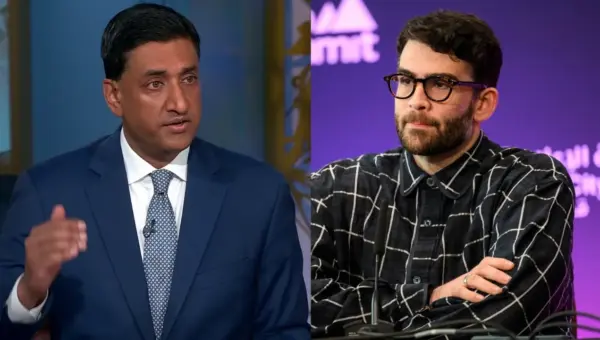
Ro Khanna Defends Hasan Piker Show Appearances: ‘We Must Engage’
Representative Ro Khanna defends his appearances on Hasan Piker's show, arguing that engaging with diverse audiences is vital for political discourse. Despite criticism over Piker's past remarks, Khanna believes politicians must meet audiences where they are and push back against harmful rhetoric directly.
Ro Khanna Demands Bondi Testimony, Criticizes War Funding
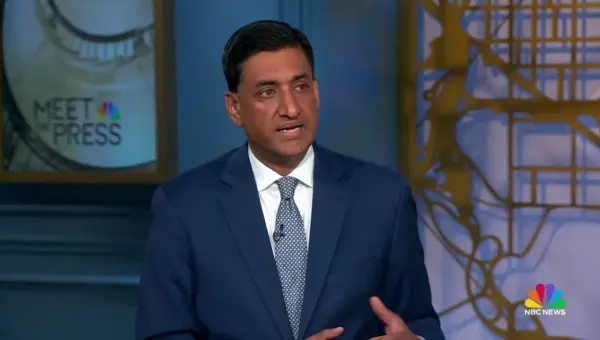
Congressman Ro Khanna is demanding that former Attorney General Pam Bondi testify about the Epstein files, regardless of her current private citizen status. He also strongly opposes new war funding, advocating instead for domestic investments, and defends his strategy of engaging with controversial media platforms to reach a wider audience.