Iran Ceasefire Talks Extend Amid Oil Price Surge
Pakistan has proposed a two-week ceasefire in the Middle East, leading to reviews by the White House and Iran. The talks aim to stabilize the region and prevent further disruption to oil supplies, with Brent crude prices briefly hitting $144 per barrel. Potential progress in negotiations has also influenced Bitcoin's climb towards $70,000.


Iran Ceasefire Talks Extend Amid Oil Price Surge
Tensions in the Middle East are showing signs of a potential de-escalation as Pakistan proposes a two-week ceasefire between Iran and other involved parties. This proposal, aimed at halting missile and drone attacks and preventing new mine-laying in the Strait of Hormuz, has prompted reviews from both the White House and Iranian officials. The Pakistani army chief is leading these high-level negotiations, seeking to bring stability to a region vital for global oil supply.
The proposal includes a request to extend a Tuesday deadline by two weeks, a move that could potentially be agreed upon by both sides. While some Iranian military factions, like the IRGC, have suggested continuing strikes on areas such as Israel and Kuwait, other officials have indicated that mediation efforts are ongoing. This comes amid reports of increased military activity, including drone and missile interceptions, with sirens heard in Bahrain and the UAE responding to threats. Kuwait has closed businesses temporarily, and explosions have been reported in Doha and Baghdad. The Iraq Aluminum facility in central Iran was also reportedly hit.
Former President Donald Trump has stated he is reviewing the Pakistani proposal. His negotiators have been reportedly engaged in intense discussions with Iran, though the extent of the negotiating partners’ influence remains unclear. Some Iranian factions have denied engaging in direct talks with Trump, adding complexity to the situation. However, the shared review of Pakistan’s proposal offers a point of common ground.
Oil Market Reacts to Geopolitical Tensions
The unfolding events have had a significant impact on oil markets. Near-term Brent crude oil prices briefly touched $144 per barrel. Following the news of the Pakistani proposal and potential progress in talks, oil prices saw a slight pullback. WTI crude retraced from around $115, and Brent fell approximately 5.6% to about $109 per barrel earlier today. These fluctuations highlight the market’s sensitivity to geopolitical stability in oil-producing regions.
The stability of the Strait of Hormuz is crucial for global oil transport. If the strait remains open, it could help lower oil prices and ease economic concerns, potentially helping to avoid a recession. Conversely, disruptions could lead to higher energy costs and increased market volatility.
Assessing the Likelihood of Escalation
Scenarios have been considered regarding potential military actions. While a low probability, about 15%, was assigned to the possibility of targeted strikes on infrastructure like bridges and power plants, a 50% chance was given for some form of extension due to progress in talks. This latter scenario now appears more likely, offering a more optimistic outlook than widespread conflict.
The conflict has also drawn political commentary. House Speaker Nancy Pelosi has expressed concerns about the potential instability and danger, suggesting that if the cabinet does not act, Republicans should convene Congress to end the war. This follows a notification to Congress under the War Powers Act, which was initially met with a rejection of a proposal by Democrats to end the conflict, with both chambers of Congress currently controlled by Republicans.
Cryptocurrency Market Shows Positive Movement
In a related development, Bitcoin has approached $70,000. This surge is being linked by some analysts to the hope for positive news from the Middle East negotiations. While not necessarily driven by fundamental changes in the cryptocurrency market itself, the movement suggests investors are seeking risk assets with liquidity, especially those tradable outside of regular stock market hours, during periods of geopolitical uncertainty.
What Investors Should Know
The ongoing negotiations and potential ceasefire extension offer a glimmer of hope for reduced geopolitical risk in the Middle East. Investors should monitor developments closely, particularly regarding the status of the Strait of Hormuz and its impact on oil prices. A sustained opening of the strait could lead to lower energy costs and greater market stability. The cryptocurrency market’s reaction suggests that investors are looking for opportunities in risk assets amidst global news. The situation remains fluid, with ongoing diplomatic efforts aiming to prevent further escalation and restore regional calm.
Source: TRUMP: HERE IT COMES | Iran Update (YouTube)

Related Articles


Trump’s Iran Threat Sparks Global Alarm, Allies Urge Restraint
President Donald Trump's stark warning that "a whole civilization will die tonight" has escalated global tensions, creating fears of an imminent military assault on Iran. Critics describe the situation as a "worldwide tinderbox," with diplomatic channels reportedly severed and Iran reportedly preparing defensive measures. Allies and commentators are urging restraint, warning of catastrophic consequences if the threats are acted upon.
Journalist Slams Trump’s ‘Putin-esque’ War Crime Threats
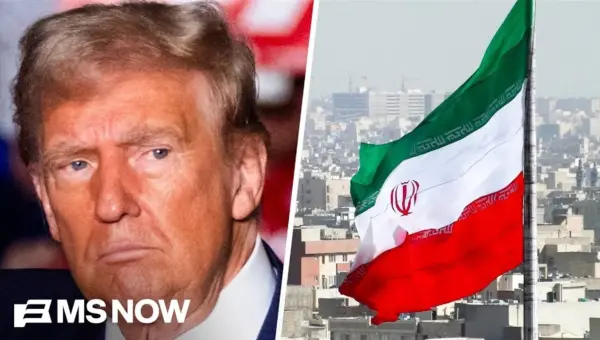
Journalist Tara Setmayer has sharply criticized President Trump's threats against Iran, labeling them as a potential 'Putin-esque war crime.' She highlights concerns over his extreme rhetoric, influenced by religious advisors, and calls for elected Republicans to act. The article warns of the long-term consequences and the risk of hardened Iranian resolve.
Trump Aware of Pakistan’s Proposal to Delay Iran Deadline
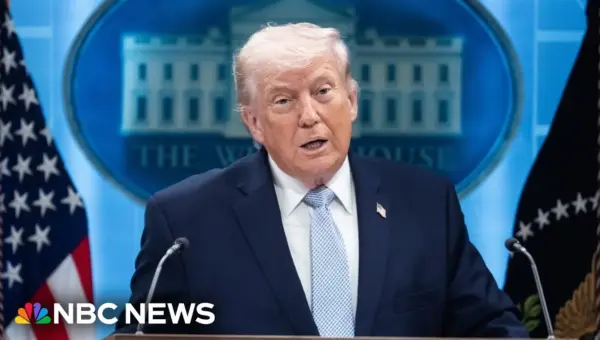
President Trump is aware of a proposal from Pakistan seeking a two-week extension to the deadline for Iran. This comes as tensions remain high, with the U.S. military prepared for potential action. Markets have reacted with volatility, while regional leaders express anxiety over escalating conflict.