Europe Seeks New Defense Path as US Eyes NATO Exit
Growing U.S. frustration with NATO, particularly regarding the Iran conflict, is pushing European nations to explore independent defense options. While allies reaffirm commitments, they question the U.S. role and are considering a future with less reliance on American leadership.

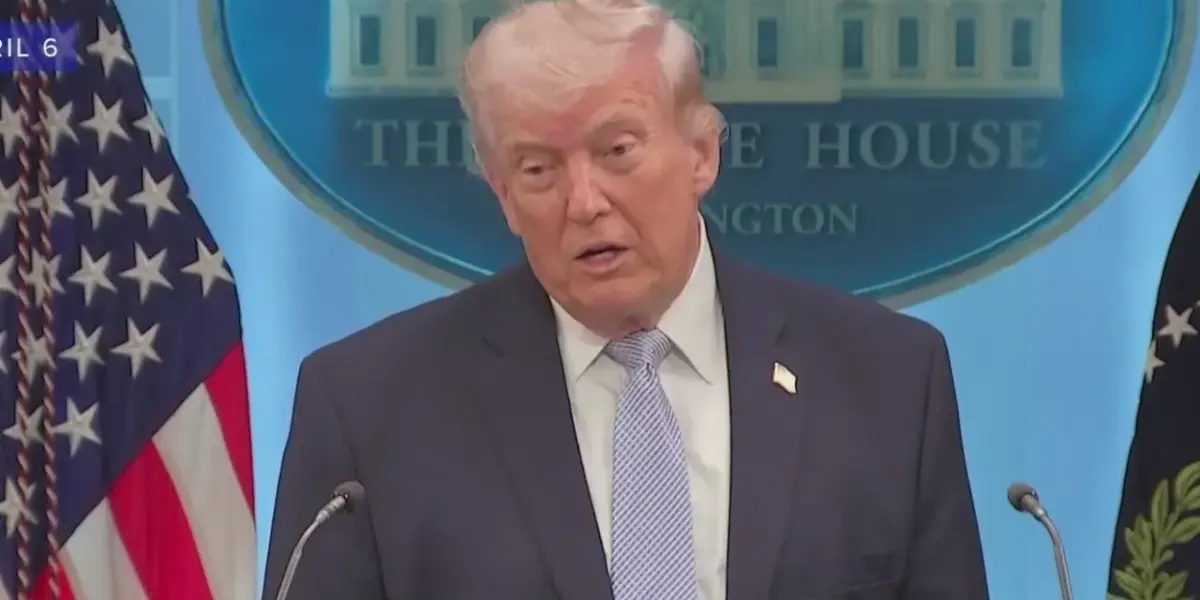
Europe Considers New Defense Options Amid US NATO Friction
Europe is increasingly looking for its own security solutions. This is happening as the United States shows growing frustration with the NATO alliance. The U.S. feels NATO is not helping enough, especially with the ongoing conflict involving Iran. This has led to discussions about Europe potentially forming its own defense framework, separate from the U.S.
US Frustration with NATO Grows
President Trump has been very open about his disappointment with NATO. He believes the alliance is not doing enough to support U.S. interests. Specifically, he has expressed frustration that NATO allies have not assisted more in the U.S. war effort in Iran. Some in the administration even see NATO as a roadblock to U.S. actions.
Trump has stated that he expected more from NATO members. He famously remarked, “We went to NATO. I didn’t ask very strongly. I just said, ‘Hey, if you want to help, great.’ No, no, no. We will not have.” He has also called NATO a “paper tiger,” suggesting it lacks real power and that Russian President Putin is not afraid of it, but rather of the United States.
Strait of Hormuz Meeting Highlights Gaps
The tensions were visible in a recent virtual military meeting hosted by the United Kingdom. The meeting focused on ensuring safe passage through the Strait of Hormuz, a crucial waterway for global oil transport. Participants included the UK, France, Germany, Canada, Japan, and the UAE.
Notably, Israel and the United States were not invited to this meeting. Britain’s Prime Minister stated that efforts to guarantee safe passage would only begin after the fighting stops. This indicates a different approach from the U.S., which has been more aggressive regarding the Strait of Hormuz.
European Allies Reaffirm Commitments, But Question U.S. Role
Despite U.S. criticism, many European leaders have reaffirmed their commitment to NATO’s core principle: defending any member under attack. However, they also point out that the current situation is different. The U.S. initiated the conflict with Iran, and therefore, European countries do not feel obligated to join the military action.
Some European nations are now actively considering future security arrangements that do not heavily rely on the U.S. Spain’s Foreign Minister stated that NATO is mutually beneficial but that U.S. remarks and positions are prompting Europeans to think about their own sovereignty and defense matters. This suggests a growing desire for European strategic autonomy.
Upcoming White House Meeting Aims to Mend Ties
NATO Secretary General Mark Rutte is scheduled to visit the White House soon. This visit appears to be an effort to repair the damage done to the U.S.-NATO relationship. The meeting will be closely watched for any signs of de-escalation or further divergence.
Attention will be on whether other European leaders, such as French President Macron or German Chancellor Scholz, make any public statements before or after Rutte’s visit. Their comments, along with those of the UK Prime Minister, will offer clues about Europe’s evolving stance on security and its relationship with the United States.
Global Impact: Shifting Alliances and European Autonomy
The current friction between the U.S. and its NATO allies signals a potential reshaping of the global security order. For decades, NATO has been the cornerstone of Western security, largely driven by U.S. leadership and military power. However, the U.S.’s questioning of NATO’s value and its unilateral actions regarding Iran are forcing allies to reconsider their options.
Historical Context: From Post-War Alliance to Modern Strains
NATO was formed in 1949 after World War II to counter the Soviet Union. It was built on the idea of collective defense, where an attack on one member is an attack on all. This alliance has been central to European stability and U.S. global influence for over 70 years.
However, the alliance has faced strains before. European nations have sometimes felt the U.S. was too dominant, while the U.S. has often pushed allies to increase their defense spending and contribute more. The current situation, amplified by the U.S. role in the Iran conflict and differing views on security threats, represents a significant test of NATO’s enduring relevance.
Economic Leverage and Future Scenarios
Economic factors also play a role. While not explicitly detailed in the transcript, trade dependencies and access to energy routes like the Strait of Hormuz are vital for European economies. Any disruption to these routes due to conflict or political instability has significant economic consequences.
Several future scenarios are possible. One is a reconciliation, where the U.S. re-engages with NATO and allies find common ground. Another is a gradual decoupling, where Europe invests more in its own defense capabilities, potentially leading to a less U.S.-centric alliance. A more drastic scenario could involve Europe forming a distinct security bloc, fundamentally altering the transatlantic relationship.
Why This Reshapes the World Order
If Europe moves towards greater defense autonomy, it would mark a significant shift. It could lead to a more multipolar world, where power is distributed among several major centers rather than dominated by one superpower. This could also impact global trade, security cooperation on issues like terrorism, and the response to future international crises. The U.S. focus on its own interests, while understandable from a national perspective, risks weakening a collective security framework that has provided stability for decades.
Source: US remarks on NATO pushing Europe to seek alternative security options, Spain says | NewsNation Live (YouTube)

Related Articles

Iran War Looms: Trump’s Ultimatum Sparks Global Alarm
President Donald Trump's ultimatum to strike Iran's power plants and bridges has sparked global concern. This escalates tensions, raising fears of wider conflict and humanitarian crises. The situation demands careful consideration of diplomatic versus forceful approaches.

Ukraine Seizes Initiative on Frontlines
Ukraine has regained battlefield initiative, employing refined tactics and effective deep strikes into Russian territory. Russia is struggling to adapt with costly armored assaults and potential mobilization. Ukraine's air defense and drone capabilities are improving, while NATO's role in global security remains critical.


Trump Escalates Iran Tensions: A New Global Crisis?
Former President Donald Trump's recent strong warnings against Iran are raising global concerns about a potential new conflict. Analysts Adam Mockler and Ahmed Baba are breaking down these escalating tensions. The situation highlights the complex history of U.S.-Iran relations and the potential for significant geopolitical fallout.