Trump’s Iran Arms Blunder Echoes Past US Fiascoes
President Trump's recent admission of a failed plan to arm groups in Iran echoes past US foreign policy blunders. The weapons were reportedly kept by recipients, not used as intended. This incident raises concerns about decision-making and the effectiveness of interventionist strategies, drawing parallels to historical fiascoes like Iran-Contra.

Trump’s Iran Arms Blunder Echoes Past US Fiascoes
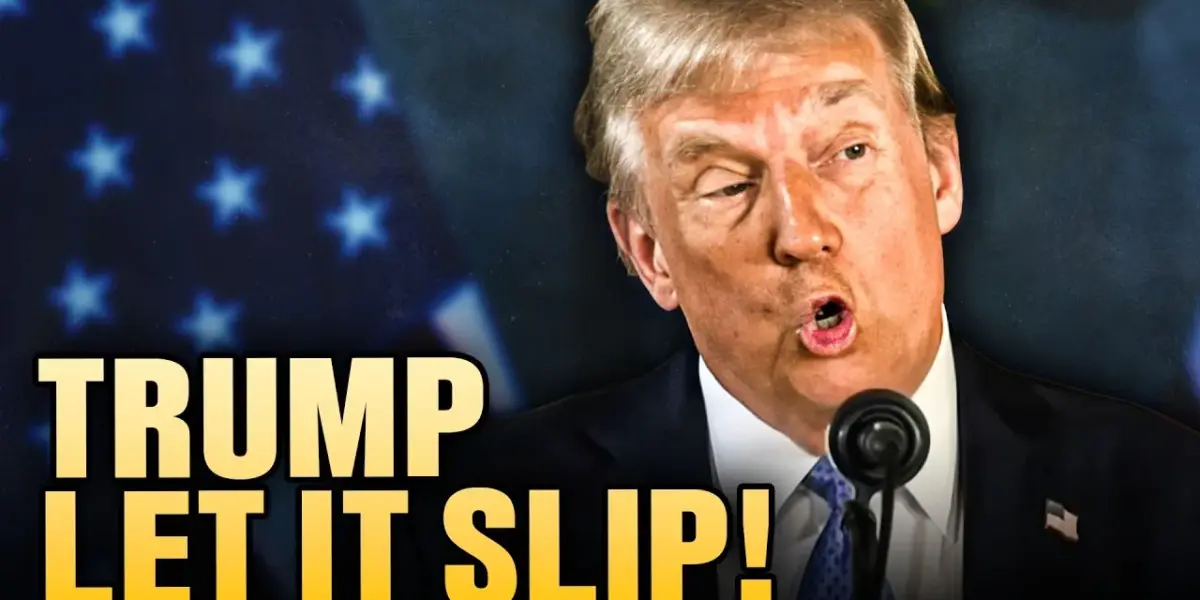
President Donald Trump recently revealed a White House plan to secretly arm groups in Iran. The goal was to help them fight against what he called “thugs.” However, the plan quickly went wrong. Trump explained to reporters that the weapons sent to one group were kept by the recipients. They apparently liked the guns so much, they decided to keep them instead of using them as intended.
Trump expressed frustration with this group, stating they would “pay a big price.” He also suggested that the Iranian people want to hear “bombs go off” because they desire freedom. This statement implies a belief that military action and internal conflict are the only paths to liberation for the Iranian people.
Historical Echoes of Failed Intervention
The idea of the United States arming groups in a foreign country to achieve political goals is not new. In fact, there’s a striking historical parallel that many observers have pointed out: the Iran-Contra affair of the 1980s. During that time, the US government secretly sold weapons to Iran, which was under an arms embargo. The money from these sales was then used to fund anti-government rebels in Nicaragua.
This earlier operation also ended poorly, involving secret dealings and significant controversy. The current situation with Iran seems to echo this past failure, raising questions about whether lessons have been learned from history. Trump’s comment about reliving the 80s, while perhaps intended to be a nostalgic remark, ironically highlights this recurring pattern of intervention.
More Than Just Iran: A Pattern of Unintended Consequences
The issues with the Iran plan aren’t isolated. The United States has a long history of similar interventions in other parts of the world, often with unintended and negative consequences. One notable example involves the early days of the Taliban in Afghanistan. In the 1980s, the CIA provided weapons, training, and funding to Afghan mujahideen fighters to help them combat the Soviet Union’s presence.
A young Osama bin Laden was among those who received support during this period. The intention was to counter Soviet influence. However, this strategy contributed to the rise of militant groups that later posed a threat to the US itself. This history shows how arming and supporting certain factions can lead to unforeseen dangers down the line.
Central and South America: A Troubled Legacy
The pattern of US intervention extends to Central and South America as well. Throughout various periods, the US has supported different groups and governments in these regions. These actions were often aimed at promoting specific political or economic interests. However, many of these interventions have been criticized for destabilizing countries, supporting authoritarian regimes, or leading to prolonged conflict.
The consistent outcome across these diverse geographical and historical contexts is that US-backed efforts rarely unfold as planned. The stated goals are often undermined by the complex realities on the ground. The result is frequently the opposite of what was intended, creating new problems or exacerbating existing ones.
The Current Blunder: Stupidity or Strategy?
The recent revelation about the Iran arms plan, particularly the admission that the weapons’ whereabouts are unknown, has led to strong criticism. Many find the level of alleged incompetence astonishing. The idea that weapons intended for a specific fighting force could simply be kept by the recipients, without any follow-up or accountability, strikes many as a profound failure of planning and execution.
Critics argue that such a fundamental misstep points to a deep lack of understanding of the region and the groups involved. It raises serious concerns about the decision-making processes within the administration. The notion that such a plan could be conceived and implemented without anticipating basic risks suggests, to some, a level of ignorance that is difficult to comprehend.
Why This Matters
This incident is significant because it highlights a potential pattern of flawed foreign policy decision-making. When interventions go awry, the consequences can be severe, impacting international stability, regional conflicts, and even national security. The apparent lack of foresight and the repetition of historical mistakes are worrying signs for those concerned about effective diplomacy and responsible global engagement.
Understanding these patterns is crucial for evaluating the effectiveness and potential risks of future foreign policy initiatives. It underscores the importance of learning from past failures and applying that knowledge to current challenges. The trust placed in leaders to make sound decisions on the international stage is paramount, and lapses in judgment can have far-reaching implications.
Implications and Future Outlook
The implications of this incident are multifaceted. It raises questions about the reliability of intelligence gathering and assessment within the US government. It also fuels skepticism about the efficacy of covert operations and arms-provision strategies. For the people of Iran, such interventions can lead to increased instability and prolonged conflict, regardless of the initial intentions.
Looking ahead, this event could lead to increased scrutiny of similar policies. It might encourage a more cautious approach to arming proxy groups in volatile regions. The long-term impact on US foreign relations and its credibility on the global stage remains to be seen. However, the repeated history of such plans backfiring suggests a need for a fundamental re-evaluation of interventionist strategies.
Source: Trump Accidentally Reveals INSANE Iran Plan To Reporters (YouTube)

Related Articles


Trump Escalates Iran Tensions: A New Global Crisis?
Former President Donald Trump's recent strong warnings against Iran are raising global concerns about a potential new conflict. Analysts Adam Mockler and Ahmed Baba are breaking down these escalating tensions. The situation highlights the complex history of U.S.-Iran relations and the potential for significant geopolitical fallout.

Trump’s Iran Threat Sparks Global Alarm, Experts Fear Rogue Nation Status
Former President Donald Trump's dire threats against Iran have ignited global alarm, with analysts warning of potential rogue nation status for the U.S. Amid stalled negotiations and deep skepticism from regional diplomats, concerns are mounting over the implications for global stability and the future of liberal democracy. Millions in Iran are living in fear as conflict intensifies and a critical deadline looms.

Dem Rep. Slams Trump’s Iran Threats as ‘Disgusting’
Representative Adam Smith voiced grave concerns over President Trump's threats against Iran, labeling them 'disgusting' and damaging to America's global standing. He urged Congress to curb presidential power and questioned the strategic goals and potential for war crimes associated with targeting civilian infrastructure.