Trump’s Iran Threat Sparks Global Alarm, Experts Fear Rogue Nation Status
Former President Donald Trump's dire threats against Iran have ignited global alarm, with analysts warning of potential rogue nation status for the U.S. Amid stalled negotiations and deep skepticism from regional diplomats, concerns are mounting over the implications for global stability and the future of liberal democracy. Millions in Iran are living in fear as conflict intensifies and a critical deadline looms.

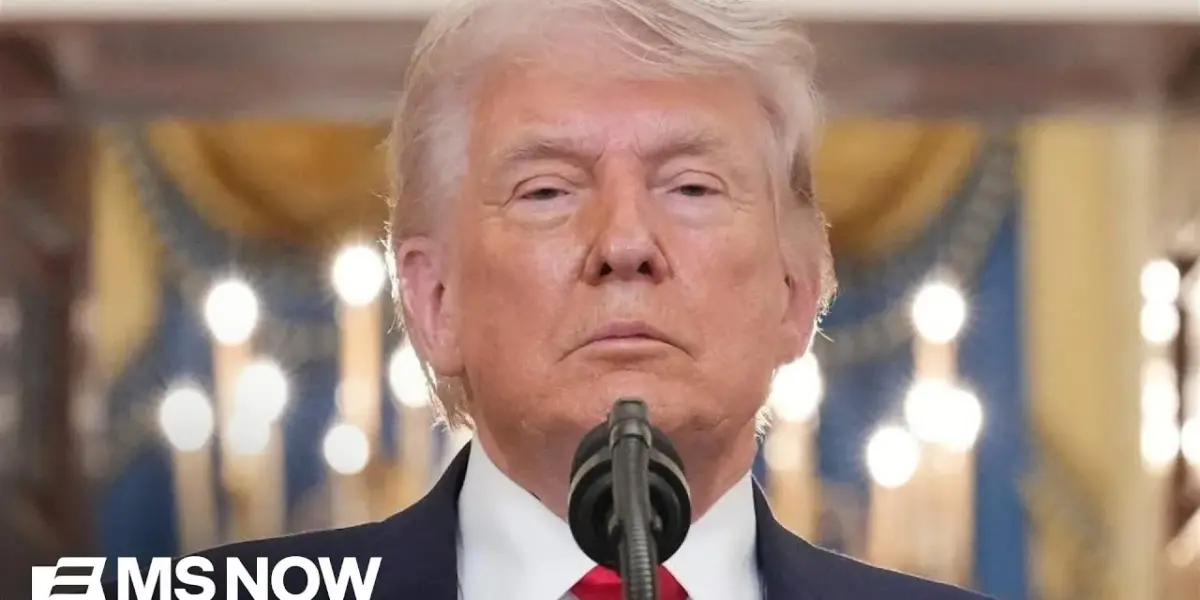
Trump’s Dire Iran Threat Sparks Global Alarm
In a move that has sent shockwaves across the globe, former President Donald Trump has issued stark warnings regarding Iran, threatening to potentially obliterate the nation. This rhetoric has prompted widespread concern, with analysts and international observers questioning the implications for global stability and America’s role in the world. The statements come amid stalled negotiations and a perceived lack of seriousness from the U.S. in reaching a diplomatic solution.
Skepticism Mounts Over Deal Prospects
Persian Gulf diplomats, speaking anonymously, expressed deep skepticism about the possibility of avoiding conflict through a deal. In conversations held just hours before a perceived deadline, two diplomats indicated that no significant progress had been made in ongoing negotiations. One diplomat specifically pointed to Vice President J.D. Vance’s presence in Hungary, noting that Trump had previously identified Vance, along with Steve Witkoff and Jared Kushner, as key negotiators with Iran. This situation, they believe, suggests that the U.S. is not genuinely committed to a peaceful resolution.
Analysts Condemn ‘Monsters of History’ Rhetoric
Charlie Sykes, author of the Substack newsletter “To the Contrary,” strongly criticized Trump’s language, stating, “This is the way the monsters of history speak.” He described the threats, which involve potentially destroying an entire civilization, as talk coming from a leader who controls the world’s largest nuclear arsenal. Sykes believes this moment could represent a turning point for America’s international standing, potentially leading the world to view the U.S. as a dangerous rogue nation. He drew a parallel to past threats, like those concerning Greenland, suggesting that Trump’s rhetoric about “wiping out one of the world’s oldest civilizations” is a profound departure from the norms of liberal democracies.
“The threat itself I think feels like a turning point for America’s role in the world. I think the rest of the world is going to look at the United States as a dangerous rogue nation.”
Military Role and ‘Dual Use’ Targets
Kevin Barron, president of Elevation Global Strategies and former executive editor of Defense One, offered a perspective shaped by decades of covering military affairs. He noted that while Trump is known for bluster, his threats must be taken seriously. Barron suggested that, in a reversal of typical Hollywood scenarios where generals push for war, it might be the military leadership that acts as a restraint. He expressed confidence that generals would strive for precision and avoid unnecessary escalation, even when faced with presidential directives. Reports suggest the military has developed an extensive target list, focusing on “dual use” facilities, which in modern terms could include infrastructure like power grids and data centers. The hope, Barron indicated, is that military leaders will ensure any strikes are justifiable and precise.
Global Isolation and Democratic Concerns
The escalating tensions have left the United States increasingly isolated on the world stage. Allies are reportedly pleading with Trump not to proceed with aggressive actions, and they are not showing signs of supporting U.S. demands or joining in potential military operations. This isolation has led some to express grave concerns about the future of American democracy. While acknowledging that this might not be the definitive end of democracy, the sentiment is that inaction in the face of such rhetoric could have severe consequences. International observers have noted a disconnect between the actions of the U.S. President and the values often associated with liberal democracies.
Fear Grips Iran Amidst Escalating Conflict
Meanwhile, within Iran, millions are living in fear as the deadline approaches and fighting intensifies. Recent days have seen increased Israeli targeting of residential areas, a railway line, and a key gas facility. Attacks also struck parts of Karg Island, a vital hub for Iran’s oil exports. The Iranian government has urged citizens to gather near energy facilities, ostensibly to deter attacks, and the speaker of the parliament has called for volunteers willing to engage in “self-sacrifice,” with reports suggesting millions have signed up. Iran has stated that a ceasefire agreement is contingent upon a permanent resolution, and the Strait of Hormuz remains under Iranian control. The situation leaves millions in Iran and across the Gulf region in a state of anxiety over potential retaliation.
A Decades-Long Push for Unfettered Warfare
The current situation is seen by some as the culmination of a decades-long movement within conservative circles that has sought to remove perceived constraints on warfare. This includes actions like cutting the civilian casualties office at the Pentagon and opposing international treaties that might limit military options. Analysts suggest this approach, which prioritizes total warfare and the ability to defend U.S. interests without restriction, has manifested intensely during past conflicts in Iraq and Afghanistan. The current rhetoric and potential actions are viewed by some as a direct result of this long-standing ideological push.
Uncertainty and Fear as Deadline Looms
As the critical deadline nears, a palpable sense of nervousness pervades. The uncertainty of what the next few hours will bring, coupled with the ongoing conflict and the potential for devastating escalation, has created an atmosphere of intense apprehension. The focus remains on whether diplomatic efforts can succeed or if the world will witness a significant escalation of hostilities, with profound implications for regional and global security.
Source: 'This is the way the monsters of history speak': Analyst slams Trump (YouTube)

Related Articles
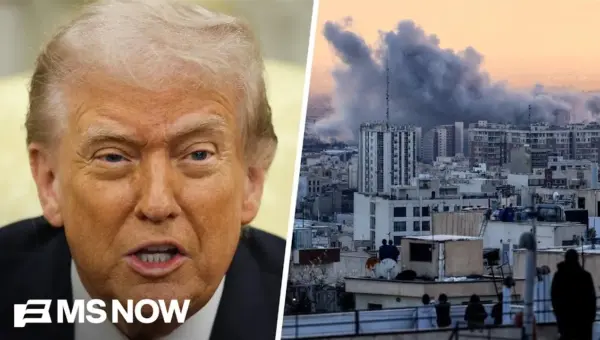
Dem Rep. Slams Trump’s Iran Threats as ‘Disgusting’
Representative Adam Smith voiced grave concerns over President Trump's threats against Iran, labeling them 'disgusting' and damaging to America's global standing. He urged Congress to curb presidential power and questioned the strategic goals and potential for war crimes associated with targeting civilian infrastructure.
Military Experts Weigh In on Trump’s Iran Threats
Military experts are expressing grave concerns over President Trump's threats to "wipe out civilization" in Iran, warning of potentially illegal orders and the dangerous impact on service members. Experts believe the rhetoric is counterproductive and may inadvertently strengthen the Iranian regime by playing on national patriotism.


US Trust Erodes, Shaking Global Security Alliances
Once seen as a high-trust society, the United States is now deeply divided, impacting its international standing. This erosion of trust within the US creates global uncertainty, weakening alliances like NATO and making international cooperation more difficult. The decline affects everything from political stability to economic relationships.