LIV Golf: Saudi Soft Power or Merely a Loss Leader?
LIV Golf is more than just a golf tour; it's a strategic tool for Saudi Arabia's global influence. While the PGA Tour has gained the upper hand in competition, LIV's true value lies in building connections and improving Saudi Arabia's image, not in making profits from the sport itself.

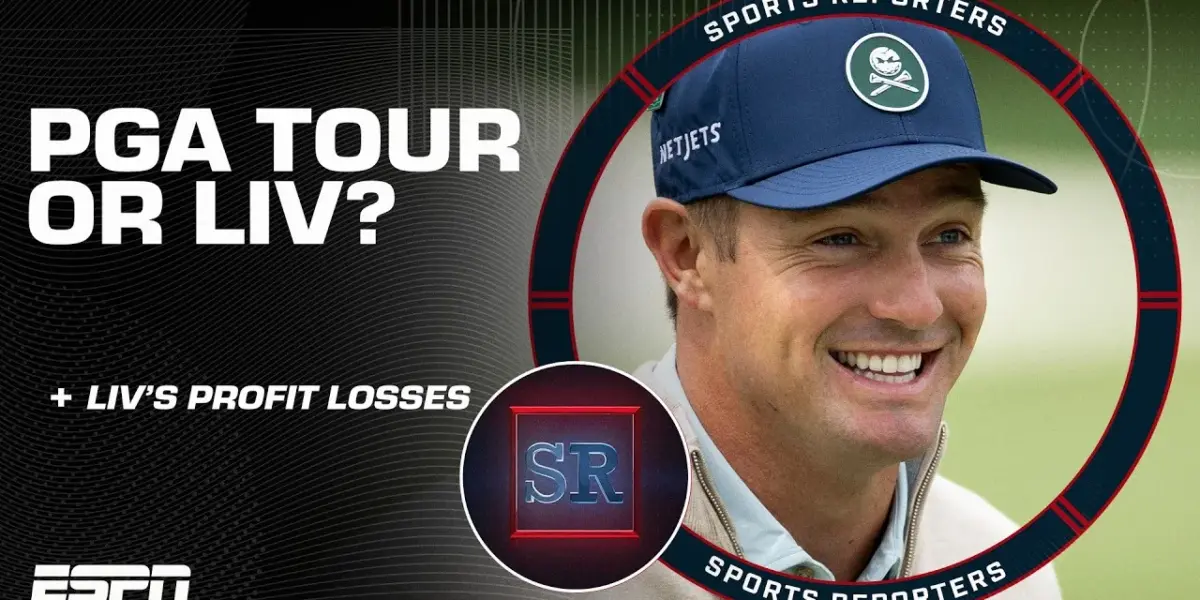
LIV Golf’s True Goal: Beyond Birdies and Bogeys
The world of professional golf has been shaken to its core. It’s not just about birdies and bogeys anymore. The arrival of LIV Golf has turned the sport into a major headline, pushing it from the sports pages to the front page of the news. Even the President of the United States and the Crown Prince of Saudi Arabia are involved.
This shift is massive. Before LIV Golf appeared, the biggest golf story in 2021 was a simple rule about driver length. Now, the game is tangled up with global politics and oil prices. This dramatic change has put golf, a sport some thought was fading after Tiger Woods’ prime, right at the center of major world events.
LIV Forced the PGA Tour’s Hand
LIV Golf didn’t just bring new tournaments; it sped up the pace of change on the PGA Tour. Before LIV, the PGA Tour was incredibly slow to make any real changes. Some joke that climate change is moving faster than the PGA Tour ever did.
LIV Golf forced the PGA Tour’s hand. They had to act quickly, making changes nobody expected. This rapid shift also caused problems for players on the PGA Tour. Some fought against LIV, while others were tempted away by lucrative offers.
The War for Golf: Who’s Winning?
According to golf writer Alan Shipnuck, the PGA Tour has essentially won the battle for golf. The PGA Tour now has a better product and new leadership. They’ve also secured private equity funding, making them stronger financially.
No major stars have left the PGA Tour in years, not since Jon Rahm. Shipnuck believes more big names will return as their LIV contracts expire. He stated, “The tour has won the war. There’s no doubt about that.”
LIV’s Real Mission: Soft Power
However, LIV Golf isn’t going away. Shipnuck explains that LIV isn’t really about golf itself. It’s a tool for Saudi Arabia to build its global influence, known as soft power. Their goals are much bigger than winning golf tournaments.
He points to an example in Australia. During a LIV event, Saudi Arabia announced a major trade deal to export billions of dollars worth of food to Australia. Even if the golf tournament lost money, the deal could feed their population and help prevent internal unrest. This shows LIV’s true purpose: to gain acceptance and influence in the Western world.
“You can’t look at a traditional balance sheet because they’re not trying to really buy viewers. They’re not trying to conduct tournaments. They are trying to get into the halls of power. They are trying to become accepted in the Western world.”
– Alan Shipnuck
The Business of LIV Golf: A Different Game
Many in the United States struggled to understand LIV’s strategy because they assumed it was all about making money. They focused on how much money LIV was losing. But LIV’s creators never claimed they aimed for profitability within a few years.
The vast wealth of Saudi Arabia makes traditional business metrics irrelevant. Shipnuck explains, “When you deal with something like that and they decide we don’t care about making money… what can we do to help our image?” They will continue to spend because their financial resources are immense.
LIV as a ‘Loss Leader’
Shipnuck compares LIV Golf to the famous cheap hot dogs at Costco. These hot dogs are sold at a loss to bring customers into the store, where they then spend money on other items. LIV Golf, he suggests, is a similar strategy.
The real business deals, the ones that will make Saudi Arabia billions, happen off the course. These deals are made during pro-ams, parties, and private meetings. The success of LIV isn’t measured by TV ratings or concession stand sales, but by the major business and political connections forged.
A Top-Notch Product is Still Key
Even if LIV’s main goal is soft power, the golf product itself needs to be high quality. To achieve their larger aims, LIV must offer a top-tier experience. This includes attracting good players and hosting exciting events.
If a business owner plays in a LIV pro-am, they still get a chance to network and make deals. Shipnuck argues they won’t turn down a business opportunity just because they didn’t play with Scottie Scheffler. The chance to connect is the main draw, regardless of star power.
The Future of LIV: Holding Onto Stars
While LIV’s fields have improved, especially in the lower ranks, star power remains crucial. The tour initially sold itself on big names. Losing top players like Brooks Koepka and Patrick Reed doesn’t hurt as much as losing Bryson DeChambeau.
Shipnuck believes DeChambeau is the most important player for LIV. If they can re-sign him, LIV can still claim to have one of the game’s best players. DeChambeau is also very popular with younger fans. If LIV loses him, they will have to rely more on competitive balance and a different way of selling the tour.
Source: Alan Shipnuck speaks on the state of LIV Golf vs. the PGA Tour | The Sports Reporters (YouTube)

Related Articles

YouTube Golf Stars Steal Spotlight from Pros
Golf is undergoing a major transformation, with YouTube creators bringing a fresh, relatable energy to the sport. While LIV Golf has shaken up the professional scene, it's the online personalities capturing the everyday golfer's experience that are drawing in a new generation. Experts discuss how this shift impacts the game's future, from amateur play to professional tours.

Iran Strikes Saudi Oil Hub, Threatening Global Energy
Iran's successful ballistic missile strike on Saudi Arabia's Jubail petrochemical complex exposes the vulnerability of global energy supplies. The attack threatens millions of barrels of oil and refined products, potentially causing price spikes and economic instability worldwide. This escalation signals a dangerous new phase in regional power dynamics.
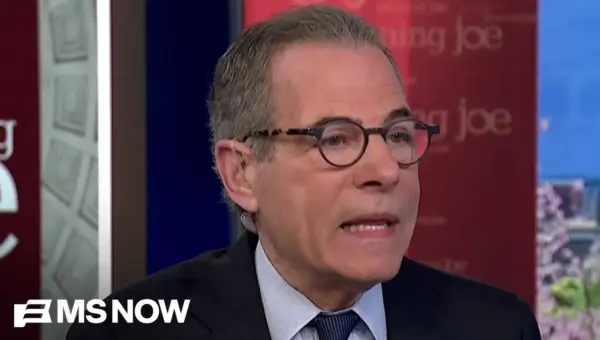
US Reputation Suffers Under Trump’s ‘War on Iran,’ Says Ex-Diplomat
Former Undersecretary of State Rick Stengel warns that America's global reputation may be permanently damaged by the Trump administration's foreign policy, particularly its actions concerning Iran. He argues that the U.S. has lost its "soft power," replaced by the "ugly American" image. General Barry McCaffrey also raised concerns about military leadership shake-ups and the strategic challenges in Iran.