Trump’s Iran Threats Spark War Crimes Fears
Former President Donald Trump's extreme threats against Iran have led to a communication blackout and fears of war crimes. Iran has warned of severe regional retaliation if attacked, while international figures call for Trump's removal from office.

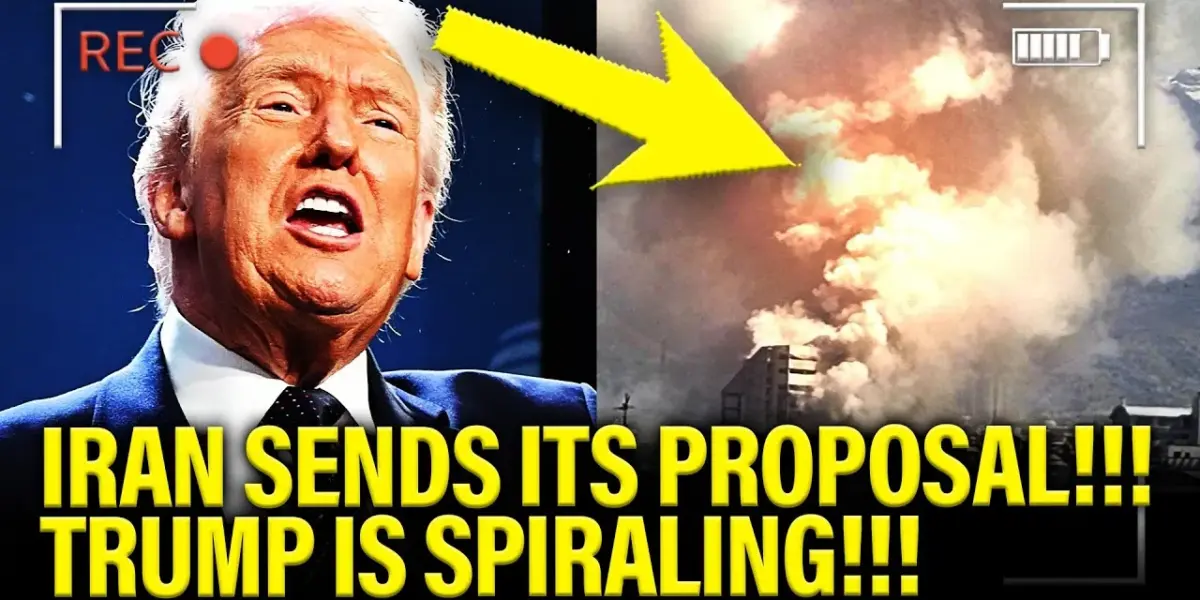
Trump’s Iran Threats Spark War Crimes Fears
Tensions between the United States and Iran have reached a critical point, with former President Donald Trump issuing extreme threats that have raised alarms about potential war crimes and even nuclear escalation. His recent social media posts have been interpreted by many as direct threats to obliterate Iranian civilization, leading to a complete breakdown in communication between the two nations.
A Civilization Under Threat
In a series of alarming statements, Trump declared that a “whole civilization will die tonight, never to be brought back again,” unless Iran agreed to negotiate. He followed this with a contradictory message, saying, “God bless the great people of Iran.” This stark contrast has been widely criticized, with many viewing his threats as an endorsement of genocide and war crimes.
Following these pronouncements, Iran officially cut off all communication with the U.S., even through intermediaries like Pakistan. This move came as the U.S. and Israel conducted significant strikes on Iranian targets, including railway lines and infrastructure on Kargar Island, a major oil export hub. Iran’s President Ebrahim Raisi responded by stating that over 14 million Iranians were ready to sacrifice their lives for their country.
Calls for Intervention
The extreme nature of Trump’s language has prompted significant backlash, even from some of his former supporters. Figures like Marjorie Taylor Greene and Alex Jones have publicly called for the invocation of the 25th Amendment, which would remove a president from office if deemed unfit. Many believe that Trump’s actions constitute a severe threat to national and international security, suggesting that military leaders have an obligation to deem his potential orders illegal.
Iran’s Retaliation Warnings
Iran has warned of severe consequences if the U.S. proceeds with further attacks. Iranian sources have indicated that if U.S. forces attack Iran’s power plants, the entire Middle East could be plunged into darkness. They have also threatened to coordinate with Houthi rebels to shut down the Bab el-Mandeb strait in the Red Sea, a crucial shipping lane. These threats were reportedly relayed to the Trump administration through Pakistan and Qatar.
Historical Context and Escalation
The current situation is a significant escalation in a long-standing conflict. The U.S. has been involved in a military buildup in the region, citing Iranian threats. However, Trump’s rhetoric has moved beyond traditional military posturing into language that many experts consider to be direct threats of mass destruction. The transcript highlights the sole authority a U.S. president holds over nuclear launch orders, emphasizing the potential for a dangerous and impulsive decision.
“A whole civilization will die tonight, never to be brought back again. I don’t want that to happen, but it probably will.” – Donald Trump
Why This Matters
The extreme rhetoric and actions surrounding this conflict carry immense weight. The potential for miscalculation or escalation is dangerously high. Trump’s threats of obliterating an entire civilization, coupled with Iran’s retaliatory warnings about regional destabilization and attacks on global energy infrastructure, paint a grim picture. The breakdown of diplomatic channels, even through intermediaries, leaves little room for de-escalation. This situation underscores the critical need for clear communication, adherence to international law, and the prevention of actions that could lead to widespread humanitarian disaster or even global conflict.
Implications and Future Outlook
The immediate future hinges on whether de-escalation is possible. If diplomatic channels remain severed and military actions continue, the region could face devastating consequences. The involvement of U.S. and Israeli forces, combined with Iran’s threats, creates a volatile environment. The international community is watching closely, with many expressing deep concern over the potential for a catastrophic conflict. The possibility of a president acting unilaterally in a nuclear capacity remains a chilling prospect, highlighting the fragility of global security.
Distraction and Political Maneuvering
The transcript also touches upon a seemingly unrelated but significant political development: JD Vance’s activities in Hungary. Vance’s comments supporting Hungarian Prime Minister Viktor Orbán and echoing Russian talking points about election interference from Ukraine and the European Union have drawn criticism. This suggests a potential broader geopolitical strategy involving the U.S., Hungary, and Russia, aimed at undermining the European Union and NATO. The timing of these comments, occurring while tensions with Iran are at their peak, raises questions about potential distractions or coordinated messaging in international affairs.
Source: Trump PANICS at WORST MOMENT IN WAR!! (YouTube)

Related Articles

Iran Uses Civilians as Shields Amidst Escalating Tensions
Iran has reportedly deployed civilians as human shields around power plants and bridges amidst escalating tensions and collapsing diplomatic talks. This tactic aims to deter potential attacks by creating a moral dilemma, while official statements deny the use of nuclear weapons. The situation highlights a disturbing trend in modern warfare.

Trump Threatens Iran With ‘Demolition’ Amid Impeachment Talk
President Trump issued a stark warning to Iran, threatening widespread demolition of its infrastructure if a deal isn't reached. Meanwhile, domestic politics heat up as an Arizona Democrat plans to introduce articles of impeachment against Secretary of War Pete Hegseth, though success is unlikely in the current political climate.
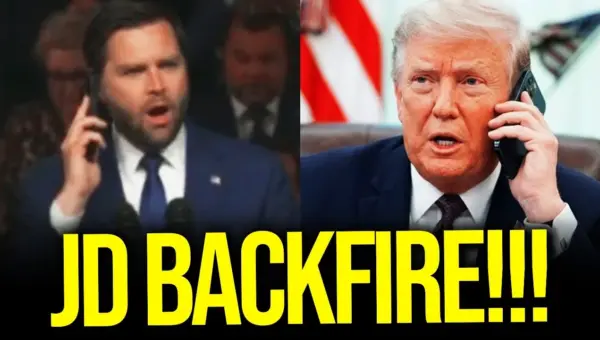
Trump’s Cold Shoulder: Vance Stumbles on Global Stage
Senator JD Vance faced public embarrassment during a trip to Hungary, appearing uninformed on U.S. actions against Iran and unable to reach Donald Trump by phone. The incident highlights communication breakdowns and raises questions about Vance's diplomatic effectiveness.