Trump’s Cold Shoulder: Vance Stumbles on Global Stage
Senator JD Vance faced public embarrassment during a trip to Hungary, appearing uninformed on U.S. actions against Iran and unable to reach Donald Trump by phone. The incident highlights communication breakdowns and raises questions about Vance's diplomatic effectiveness.

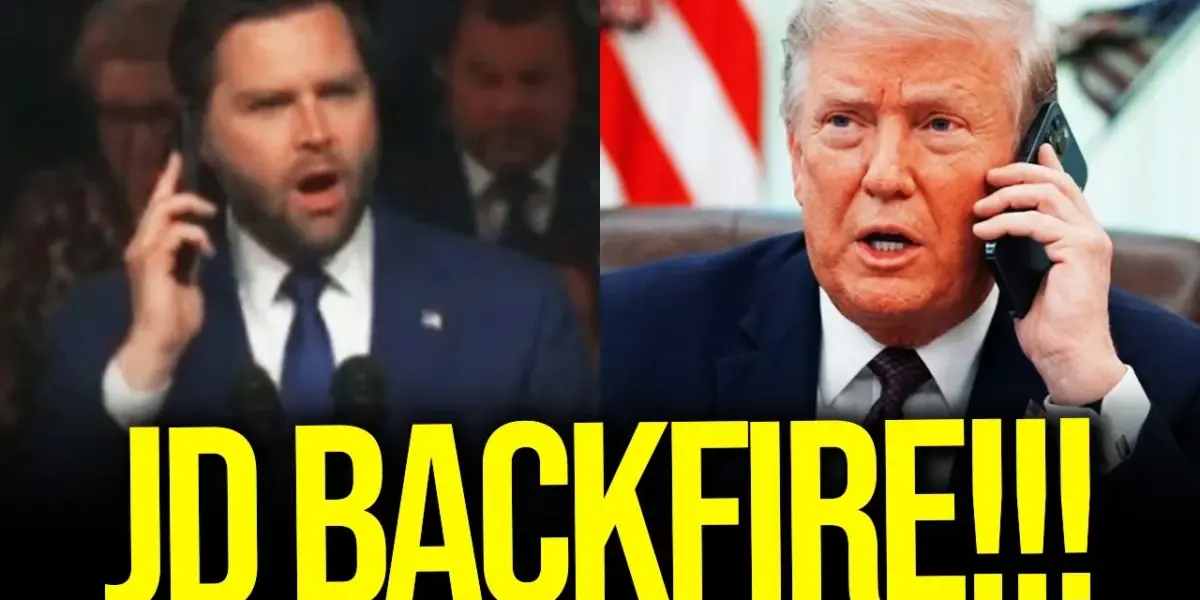
Trump’s Cold Shoulder: Vance Stumbles on Global Stage
Senator JD Vance recently found himself in a deeply awkward situation while representing the United States on an international trip. His visit to Hungary, meant to strengthen ties, took a sharp turn when he appeared out of the loop on critical U.S. actions and even faced the public embarrassment of former President Donald Trump not answering his calls. This series of events highlights a concerning lack of coordination and raises questions about Vance’s standing within the former president’s circle.
A Diplomatic Mission Gone Awry
Vance was in Hungary, speaking alongside Prime Minister Viktor Orbán, a leader known for his country’s shift towards what many call “illiberal democracy.” This choice of venue itself drew criticism, as Orbán has been accused of weakening democratic institutions, including the courts and the free press. Vance’s appearance alongside Orbán, while the U.S. was reportedly preparing for significant actions against Iran, struck many as tone-deaf.
Adding to the discomfort, Vance appeared to echo concerns about Iran’s actions, suggesting that the U.S. had “tools in our toolkit that we so far haven’t decided to use.” This statement was interpreted by some as an implicit threat of nuclear action, a stark contrast to the diplomatic language expected from a U.S. senator. The context of these remarks was made even more sensitive by reports that the Trump administration itself had threatened to bomb civilian infrastructure in Iran, a move that undermines any claim to a moral high ground.
Uninformed and Unanswered
The situation grew more precarious when Vance seemed unaware of developing events. During a press conference, a reporter informed him about ongoing U.S. strikes in Iran, a detail he had apparently not yet received. He fumbled with his phone, admitting he needed to check for messages, a moment that underscored a significant communication breakdown. This lack of real-time information is particularly concerning given the serious geopolitical tensions at play.
The embarrassment continued when Vance attempted to connect with Donald Trump during his speech. He announced he had a “special guest” he wanted to introduce via a phone call, hoping Trump would answer. The attempt was met with silence, followed by the automated message that Trump’s voicemail box was not set up. This public rejection, especially when contrasted with Trump’s reportedly quicker responses to other political figures, suggests a potential cooling of the relationship between the two.
Vance’s Political Tightrope
Vance’s speech itself, delivered to a Hungarian audience, leaned heavily into conservative rhetoric. He urged the crowd to support Orbán’s reelection, framing the choice as one between “tyranny” and a “real leader.” This intervention in a foreign election is unusual for American politicians and further blurred the lines of diplomatic protocol.
The senator also spoke about defending life and fighting censorship, yet critics pointed out the irony of these statements coming from someone who had seemingly defended Trump’s earlier threats against Iran. The disconnect between Vance’s public pronouncements and the unfolding events, coupled with his apparent lack of direct communication with key figures, paints a picture of a politician struggling to navigate complex foreign policy and his own political positioning.
Why This Matters
This incident is more than just an embarrassing moment for JD Vance. It raises serious questions about the competence and coordination within certain political factions in the United States. When a senator representing the country abroad is not fully briefed on critical military actions or cannot even reach a former president, it signals a potential breakdown in essential communication channels.
Furthermore, Vance’s alignment with figures like Viktor Orbán, who has steered Hungary away from traditional democratic norms, is a point of concern for those who champion liberal democracy. His willingness to embrace such leaders while simultaneously criticizing perceived enemies abroad highlights a complex and perhaps contradictory foreign policy stance.
Historical Context and Future Outlook
Historically, American politicians abroad have strived to present a united front, even when representing different parties or factions. The ability to communicate effectively and maintain a degree of coordination is crucial for projecting strength and stability on the global stage. The events surrounding Vance’s trip suggest a departure from this norm, potentially driven by internal political dynamics.
The future outlook for Vance’s role in foreign policy remains uncertain. His ability to gain the confidence and consistent communication of key figures, including Donald Trump, will be critical. His continued embrace of leaders like Orbán will also likely draw further scrutiny from international observers and domestic critics alike. As geopolitical tensions continue to rise, the need for clear, coordinated, and informed diplomacy becomes ever more paramount.
Source: Trump Humiliates JD Vance on Global Stage (YouTube)

Related Articles
Trump’s Iran Threats Spark War Crimes Fears
Former President Donald Trump's extreme threats against Iran have led to a communication blackout and fears of war crimes. Iran has warned of severe regional retaliation if attacked, while international figures call for Trump's removal from office.

Trump Threatens Iran With ‘Demolition’ Amid Impeachment Talk
President Trump issued a stark warning to Iran, threatening widespread demolition of its infrastructure if a deal isn't reached. Meanwhile, domestic politics heat up as an Arizona Democrat plans to introduce articles of impeachment against Secretary of War Pete Hegseth, though success is unlikely in the current political climate.
Trump’s ‘Civilization Dies’ Threat Sparks War Crime Fears
Former President Donald Trump's social media threat that "a whole civilization will die tonight" has sparked international outcry, with experts warning of potential war crimes. Analysts question the feasibility of such an attack and its devastating implications for regional stability and international law.