Trump’s Quiet Purge: Why He’s Firing Staff Strategically
Donald Trump's administration is reportedly moving away from large-scale firings towards a more strategic "slow churn" of staff. This approach aims to manage public perception and avoid the appearance of chaos, while potentially capitalizing on public dislike for certain officials.

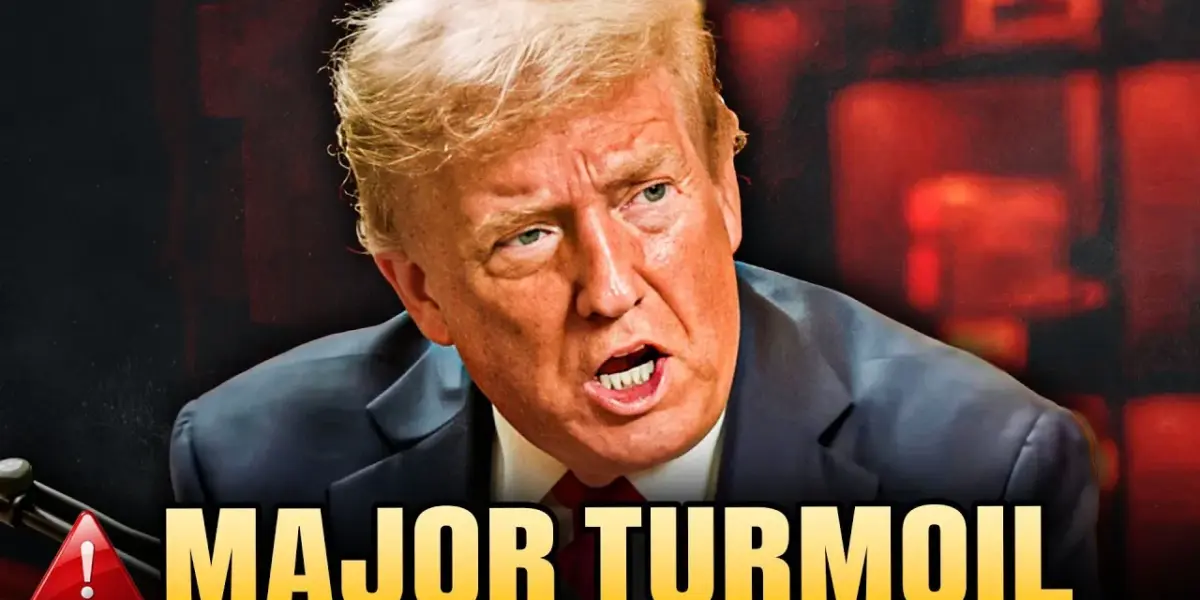
Trump’s Quiet Purge: Why He’s Firing Staff Strategically
Recent events suggest a shift in how Donald Trump handles personnel changes. While past actions might have seemed like a chaotic “slash and burn” approach, current signs point to a more calculated strategy. This isn’t about a massive, sudden clear-out; instead, it appears to be a deliberate, slower process designed to avoid the appearance of disarray.
Pam Bondi’s departure from the administration last week, followed by Christy Dome’s exit a few weeks prior, are examples of these changes. Both were reportedly offered new roles, though the specifics of these positions remain unclear. However, sources within the Trump administration indicate that these are not isolated incidents. More cabinet officials are reportedly being considered for removal.
The Strategy Behind the Slow Burn
Insiders suggest that Trump understands the negative publicity that can arise from widespread firings. A sudden, large-scale dismissal can create an image of chaos and instability. To counter this, the current approach is described as a “slow churn.” This method aims to present an image of a calm and collected administration, even if the reality behind the scenes is different.
This contrasts with Trump’s first term, which was often characterized by frequent and sometimes abrupt dismissals. At that time, the public perception was often one of constant upheaval. Now, it seems there’s a conscious effort to manage public perception more carefully. The goal is to avoid the bad press that accompanied those earlier, more public firings.
Fulfilling Public Discontent?
An interesting observation is that Trump appears to be capitalizing on public dissatisfaction with certain figures. The firings of Christy Dome and Pam Bondi, for instance, were reportedly met with public approval. This suggests a realization that removing individuals widely disliked by the public can actually boost his own standing. It’s a strategic move that seemingly aligns his actions with public sentiment.
The public would be celebrating if you canned him.
This sentiment highlights a potential underlying motivation: by removing unpopular figures, Trump might believe he is gaining favor. The idea is that if the public dislikes someone, their removal is a positive event that reflects well on the person doing the firing. This is a common tactic in politics, where visible actions can be used to win popular support.
The Tulsi Gabbard Indicator
The case of Tulsi Gabbard offers a specific example of this perceived strategy. Reports suggest she is high on the list for potential dismissal. Adding to this speculation, a White House spokesperson stated that Gabbard has the “full confidence of the president.” This phrase has a historical precedent within the Trump administration.
In the past, when Trump or his team publicly declared full confidence in an individual, it often preceded that person’s firing within a short period. This has led to the phrase being interpreted as a subtle signal – a “kiss of death,” as some might say. When such statements are made, it can be a sign that the individual should prepare for their departure.
Howard Lutnick is another name mentioned as a potential candidate for dismissal. His name has reportedly appeared in connection with the Jeffrey Epstein files. The implication is that his continued presence in the administration, along with Trump’s own name appearing in those same files, might contribute to a desire to keep certain individuals close, perhaps for shared experiences or mutual understanding.
Why This Matters
This strategic approach to personnel changes is important for several reasons. Firstly, it shows a learning curve in managing public relations. Trump’s administration seems to be adapting its methods to gain better public perception, moving away from the perception of constant chaos. Secondly, it highlights the political calculus involved in staffing decisions. It’s not just about who is qualified, but also about who is popular, or unpopular, with the public.
The “slow churn” method also impacts the stability and morale within the administration. While it might avoid public outcry, constant uncertainty about job security can still create internal stress. For those watching from the outside, it signals that personnel decisions are being made with an eye on both internal dynamics and external image.
Implications and Future Outlook
The trend of calculated firings suggests that future staffing changes within the Trump administration may continue to be managed with an emphasis on public perception. This could mean fewer surprise, large-scale dismissals and more gradual, seemingly less disruptive removals. The focus on firing unpopular figures might also continue, as it appears to be a politically advantageous move.
This approach could lead to a more stable public image for the administration, potentially masking internal turbulence. It also means that public opinion and media narratives will likely play an even larger role in shaping who stays and who goes. The use of coded language, like the “full confidence” statement, could become a more common way to signal impending changes.
Historical Context
The history of presidential administrations is filled with examples of significant staff turnover. However, the Trump administration has been notable for its high rate of dismissals and resignations, particularly during its first term. This period was often characterized by intense media scrutiny and public debate over the stability of the White House.
The current reported strategy represents a departure from that earlier approach. It suggests an evolution in how personnel matters are handled, influenced by lessons learned about public perception and political strategy. The goal appears to be achieving desired outcomes without generating the same level of negative attention.
Source: Trump Preparing For A MASSIVE Firing Frenzy (YouTube)

Related Articles


Trump Ditches Vance’s Call, Shows Favor for Rubio
Senator JD Vance's live rally call to Donald Trump went unanswered, leading to an awkward voicemail. The incident suggests a potential cooling of relations between Vance and Trump, with a perceived favoritism towards Senator Marco Rubio.
Trump’s Iran Threats Spark War Crimes Fears
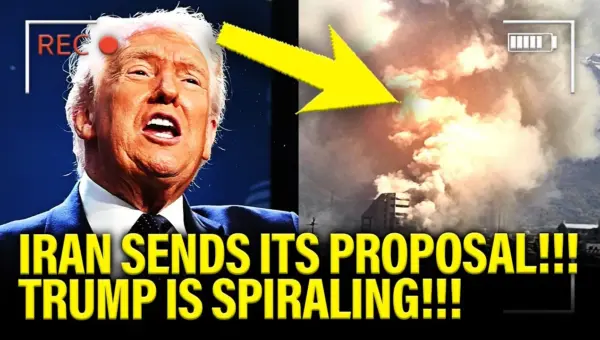
Former President Donald Trump's extreme threats against Iran have led to a communication blackout and fears of war crimes. Iran has warned of severe regional retaliation if attacked, while international figures call for Trump's removal from office.

Trump Threatens Iran With ‘Demolition’ Amid Impeachment Talk
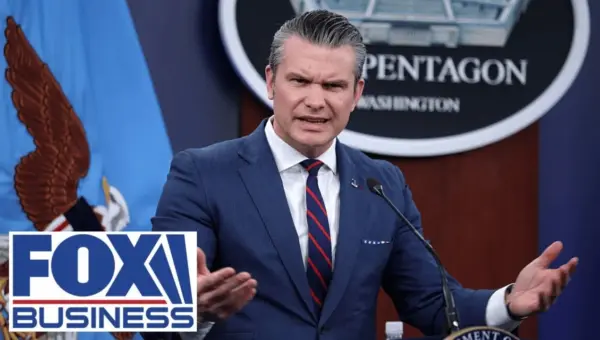
President Trump issued a stark warning to Iran, threatening widespread demolition of its infrastructure if a deal isn't reached. Meanwhile, domestic politics heat up as an Arizona Democrat plans to introduce articles of impeachment against Secretary of War Pete Hegseth, though success is unlikely in the current political climate.