Trump’s Civilization Threat Sparks Global Alarm
President Trump's stark warning of "civilizational destruction" in Iran has ignited global concern, raising questions about diplomatic norms and the potential for wider conflict. As communications break down and military actions escalate, the world watches anxiously for de-escalation or further confrontation.

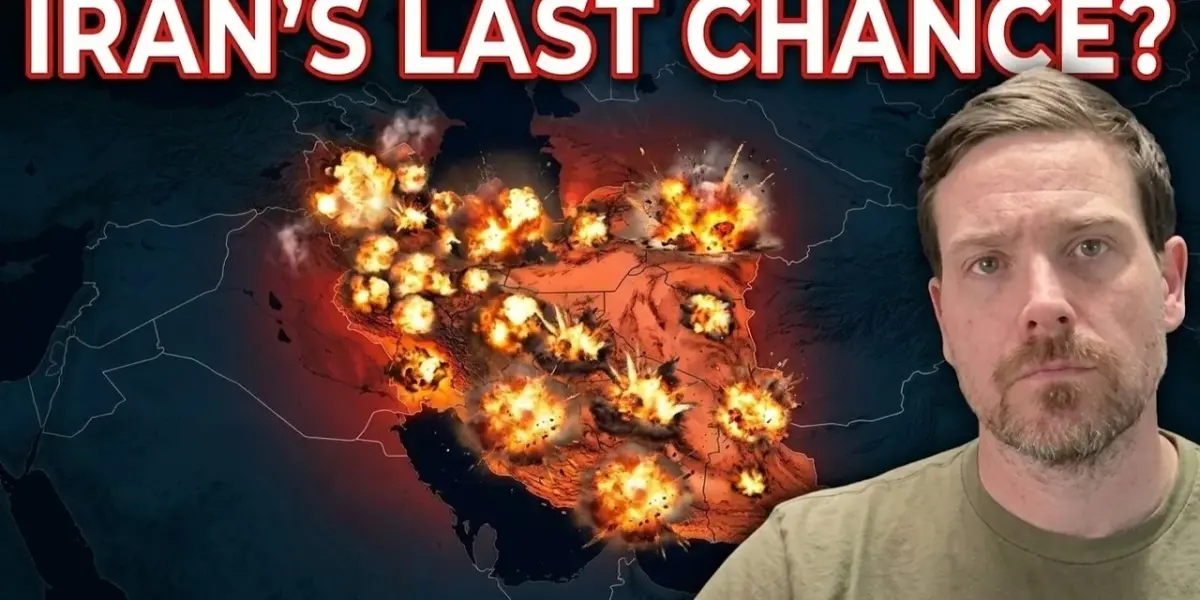
Trump’s Civilization Threat Sparks Global Alarm
President Trump recently made a startling statement, warning that an entire civilization could be destroyed within hours. He stated, “A whole civilization will die tonight, never to be brought back again. I don’t want that to happen, but it probably will.” These words, delivered in a context of escalating tensions with Iran, have raised serious concerns worldwide.
The president’s language has been met with strong criticism. Many argue that using terms like “civilization” is unacceptable, especially when referring to a potential military action. They point out that the president could have specified targets like the Islamic Revolutionary Guard Corps (IRGC) or the regime itself. Instead, the choice of words seems to include innocent civilians, which many find morally and ethically wrong.
Historical Context and Escalation
This situation did not arise overnight. For 47 years, Iran has been involved in actions described as extortion, corruption, and death. The current tensions have been building, with Iran previously issuing warnings about retaliating beyond the region if its “red lines” are crossed. This suggests a cycle of escalation where actions by the United States and Israel could lead to wider conflict.
The use of strong rhetoric is not new in international relations. However, when a leader of a nuclear-armed country uses language that could be interpreted as a call for genocide, it is particularly alarming. Experts in genocide studies often focus on intent, and such statements could be seen as demonstrating that intent. This level of rhetoric is typically associated with terrorist organizations, not world leaders.
Diplomatic Breakdown and Peace Proposals
Following President Trump’s threat, Iran has reportedly cut off all communications with the United States. This diplomatic breakdown is a significant development, making peaceful resolution even more challenging. Adding to the complexity, Iran has presented a 10-point peace proposal. This plan includes demands such as an end to all attacks on Iran and its allies, a permanent end to the war, and the lifting of all American sanctions.
However, the proposal also includes elements like ending Israeli strikes against Hezbollah and establishing rules for passage through the Strait of Hormuz, with Iran charging a fee. Many observers view these demands as maximalist, meaning they are unlikely to be accepted by the United States and Israel. The proposal does not seem to address concerns about Iran’s missile program or its support for proxy groups, which are key issues for the US.
The Nuance of Warfare
The conflict also involves discussions about what constitutes legitimate military targets. While bridges, power plants, and rail lines can be legally targeted under the laws of armed conflict, there are strict rules about proportionality. This means that the military advantage gained must outweigh the potential harm to civilians. Blanket targeting of all infrastructure is generally not permitted.
Reports indicate that both the US and Israel have been striking various targets in Iran, including rail lines and bridges. Iran has responded by hitting industrial sites in Saudi Arabia. The use of “human shields,” with civilians reportedly placed around potential targets, further complicates the situation, raising concerns about civilian safety and the potential for a wider, more devastating conflict.
Why This Matters
The rhetoric used by President Trump, suggesting the potential destruction of an entire civilization, is deeply troubling. It moves beyond standard diplomatic language and enters territory that many consider morally reprehensible. The lack of clear communication and the escalating military actions point towards a dangerous path. If diplomatic channels are closed and military actions intensify, the region could face a conflict with devastating consequences.
The international community watches with concern as these events unfold. The standards of conduct for global leaders are crucial. When those standards appear to be lowered, it can embolden aggressive behavior and undermine efforts towards peace and stability. The situation highlights the delicate balance of power in the Middle East and the profound impact of presidential rhetoric on international relations.
Future Outlook
The coming hours and days are critical. There is a possibility that President Trump might extend the deadline, hoping for progress. Alternatively, a significant bombardment campaign could be launched, described as unlike anything seen before. The outcome will depend on whether communication can be re-established and if a de-escalation can be achieved. The world hopes for a peaceful resolution, but the current trajectory suggests a period of intense uncertainty and potential conflict.
Source: Trump Just Warned Iran of Civilizational Destruction Tonight (YouTube)

Related Articles

Trump’s ‘Civilization Dies’ Threat Sparks War Crime Fears
Former President Donald Trump's social media threat that "a whole civilization will die tonight" has sparked international outcry, with experts warning of potential war crimes. Analysts question the feasibility of such an attack and its devastating implications for regional stability and international law.


Moon Mission Sparks New Space Race Era
The Artemis II mission's return from the Moon marks a new era in space exploration, potentially sparking a modern space race. The mission provided new scientific data and breathtaking views, while also highlighting the inherent risks of deep space travel. This renewed focus on lunar exploration has significant geopolitical and economic implications for global powers.
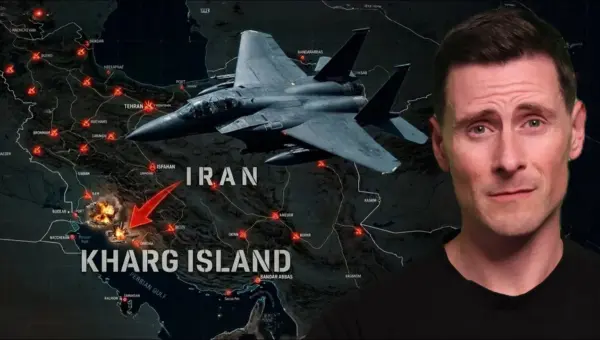
US Strikes Iran’s K Island, Targeting IRGC Hub
U.S. forces launched precise strikes on Iran's K Island, a key IRGC naval and logistics hub. The operation targeted military infrastructure, avoiding oil terminals, in an effort to degrade Iran's threat to maritime shipping in the Straits of Hormuz. The move signals a significant escalation amid heightened regional tensions.