US Strikes Iran’s K Island, Targeting IRGC Hub
U.S. forces launched precise strikes on Iran's K Island, a key IRGC naval and logistics hub. The operation targeted military infrastructure, avoiding oil terminals, in an effort to degrade Iran's threat to maritime shipping in the Straits of Hormuz. The move signals a significant escalation amid heightened regional tensions.

US Strikes Iran’s K Island, Targeting IRGC Hub
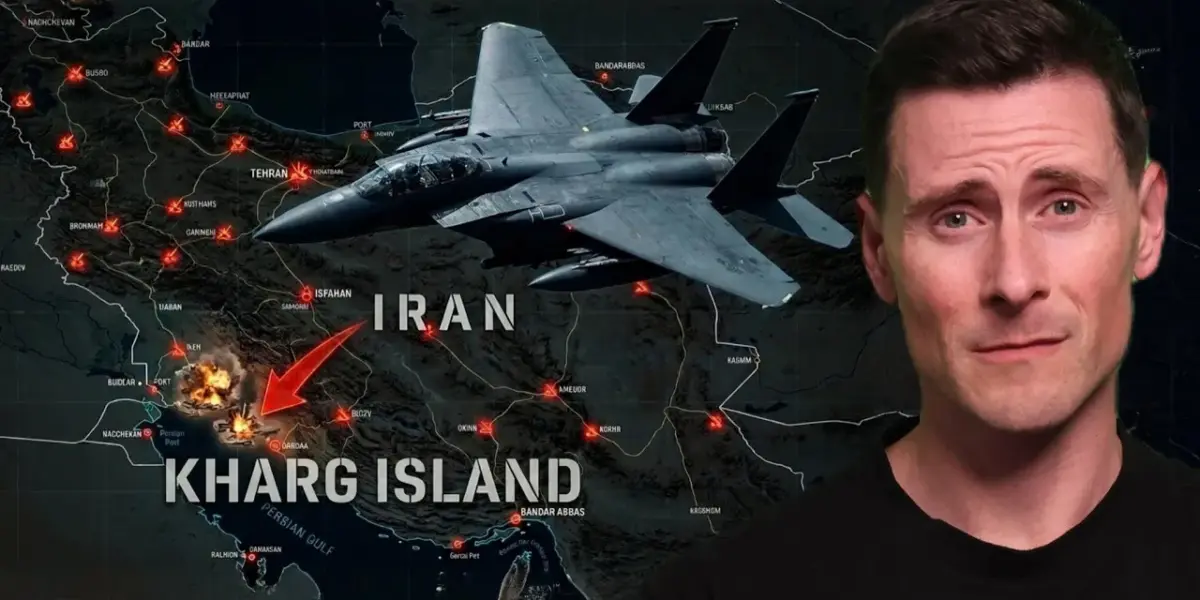
In a significant escalation of military operations, U.S. forces conducted precise strikes against key military targets on Iran’s K Island. The operation, codenamed “Operation Epic Fury,” marks a critical development in the ongoing tension surrounding the Straits of Hormuz. The strikes specifically targeted the Islamic Revolutionary Guard Corps’s (IRGC) primary naval logistics and oil hub, hitting IRGC bunkers, radar stations, missile and mine storage facilities, and air defenses.
Commanders deliberately avoided Iran’s oil export terminals and civilian energy assets. This decision aims to keep the focus squarely on degrading the IRGC’s military capabilities. The F-15E Strike Eagle, a highly capable twin-seat, all-weather fighter jet, is believed to have led the assault. Its advanced avionics and targeting pods allow it to carry a substantial payload of precision-guided munitions, enabling accurate strikes even in contested airspace.
Strategic Context on K Island
K Island, located off the coast of Iran in the Persian Gulf, plays a crucial role in Iran’s strategic posture. It serves as a vital hub for the IRGC’s naval operations and is a significant point for Iran’s oil exports. The island’s geography makes it a strategic asset, controlling access to the critical choke point of the Straits of Hormuz.
The recent strikes appear designed to disrupt the IRGC’s command and control (C2) capabilities. Effective C2 is essential for coordinating naval movements, targeting vessels, and directing drone operations. By degrading these nerve centers on K Island, the U.S. aims to weaken Iran’s ability to threaten international shipping.
IRGC Response and Rhetoric
In response to the U.S. strikes, the IRGC and the Iranian regime have intensified their rhetoric. They have reportedly called on civilians, including children and students, to form human chains around power plants and bridges. This tactic is seen as a desperate attempt to use human shields to deter further strikes on critical infrastructure.
Iran’s state media has acknowledged the strikes but claims minimal damage. However, reports suggest that the IRGC presence on the island may have been significantly degraded. Iran has also threatened to strike the infrastructure of U.S. partners in the Persian Gulf if Iran’s own infrastructure is targeted.
Broader Implications and Potential Escalation
The U.S. strikes on K Island are part of a broader strategy to counter Iran’s disruptive actions in the Straits of Hormuz, which account for roughly one-fifth of the world’s oil supply. The decision to target military infrastructure, rather than energy exports, signals a measured approach aimed at pressuring the regime without causing immediate global economic fallout.
President Trump, in a statement on social media, indicated a potential wider crackdown on Iran’s power plants and bridges. He suggested that such actions could be completed within hours, aiming to cripple the regime’s capabilities. However, he framed the operation not as a conquest but as a necessary measure for maritime security and the unimpeded flow of global trade through the vital waterway.
Tactical Concepts and Weapon Systems
The operation highlights the utilization of advanced U.S. air power. Beyond the F-15E Strike Eagle, bombers like the B-1 Lancer and B-52 Stratofortress are also mentioned as potential assets. The B-1’s supersonic capability and the B-52’s ability to employ standoff weapons, such as cruise missiles, offer flexibility in striking targets while minimizing risk.
The transcript also touches upon Iran’s developing targeting capabilities, possibly incorporating updated electro-optical cameras from foreign sources. This underscores the dynamic nature of modern warfare, where advancements in sensors and targeting systems play a crucial role.
Geopolitical Ramifications
The situation carries significant geopolitical weight. By threatening critical Iranian infrastructure, the U.S. aims to pressure Iran into de-escalating its actions and potentially engaging in meaningful negotiations. The mention of fractures within the Iranian regime suggests internal divisions that could be exploited.
The strategic objective appears to be degrading the IRGC’s ability to control the Straits of Hormuz, thereby safeguarding global maritime security. This aligns with broader U.S. foreign policy goals of ensuring stable energy markets and international trade routes. The potential for Iran to retaliate against regional partners remains a significant concern, highlighting the delicate balance of power in the Persian Gulf.
Historical Parallels
The current situation echoes historical instances where control over vital waterways has been a central point of conflict. The strategic importance of the Straits of Hormuz, a natural choke point, has historically made it a focal point for regional powers seeking to project influence and control global energy flows. The U.S. strategy of measured strikes to degrade an adversary’s capabilities while offering diplomatic offramps is a recurring theme in modern military doctrine, drawing from principles outlined in works like Sun Tzu’s “The Art of War.”
What This Means on the Ground
The strikes on K Island represent a significant blow to the IRGC’s operational capacity in the Persian Gulf. By targeting logistics, naval infrastructure, and command centers, the U.S. is actively working to neutralize Iran’s ability to threaten shipping. The deliberate avoidance of civilian infrastructure aims to limit collateral damage and maintain a degree of international support.
However, the situation remains volatile. Iran’s rhetoric and its calls for human shields suggest a willingness to escalate. The potential for wider strikes on Iranian infrastructure, including power plants and bridges, could have significant consequences for the Iranian population, though the stated intent is to target the IRGC’s war machine. The ongoing operations underscore the U.S. commitment to maintaining freedom of navigation in critical global waterways.
Source: U.S. Military Striking Iran’s Bridges and Power Plants Is Worse Than You Think (YouTube)

Related Articles

Trump’s ‘Civilization Dies’ Threat Sparks War Crime Fears
Former President Donald Trump's social media threat that "a whole civilization will die tonight" has sparked international outcry, with experts warning of potential war crimes. Analysts question the feasibility of such an attack and its devastating implications for regional stability and international law.

Trump’s Civilization Threat Sparks Global Alarm
President Trump's stark warning of "civilizational destruction" in Iran has ignited global concern, raising questions about diplomatic norms and the potential for wider conflict. As communications break down and military actions escalate, the world watches anxiously for de-escalation or further confrontation.


Iran Strikes Saudi Oil Hub, Threatening Global Energy
Iran's successful ballistic missile strike on Saudi Arabia's Jubail petrochemical complex exposes the vulnerability of global energy supplies. The attack threatens millions of barrels of oil and refined products, potentially causing price spikes and economic instability worldwide. This escalation signals a dangerous new phase in regional power dynamics.