Nuclear Threats Loom: US-Iran Conflict Risks Global Catastrophe
Renewed discussions about nuclear options and escalating rhetoric between the US and Iran signal a dangerous path. Experts warn of potential global catastrophe as military strategies and diplomatic efforts falter, leaving the world in a precarious state.

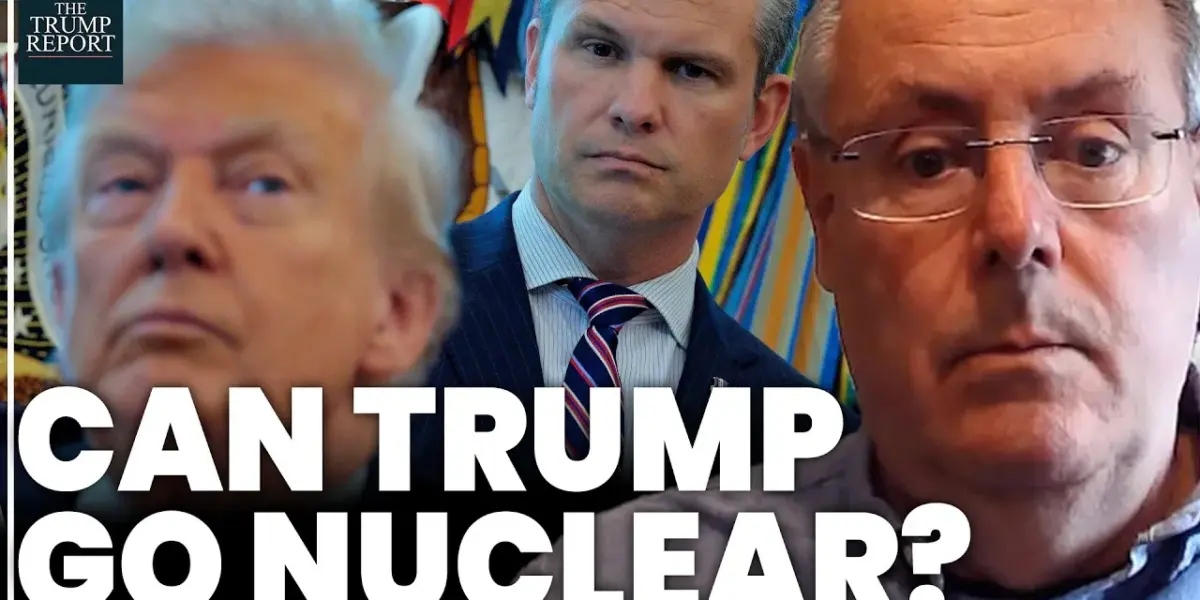
US-Iran Tensions Escalate Amidst Nuclear Rhetoric
The ongoing conflict between the United States and Iran is raising serious global concerns, particularly as discussions around nuclear options resurface. Experts suggest that past considerations of nuclear use by the US military mean such plans might be revisited. This situation is not about crying wolf, but a realistic assessment of past military planning.
Deadlines and Diplomatic Stalemates
Former President Donald Trump has set new deadlines for Iran, but experts question their effectiveness. Announcing military actions in advance can alert the target, removing the element of surprise. This approach allows Iran to prepare, potentially undermining the intended military impact.
Furthermore, threats to destroy large parts of Iran’s infrastructure could be viewed as criminal acts. Such actions might alienate the international community and push them closer to Iran, a scenario Washington wishes to avoid.
The Strait of Hormuz and Global Oil Supplies
The conflict’s impact on the Strait of Hormuz, a vital shipping route, is a major concern. Retaliation and attacks on the region’s oil industry could severely disrupt global refined oil and gas supplies. The damage to production and refining capabilities might make returning to pre-conflict levels difficult, even after fighting stops.
Iran’s Global Network of Influence
Despite efforts to degrade Iran’s militant cells, the threat of their activation remains. Iran has a significant diaspora and international sympathizers. Increased global resentment towards actions by the US and Israel could motivate some individuals to act.
The downing of an American aircraft, while a military setback for the US, highlights the complexities of air superiority. While the US maintains air dominance, operating in urban areas or populated regions presents different challenges, as seen in past conflicts.
The Political Fallout of Casualties
The potential capture or death of a US pilot could have significant political consequences, especially for a leader who campaigned on ending “endless foreign wars.” Even a few American prisoners could drastically alter the strategic calculus.
Nuclear Weapons: A Legal Gray Area?
While former President Trump has suggested that Iran possessing nuclear weapons would be a war crime, international law does not currently classify nuclear arms possession as illegal. Several nations possess nuclear weapons, though they are legally obligated to negotiate disarmament.
‘Smart Bomb’ Warfare and its Implications
The development of accurate weaponry, often termed “smart bombs,” has influenced the willingness of global powers to engage in conflict from a distance. This approach, reminiscent of historical “policing the empire” tactics, offers a sense of reduced political cost for the aggressor. However, it is no substitute for political solutions.
A World Without Arms Control
For the first time since the Cuban Missile Crisis, the world lacks substantial arms control agreements. The dismantling of treaties on chemical weapons, nuclear reductions, and conventional arms has created a more dangerous environment. Experts argue that negotiating with powerful states like Russia and China was possible in the past, and similar political will could achieve progress today.
Gulf Allies and Strategic Dilemmas
US allies in the Gulf, such as the UAE and Saudi Arabia, face difficult choices. While they desire open shipping lanes, their own actions and human rights records complicate their role as peace brokers. Iran’s strengthened position in the Gulf presents a significant challenge, potentially requiring substantial back-channel negotiations or even large financial incentives.
NATO Allies and Shifting Alliances
The potential loss of access to NATO bases, like those in the UK, presents a strategic challenge for the US military. While the US possesses significant logistical capabilities, losing key international staging points would require complex workarounds and could have political repercussions.
Finding a Path Out of Conflict
Despite the intense military posturing, a diplomatic path out of the conflict remains theoretically possible. However, the current mindset on all sides appears geared towards war, with leaders focused on military objectives rather than de-escalation. The repeated cycle of targeting Iranian leadership, only to see new figures emerge, suggests that a purely military solution is unlikely.
The Role of the United Nations
While often dismissed, the United Nations could play a crucial role in fostering a peaceful resolution. The Security Council is set to discuss the opening of the Strait of Hormuz, and diplomatic backrooms can be sites for serious negotiations. Historically, the UN has navigated numerous crises and remains a vital hope for global peace.
Why This Matters
The escalating tensions between the US and Iran, coupled with the looming threat of nuclear considerations, place the world on a precarious edge. The potential disruption to global oil supplies, the destabilization of a critical region, and the erosion of international arms control agreements all point to a future fraught with uncertainty. The reliance on technologically advanced, yet potentially devastating, warfare raises questions about the long-term consequences and the true definition of victory. Without a renewed commitment to diplomacy and international cooperation, the current path could lead to widespread conflict with catastrophic implications.
Implications, Trends, and Future Outlook
The current geopolitical climate suggests a trend towards increased military posturing and a decline in diplomatic engagement. The effectiveness of sanctions and targeted strikes is being questioned, as Iran continues to adapt and maintain its regional influence. The future outlook is one of heightened risk, with the potential for miscalculation or escalation leading to wider conflict. The erosion of arms control treaties further exacerbates this trend, creating a more volatile international landscape.
Historical Context and Background
The history of US-Iran relations is marked by decades of tension, including the 1979 hostage crisis and subsequent diplomatic standoffs. Past US administrations have considered extreme military options, including nuclear weapons, during regional conflicts, such as the lead-up to the Gulf War. This historical context underscores the gravity of current discussions and the potential for past strategies to be reconsidered in times of heightened crisis.
Source: Hegseth will be 'prepared to consider' nuclear option as Trump warns 'civilization will die' in Iran (YouTube)

Related Articles
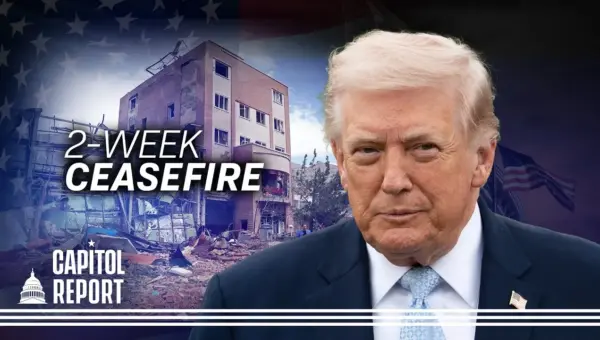
Trump Halts Iran Attacks, Seeks Peace Deal
President Trump has agreed to a two-week suspension of attacks on Iran, contingent on Iran reopening the Strait of Hormuz. This move comes as the U.S. reports progress on a peace proposal and highlights the Iranian people's desire for freedom.
US-Iran Ceasefire Holds Amid Tensions, Strait of Hormuz Key
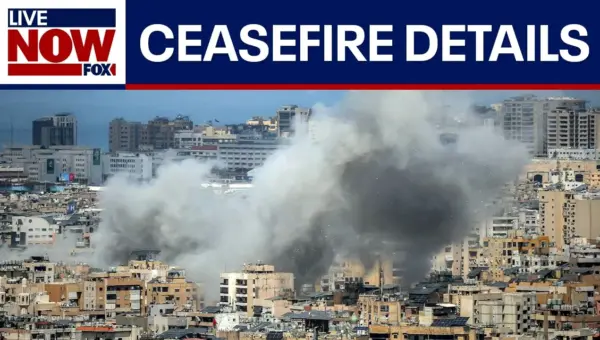
The US and Iran have agreed to a two-week ceasefire, brokered by Pakistan, with the crucial condition that Iran reopens the Strait of Hormuz. This development impacts global oil and gas supplies, as well as food security through fertilizer transport. However, concerns remain about potential Iranian mobilization and compliance, particularly following reports of post-ceasefire missile launches.

US, Iran Agree to 2-Week Ceasefire Centered on Strait of Hormuz
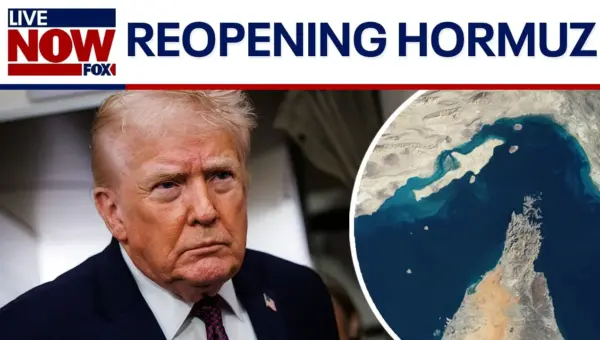
The U.S. and Iran have agreed to a two-week ceasefire, brokered by Pakistan, focusing on reopening the Strait of Hormuz. While a significant development, the deal's terms are complex and its fragility is a major concern due to the numerous actors involved.